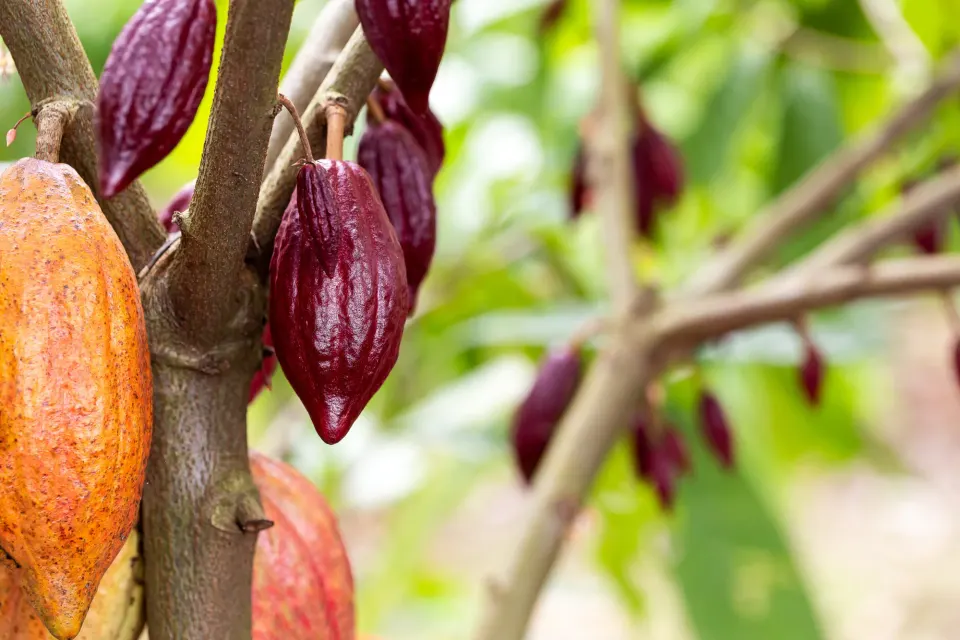
ADM Investor Services analyst Mark Bowman warns that a forecast Super El Niño, expected to peak in November and persist into February, could further tighten conditions for cocoa, coffee, cotton and sugar markets, compounding existing weather-related supply pressures across West Africa, Brazil and the United States.
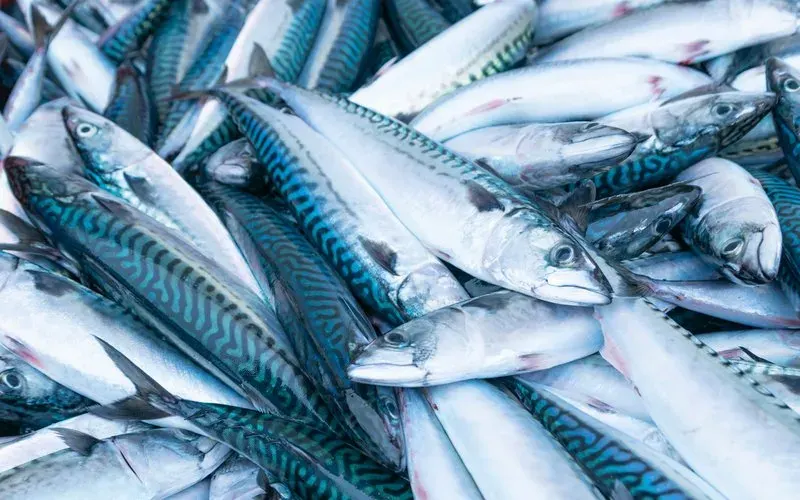
The International Council for the Exploration of the Sea has increased its 2027 catch advice for Northeast Atlantic mackerel, blue whiting and Norwegian spring-spawning herring, with mackerel advice more than doubling. Industry group NAPA and the Marine Stewardship Council both caution that the improved outlook does not resolve more than a decade of unresolved quota-sharing disputes among Coastal States.
Agricultural commodity futures posted sharply divergent results in the week ending 25 September 2026, with November soybeans gaining 15½ cents to $13.19 per bushel and November feeder cattle surging nearly $14, while wheat contracts fell as much as 27¾ cents. China trade developments, harvest-season supply pressure, and commodity-specific fundamentals drove the split outcomes, according to a weekly market analysis published by Ag Bull on 26 September 2026.
Immigration enforcement operations in Kansas, Oklahoma and Texas have cut federally inspected cattle slaughter by more than 31,000 head versus the prior week through Thursday, September 25, 2026, with the Kansas Livestock Association, Oklahoma Cattlemen's Association and Texas Cattle Feeders Association warning of millions of dollars in lost revenue and delays to fed cattle deliveries. The disruption is affecting feedyards, processing plants, feed and grain businesses and transport operations across a region that accounts for roughly 22% of the nation's grain-fed beef supply.
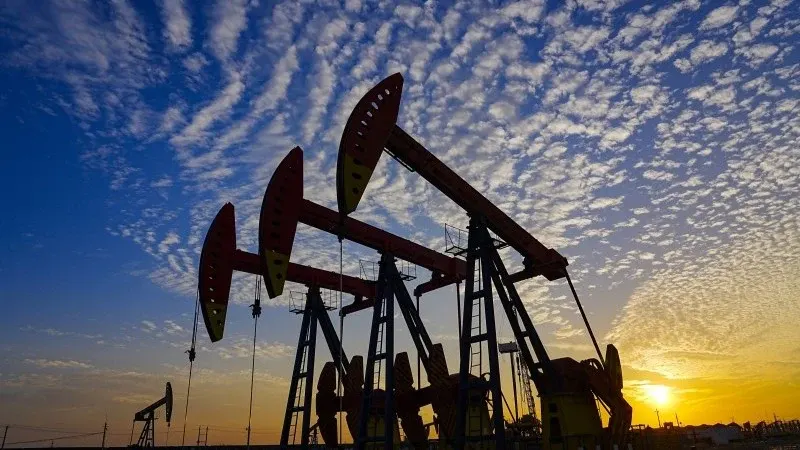
The USDA's September WASDE trimmed 2026/27 US corn ending stocks and slashed production forecasts, while soybean ending stocks edged lower on stronger export demand. Wheat balances were broadly stable. Meanwhile, Saudi Arabia's shutdown of its East-West pipeline and record-high diesel cracks are adding freight and energy cost pressure that feed manufacturers and ingredient traders will need to monitor closely.