Drone attacks on merchant ships in the Black Sea this week, including strikes that sank at least one vessel off Bulgaria and Romania, have disrupted key grain export corridors and pushed Euronext front-month corn above €300/t for the first time, with wheat futures also firming. The incidents compound an already tight European grain balance marked by sharply reduced French corn output and historically low projected ending stocks for 2026/27.
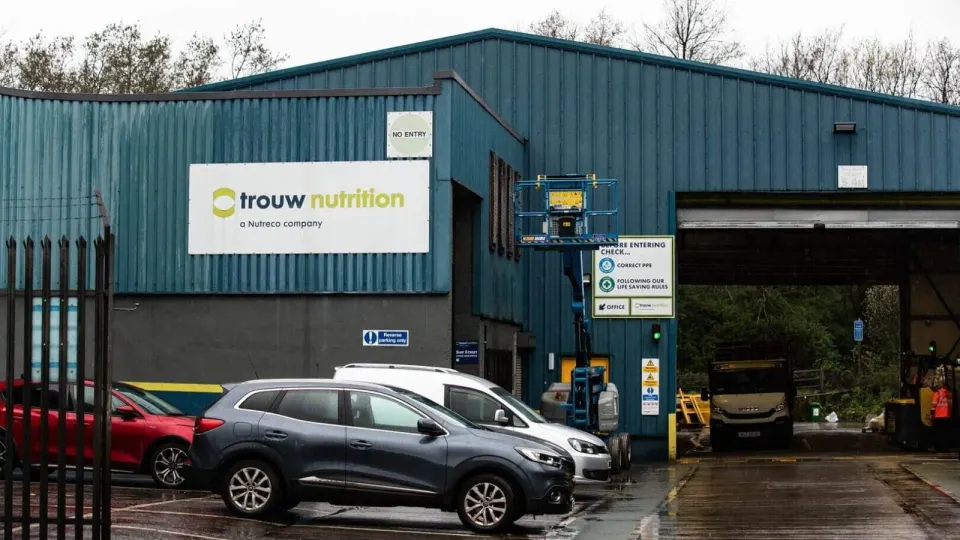
Trouw Nutrition has permanently closed its Ship Street pre-mix manufacturing facility in Belfast, ending production on 30 September 2026 and resulting in 29 redundancies. The Dutch animal-nutrition company says it will continue to serve the Irish market through its Great Britain and European plants, while retaining commercial, sales, and technical teams at its Belfast headquarters.
The US Department of Agriculture projects global vegetable oil exports will reach a record 141 million tonnes in 2026/27, driven by sharp gains in rapeseed and sunflower oil trade, while palm oil exports are expected to decline slightly.
The U.S. hemp industry is looking to animal feed as a potential outlet for surplus biomass and processing byproducts, with research showing nutritional promise but cannabinoid residue concerns and fragmented regulation continuing to limit commercial uptake.
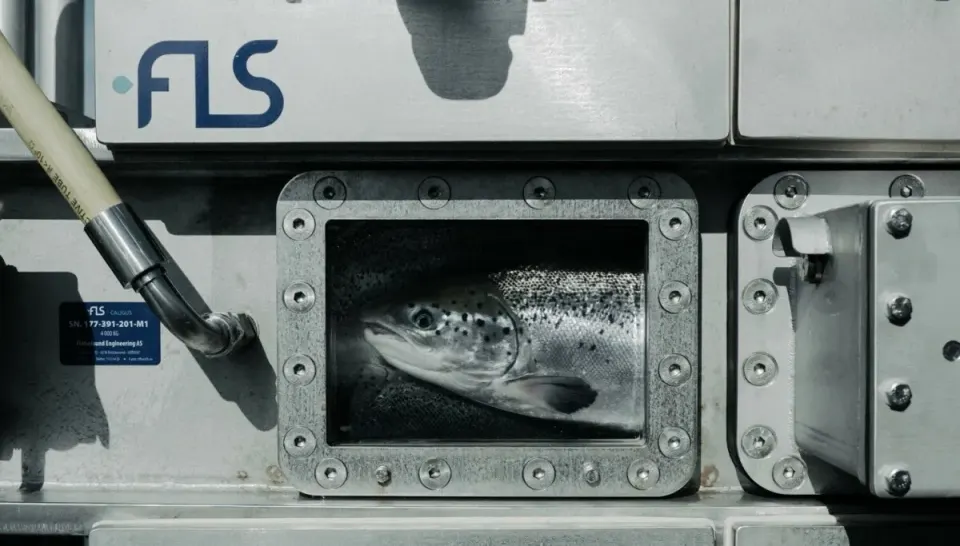
European asset manager Ambienta has acquired Norway-based BioMarine, FLS, and Smir, plus Faroese firm GroAqua, through its Ambienta IV fund, describing the four deals as the first step toward building an integrated sustainable aquaculture technology platform.
The European Commission's final audit report has found that Brazil's official poultry and honey supply chain controls meet EU standards on antimicrobial use, according to the Brazilian Association of Animal Protein (ABPA). However, the reinstatement of Brazil on the EU's approved suppliers list remains pending further European regulatory steps, including a yet-to-be-scheduled meeting of the Standing Committee on Plants, Animals, Food and Feed.
The Council of the European Union has adopted its negotiating position calling for maximum residue levels of certain hazardous pesticides in imported food and feed to be lowered to the limit of quantification — known as technical zero — pending an impact assessment. The mandate, part of the Omnibus X food and feed safety package, expands coverage to substances posing risks to honeybees or groundwater, but the rules are not yet in force and require the European Parliament to adopt its own position before negotiations can begin.
BASF is considering a takeover of Evonik, one of Europe's key producers of animal-feed ingredients, as both German chemical groups face pressure from high energy costs and weak demand. Both companies have confirmed preliminary contact, though no agreement has been reached. Analysts estimate potential annual savings of around €700 million if the deal proceeds.
Russia's Agriculture Ministry has formally proposed a 12-month moratorium on bankruptcy proceedings for grain producers after export bottlenecks caused a domestic price collapse, while EU and Black Sea physical wheat prices remained broadly flat. The Ministry of Economic Development has raised concerns about systemic financial risks, requesting evidence of exceptional circumstances before endorsing the measure.
Soybean futures edged higher on both the Chicago Board of Trade and China's Dalian Commodity Exchange on 30 September 2026, while physical premiums moved in opposite directions across origins. Ukrainian GMO-free and Chinese yellow soybeans strengthened, whereas U.S. No. 2 and conventional Ukrainian FOB values eased. Weather uncertainty in Brazil and Argentina for early October continues to underpin a mild risk premium in new-crop prices.
USDA's latest quarterly grain stocks report shows US corn inventories rose 35% year-on-year to 2.10 billion bushels as of 1 September 2026, driving the December CBOT contract to a six-week low near 499 US cents per bushel. EU and Black Sea physical prices remain broadly stable amid ample global supply, with Brazil still shipping large export volumes and China projecting a strong 2026 harvest.
Argentina's agro-industrial exports to the European Union increased 21% in value during the first four months the Mercosur-EU trade agreement was in provisional force, with tariff-reduced products posting an even steeper 44% gain, according to Argentina's Secretariat of Agriculture, Livestock and Fisheries.