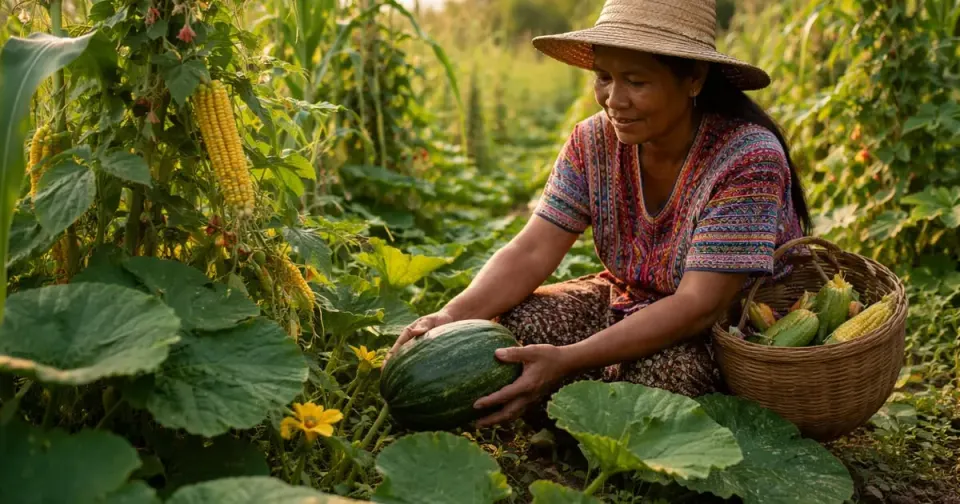
The Philippine Department of Agriculture is reviewing broader use of millet in animal feed rations to reduce the country's dependence on corn as a very strong El Niño, projected to persist into the first half of 2027, raises the risk of drought-related supply shocks. While corn remains the dominant feed grain, any large-scale millet adoption could gradually temper growth in Philippine corn import demand, a development international exporters are beginning to monitor.
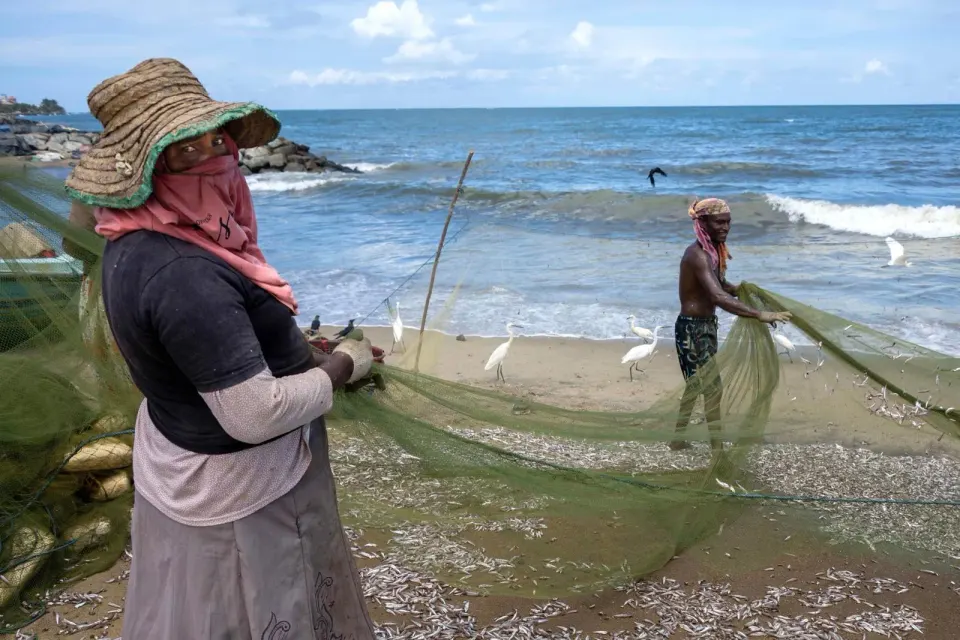
A report by the Changing Markets Foundation, produced with University of British Columbia researchers, warns that wild-caught fish used for aquaculture feed could rise sharply by 2040 if growth concentrates in carnivorous species such as salmon, shrimp, sea bream and sea bass. The FAO has disputed the interpretation of a 75% growth figure cited in the report, and the findings have sharpened debate over species choice, feed composition, and the impact on small-scale fishing communities.
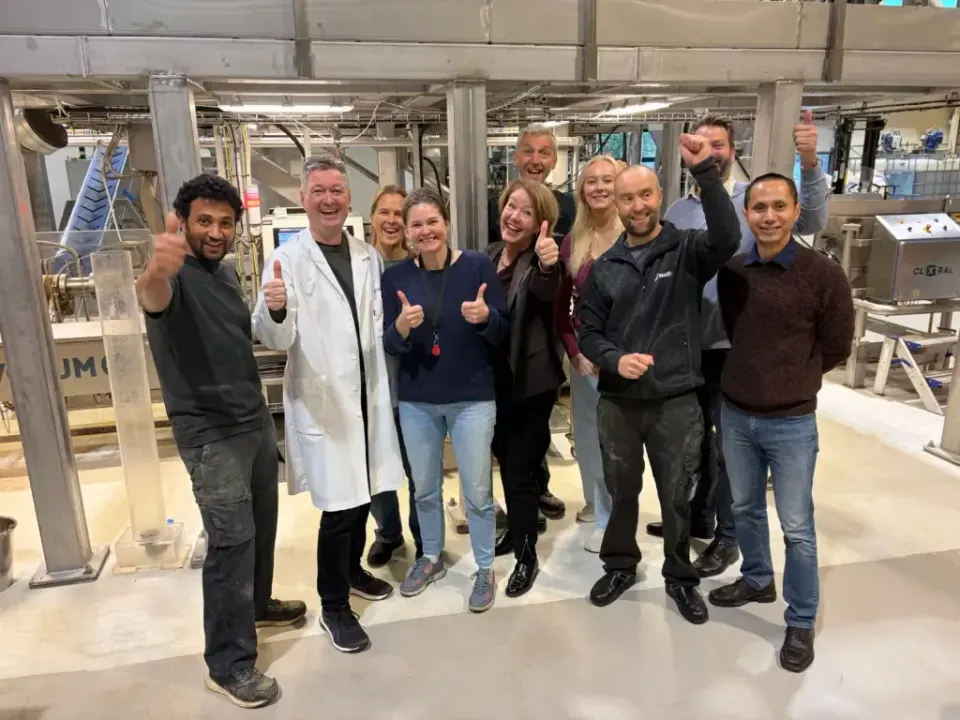
The Research Council of Norway has awarded NOK 1.24 billion (€110 million) across 18 projects to strengthen national research infrastructure, with Nofima's Aquafeed Technology Centre among the recipients. The funding will support Phase II of the centre, expanding Norway's capacity to develop and test aquafeed raw materials and ingredients.
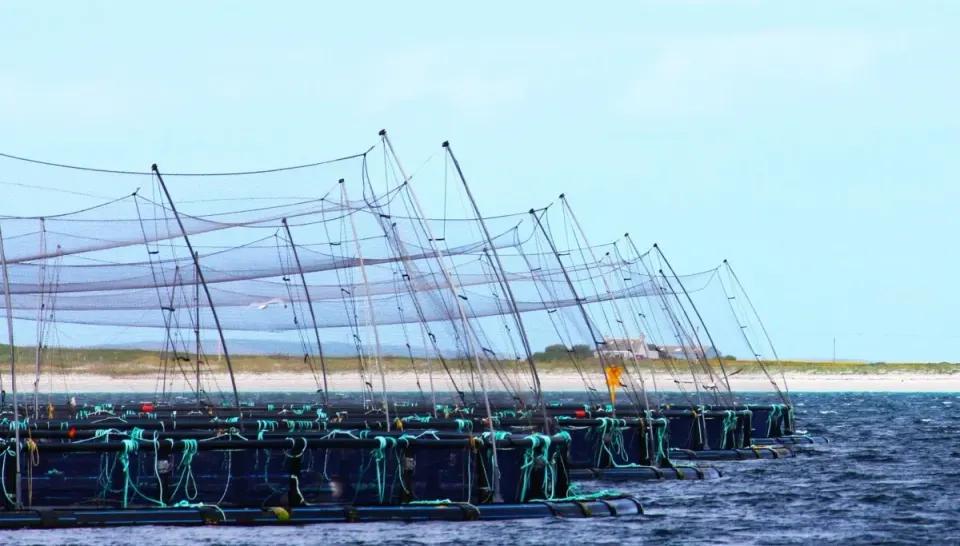
Scottish salmon farmer Cooke Scotland reported a 49% fall in net profit to £6.1 million in 2025, down from £12 million in 2024, as a decline in salmon prices more than offset higher sales volumes. Its parent, Cooke Aquaculture UK Holdings, saw an even steeper 60% profit decline. Feed costs and fuel remain key risk factors cited by directors in the annual report.
Immigration enforcement operations in Kansas, Oklahoma and Texas have cut federally inspected cattle slaughter by more than 31,000 head versus the prior week through Thursday, September 25, 2026, with the Kansas Livestock Association, Oklahoma Cattlemen's Association and Texas Cattle Feeders Association warning of millions of dollars in lost revenue and delays to fed cattle deliveries. The disruption is affecting feedyards, processing plants, feed and grain businesses and transport operations across a region that accounts for roughly 22% of the nation's grain-fed beef supply.
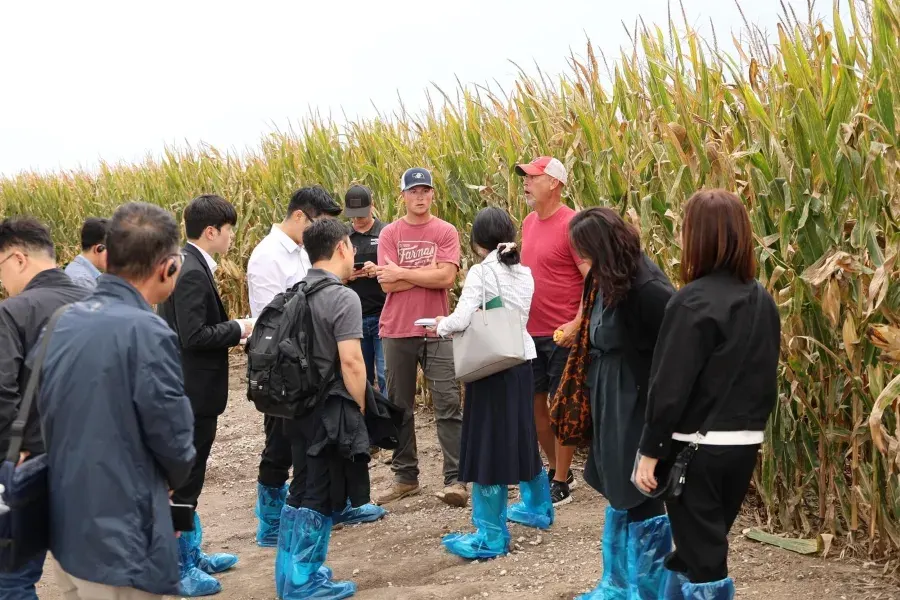
The U.S. Grains & BioProducts Council escorted a 19-member South Korean feed and food corn buyer delegation on a multi-state tour of the U.S. corn export chain in September 2026, covering farms, ethanol facilities, grain handling sites and Pacific Northwest export terminals, as U.S. corn holds more than 80% of South Korea's import market so far this year.
Archer Daniels Midland (ADM) is investing $55.5 million to repurpose an underutilised fermentation facility in Clinton, Iowa, into a precision fermentation operation, with Iowa state authorities approving $2.23 million in tax credits to support the project. The conversion is expected to expand ADM's capacity to produce high-value proteins and enzymes for food, feed, and industrial markets.
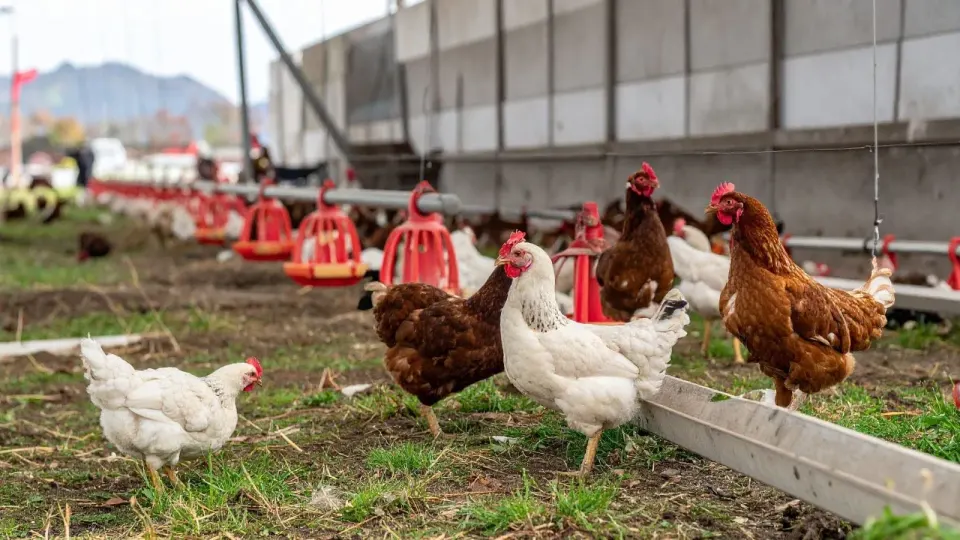
Côte d'Ivoire's poultry meat output has grown sixfold since 2010, reaching 139,000 tonnes in 2025 and driving rising demand for domestically produced maize and soybeans. Industry stakeholders meeting in Abidjan ahead of the Fieravicola 2027 trade fair called for stronger value-chain investment, improved animal health measures and technology partnerships with Italian companies to support further growth.
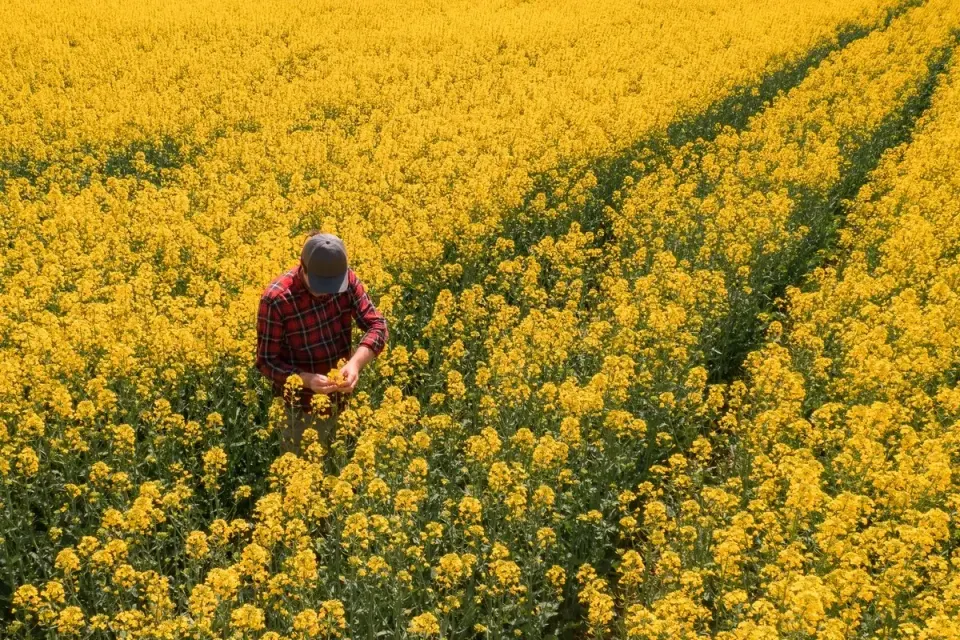
Wageningen University & Research has launched the six-year VASCO project with almost €4 million in funding to convert protein-rich agricultural side streams — including rapeseed cake, potato waste and rejected legumes — currently used as animal feed or for biofuel into ingredients for human consumption. Fermentation and enzyme-assisted protein extraction are the two core processing routes.
Tunisia's state grains agency has purchased around 125,000 tonnes of soft wheat at $311.72–314.23/tonne C&F for October–December shipment, setting a clear pricing floor for Mediterranean destinations and limiting near-term downside for Black Sea and EU export origins.
Kansas State University has officially opened the Western Star Global Grain and Food Center, a US$130 million, 178,000-square-foot facility that consolidates grain, milling, feed, pet food and food science programmes under one roof. The centre, the largest agricultural construction project in K-State's history, opened on 18 September 2026 and forms part of the university's broader US$216 million Agriculture Innovation Initiative.
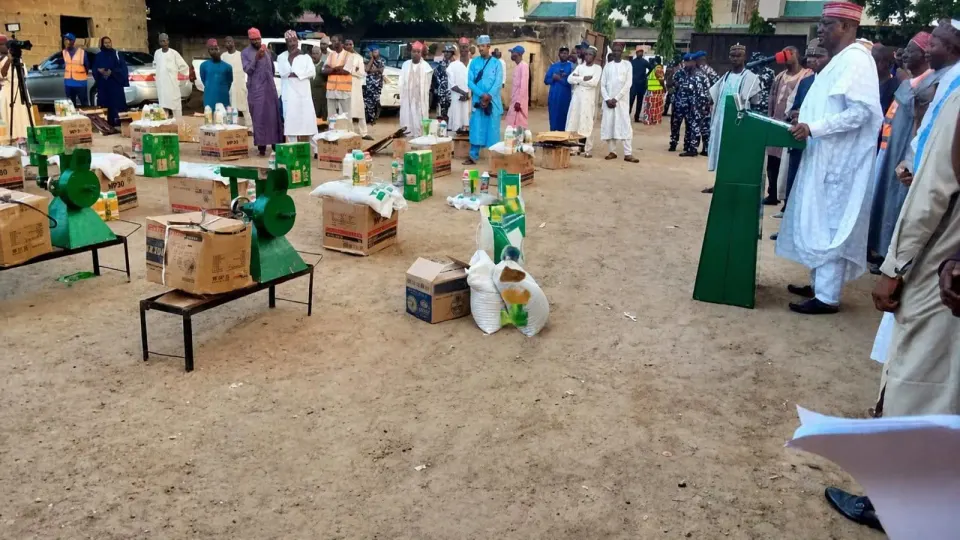
The World Bank-supported Livestock Productivity and Resilience Support Project (L-PRESS) has distributed feed-processing equipment and improved pasture seeds to more than 40 livestock unions and several farmer clusters in Zamfara State, Nigeria, aiming to improve feed access and boost livestock productivity.