Global sunflower seed output is projected to reach around 62.3 million tonnes in 2026/27, reinforcing an oilseed surplus, while Chinese confection and bakery-grade kernels command firm premiums. Black Sea logistics disruptions and export taxes continue to add volatility to trade flows, with China's role as an alternative supplier seen as a potential source of growing pricing power.
German feed rye EXW prices have firmed modestly in northern regions, while Ukrainian rye offered FOB Odesa has ticked up slightly, as ample EU grain supply and persistent Black Sea risk premia shape a cautious but balanced rye market heading into late September 2026.
CBOT soybean futures fell for the week ending 18 September 2026, weighed down by the onset of U.S. harvest and softness in vegetable oil markets, while firm soymeal prices, robust Chinese export demand, and harvest-delaying Midwest rains capped the downside. Regional FOB prices showed a mixed picture, with Ukrainian standard soybeans easing and GMO-free values edging higher.
Strong soybean meal exports from Argentina — close to 3 million tonnes in August 2026 — driven by sustained buying from the EU, Vietnam, Türkiye and Indonesia, are keeping Argentine crushing margins attractive and supporting global soybean demand. FOB soybean prices in Ukraine, the US and China remained broadly flat in euro terms in mid-September, while emerging weather risks in Brazil's Mato Grosso introduce potential upside price risk later in the 2026/27 season.
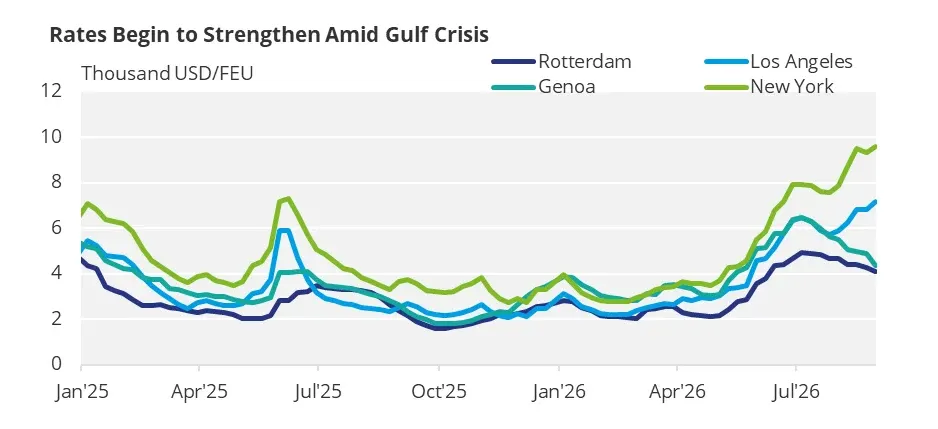
A rapidly intensifying El Niño is tightening water levels at the Panama Canal and prompting precautionary draft restrictions, according to an analysis by agribusiness consultant Alê Delara published by CZ App on 17 September 2026. The weather event could raise US Gulf-to-Asia shipping costs, eroding US soybean and corn competitiveness and redirecting Asian demand toward Brazil — but the same climate risks that could lift Brazilian export premiums also threaten its domestic harvest and push up farm input costs.
U.S. corn and soybean futures rebounded on Monday, 14 September 2026, driven by technical buying and strong export inspection data, while wheat futures moved lower amid persistent demand pressure. December corn settled at $5.3325 per bushel and November soybeans reached $13.0425, with weekly soybean export inspections surging nearly 45% above the prior week and exceeding analyst forecasts. Wheat remained under pressure as cumulative 2026/27 inspections tracked roughly 28% below last year's pace.
The USDA's September WASDE trimmed 2026/27 US corn ending stocks and slashed production forecasts, while soybean ending stocks edged lower on stronger export demand. Wheat balances were broadly stable. Meanwhile, Saudi Arabia's shutdown of its East-West pipeline and record-high diesel cracks are adding freight and energy cost pressure that feed manufacturers and ingredient traders will need to monitor closely.