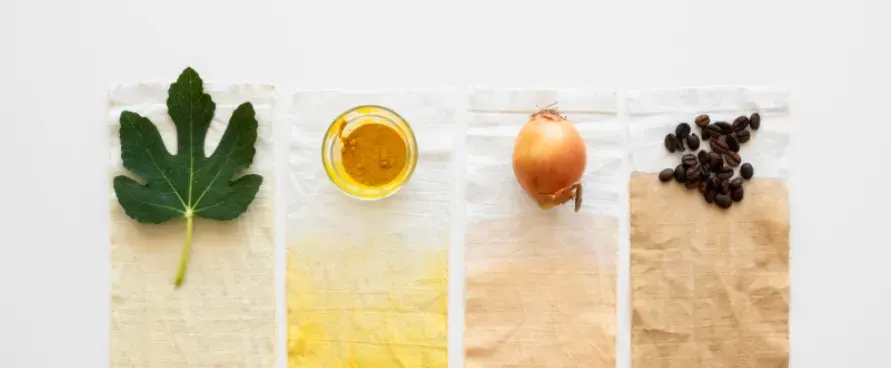
A study published 24 September 2026 in the journal Animals reports that feeding whole hemp seeds to Holstein–Friesian bulls at a 10% concentrate inclusion rate raised zinc, magnesium, iron, retinol, and α-tocopherol in muscle tissue and improved the ratio of unsaturated to saturated fatty acids, though higher inclusion at 17% produced little additional benefit and neither level increased long-chain omega-3 PUFA concentrations.
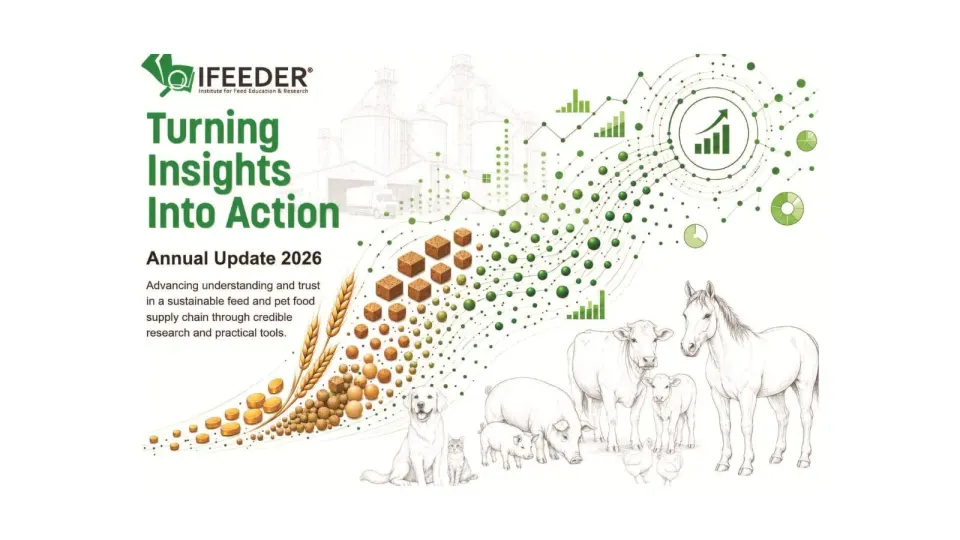
The Institute for Feed Education & Research (IFEEDER) has released its 2026 annual update alongside a five-year strategic plan aimed at expanding research, education and industry partnerships to build a more resilient animal feed and pet food supply chain in the United States.
The second day of the Compound Livestock Feed Manufacturers Association (CLFMA) of India's 67th National Symposium in Mumbai brought together policymakers, industry leaders, scientists and farmers to address feed security, artificial intelligence, veterinary capacity and government-industry collaboration in India's animal-agriculture sector.
China's National Health Commission and the State Administration for Market Regulation jointly released a package of 50 national food safety standards and amendment sheets on 22 September 2026, including new analytical methods for mycotoxins and contaminants relevant to feed and food supply chains. The standards were formally issued on 18 August 2026 with implementation dates running from February to August 2027.
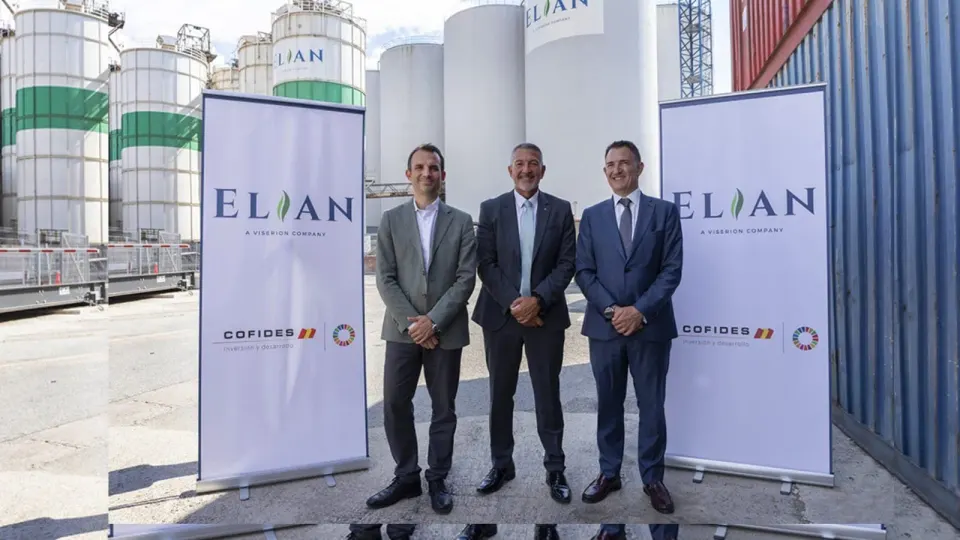
Spanish plant-based protein producer Elian has received a €40 million (US$45.66M) investment from Spain's state-owned COFIDES, giving the institution a 13.8% minority stake, as the company advances a broader €300 million expansion of its soy processing hub at the Port of Barcelona targeting completion in early 2028.
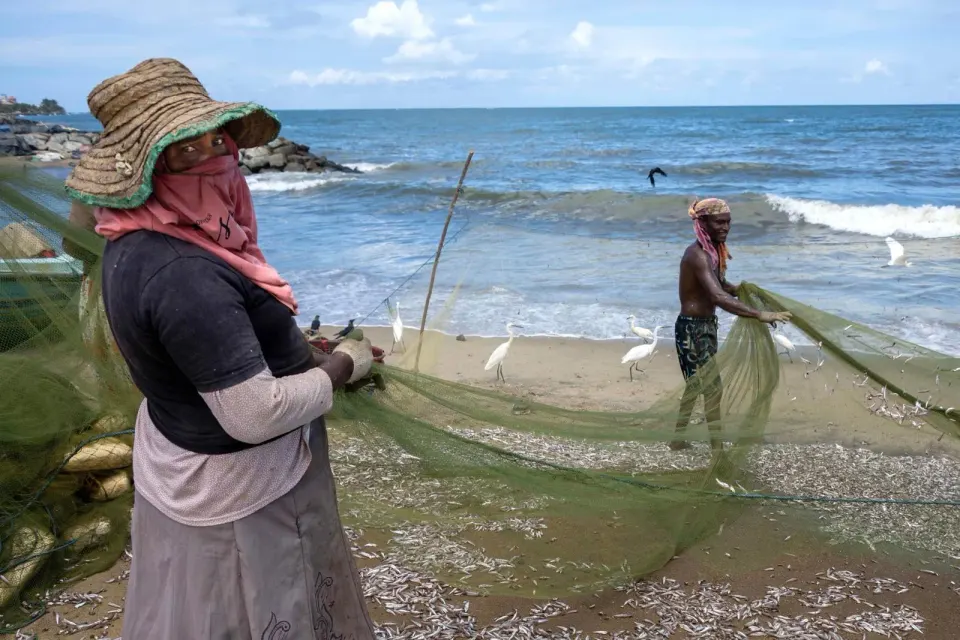
A report by the Changing Markets Foundation, produced with University of British Columbia researchers, warns that wild-caught fish used for aquaculture feed could rise sharply by 2040 if growth concentrates in carnivorous species such as salmon, shrimp, sea bream and sea bass. The FAO has disputed the interpretation of a 75% growth figure cited in the report, and the findings have sharpened debate over species choice, feed composition, and the impact on small-scale fishing communities.
China's National Health Commission and State Administration for Market Regulation have jointly issued Announcement No. 6 of 2026, releasing 50 national food-safety standards and amendment sheets that span product specifications, additive purity, production controls and laboratory test methods. Feed and food ingredient businesses exporting to or operating in China must review each standard individually, as no single package-wide compliance deadline applies.
Nestlé Purina has announced a €55 million investment to modernise its Portogruaro, Italy pet food facility, coinciding with the plant's 40th anniversary. The upgrade targets super-premium and veterinary diet production capabilities, including manufacturing flexibility, digitalisation, and a new on-site wastewater treatment plant, without increasing the site's current annual output of more than 130,000 tonnes.
Archer Daniels Midland (ADM) is investing $55.5 million to repurpose an underutilised fermentation facility in Clinton, Iowa, into a precision fermentation operation, with Iowa state authorities approving $2.23 million in tax credits to support the project. The conversion is expected to expand ADM's capacity to produce high-value proteins and enzymes for food, feed, and industrial markets.
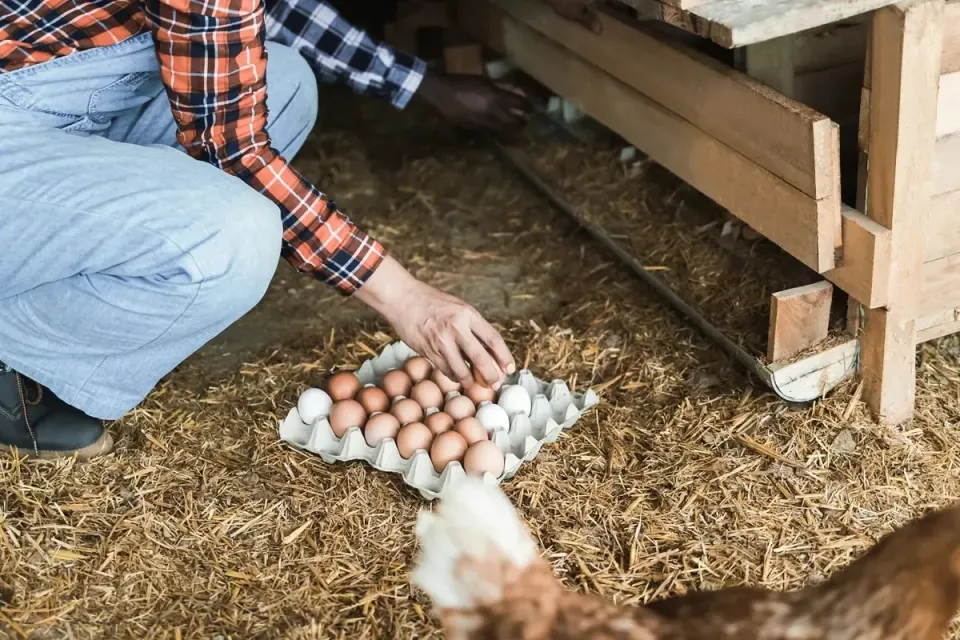
The European Food Safety Authority (EFSA) and the European Commission have renewed their joint #NoBirdFlu campaign ahead of the autumn migration season, urging farm-level biosecurity improvements to reduce avian influenza risks. Nearly 8,000 outbreaks were detected in Europe between October 2025 and June 2026, with supply chain disruption a growing concern for feed and food manufacturers relying on egg-derived ingredients.
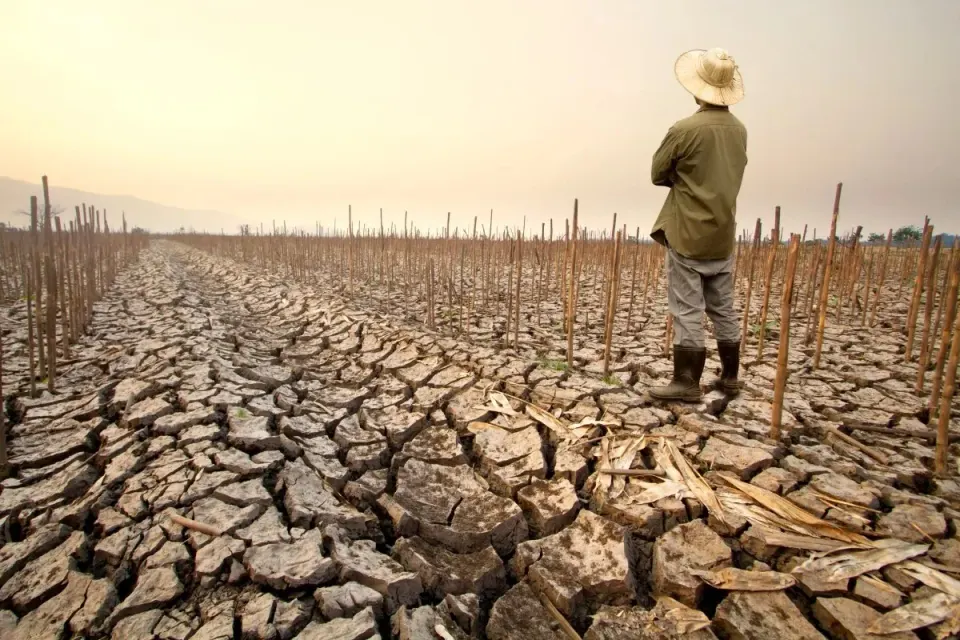
A strengthening El Niño event, combined with fertilizer shortages, geopolitical tensions, and elevated energy costs, could push global food and feed commodity prices up by 14–16%, according to procurement consultancy Beroe. Key feed ingredients including corn, vegetable oils, and sugar face varying levels of supply and price risk, with the full market impact potentially not materialising until 2028.
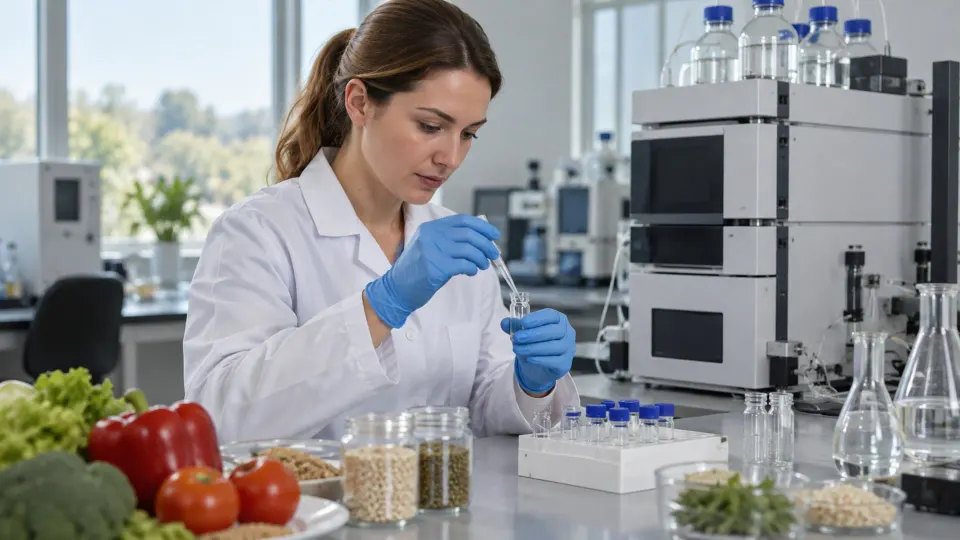
A peer-reviewed analysis of 2,479 RASFF mycotoxin notifications from 2020 to 2024 by University of Córdoba researchers finds that aflatoxins drove 84% of recorded cases, with nuts, seeds, and products of non-EU origin accounting for the largest shares. The study cautions against reading notification counts as direct measures of contamination prevalence, but highlights persistent risk in a narrow set of commodity groups relevant to feed and food ingredient buyers.