Loading…
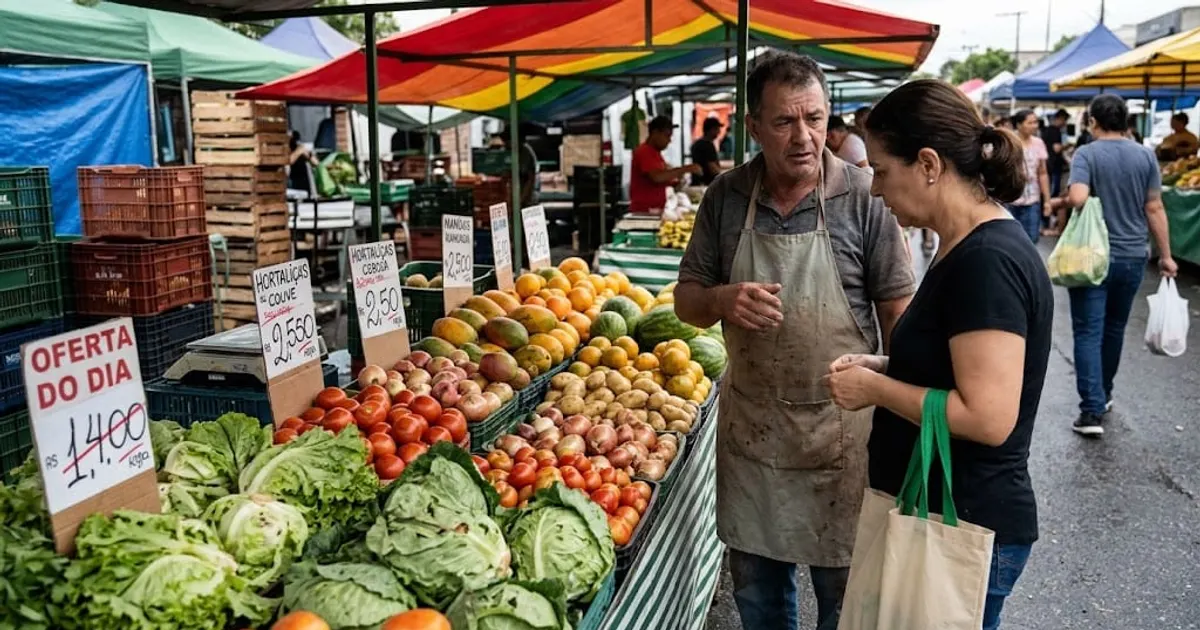
Brazil’s meteorological institute expects a very strong El Niño from October through December, potentially lasting into early 2027, with above-average rain in the South and hotter, drier conditions in the center-north. The article describes risks including delayed fieldwork and crop damage, while noting that short-cycle vegetables such as lettuce, tomatoes and carrots may be affected first.
Regional weather stress could reduce yields or delay harvests, tightening supplies and raising prices for affected crops; the article does not identify a specific feed-grain supply loss.
 souagro.netFernanda ToigoNov 7, 2026
After 1,964 past weather events, Soybeans moved a median +0.1% over 5 sessions (51% higher; middle half -1.7% to +1.8%), and +0.3% over 20.
After 2,467 past weather events, Corn moved a median +0.1% over 5 sessions (51% higher; middle half -1.5% to +1.7%), and +0.6% over 20.
After 639 past weather events, Soybean Meal moved a median +0.0% over 5 sessions (51% higher; middle half -1.9% to +2.3%), and -0.0% over 20.
Moves of each commodity's benchmark from the last close before the event. Historical reads pool past events of the same kind; they describe what happened, not what will. Not investment advice.
