Loading…
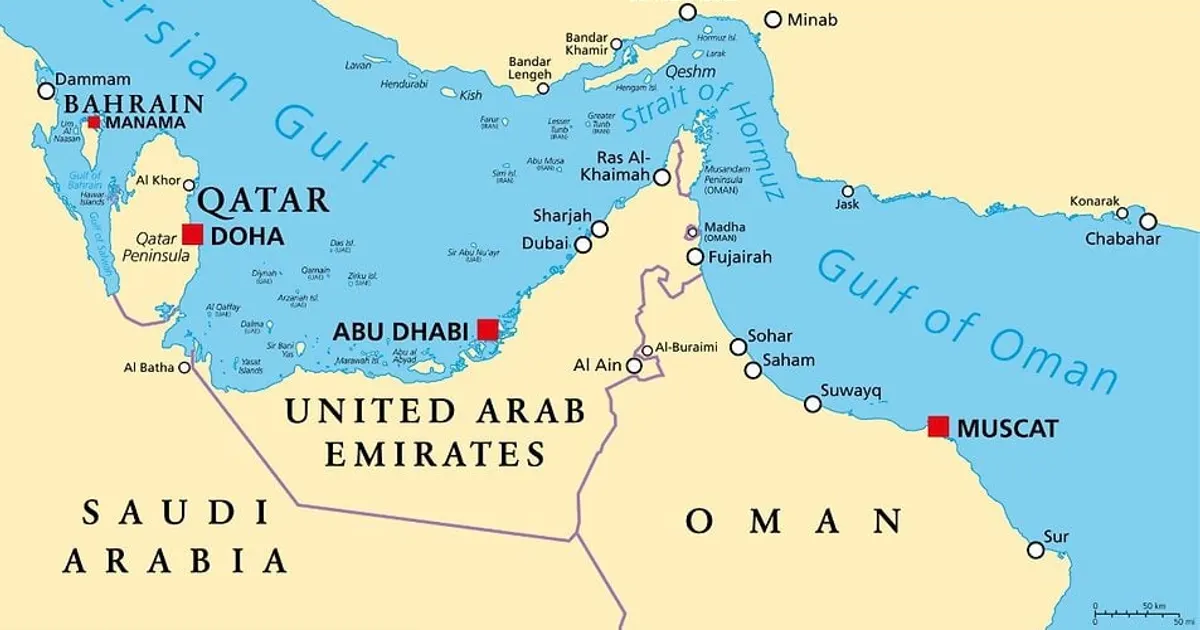
Rabobank's Stephen Nicholson says the US-Israel attack on Iran entering its second week is raising grain freight rates, while commodity prices are mostly steady. He says Suez and Hormuz are not major grain bottlenecks, but the duration of the conflict will determine whether the impact grows.
Higher fuel surcharges and basis cuts are expected along the supply chain.
Higher freight and fuel surcharges raise delivered costs for feed buyers and narrow farmer basis, even without physical grain disruption. A prolonged conflict would increase the pressure on prices.
 world-grain.comSusan ReidyMar 9, 2026
Not enough comparable past events yet for a historical read.
After 250 past bullish geopolitics events, ULSD / Diesel moved a median +1.7% over 5 sessions (58% higher; middle half -3.6% to +8.7%), and +0.9% over 20.
After 626 past bullish geopolitics events, Crude Oil (WTI) moved a median +2.1% over 5 sessions (62% higher; middle half -2.3% to +8.5%), and +1.6% over 20.
Moves of each commodity's benchmark from the last close before the event. Historical reads pool past events of the same kind; they describe what happened, not what will. Not investment advice.
