Loading…
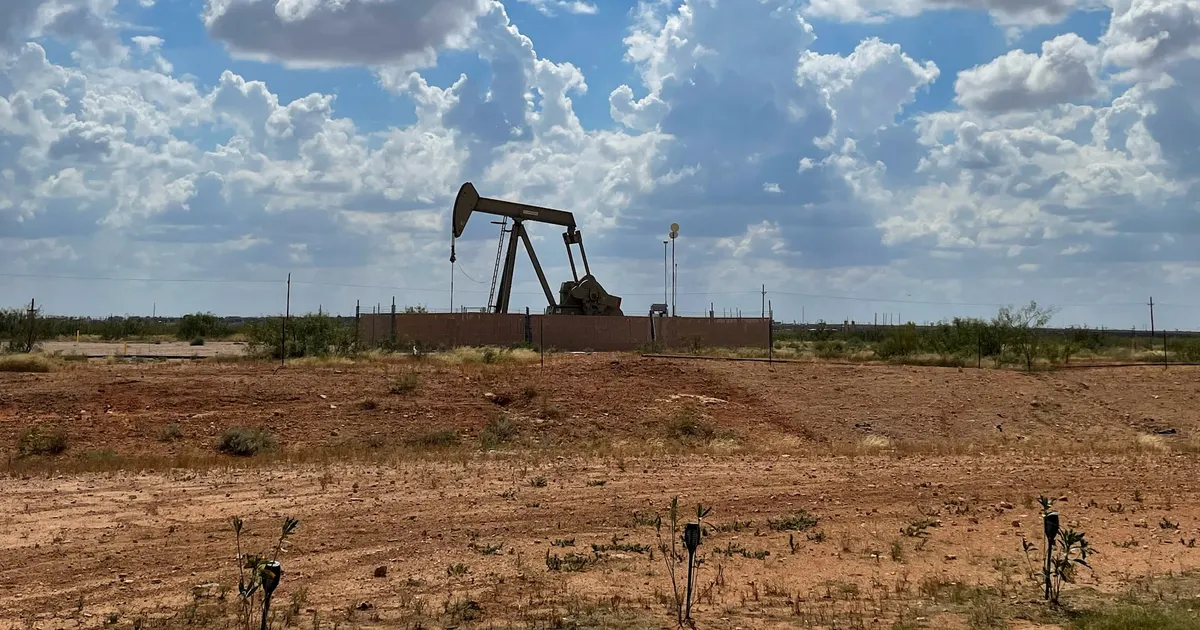
US Gulf crude prices rose to their highest since 2020 as the closure of the Strait of Hormuz forced several countries, including Iraq, to curb output. Flows of medium and heavy sour crude from the Persian Gulf are now largely cut off, and additional production cuts were announced.
Cut-off of medium and heavy sour crude tightens supply of the grades refiners rely on, lifting Gulf crude prices. Higher crude costs raise diesel and fertilizer costs for feed producers and support energy-linked commodity prices.
 reuters.comSiddharth CavaleMar 6, 2026
After 626 past bullish geopolitics events, WTI moved a median +2.1% over 5 sessions (62% higher; middle half -2.3% to +8.5%), and +1.6% over 20.
After 656 past bullish geopolitics events, BRENT moved a median +1.9% over 5 sessions (63% higher; middle half -2.7% to +6.6%), and +0.7% over 20.
After 250 past bullish geopolitics events, DIESEL moved a median +1.7% over 5 sessions (58% higher; middle half -3.6% to +8.7%), and +0.9% over 20.
Moves of each commodity's benchmark from the last close before the event. Historical reads pool past events of the same kind; they describe what happened, not what will. Not investment advice.
Dated March 6, it reports that Hormuz closure forced Iraq and others to cut output and cut off Gulf sour crude flows, tightening supply and lifting crude prices.
Cutoff of Gulf sour crude flows and production cuts by Iraq and others tightened physical supply and lifted prices.
Hormuz closure cutting Iraqi and Gulf sour crude flows tightens physical supply and supports Brent.
Cutoff of Persian Gulf sour crude and Iraqi output curbs lifted US Gulf crude prices to their highest since 2020.
