Loading…
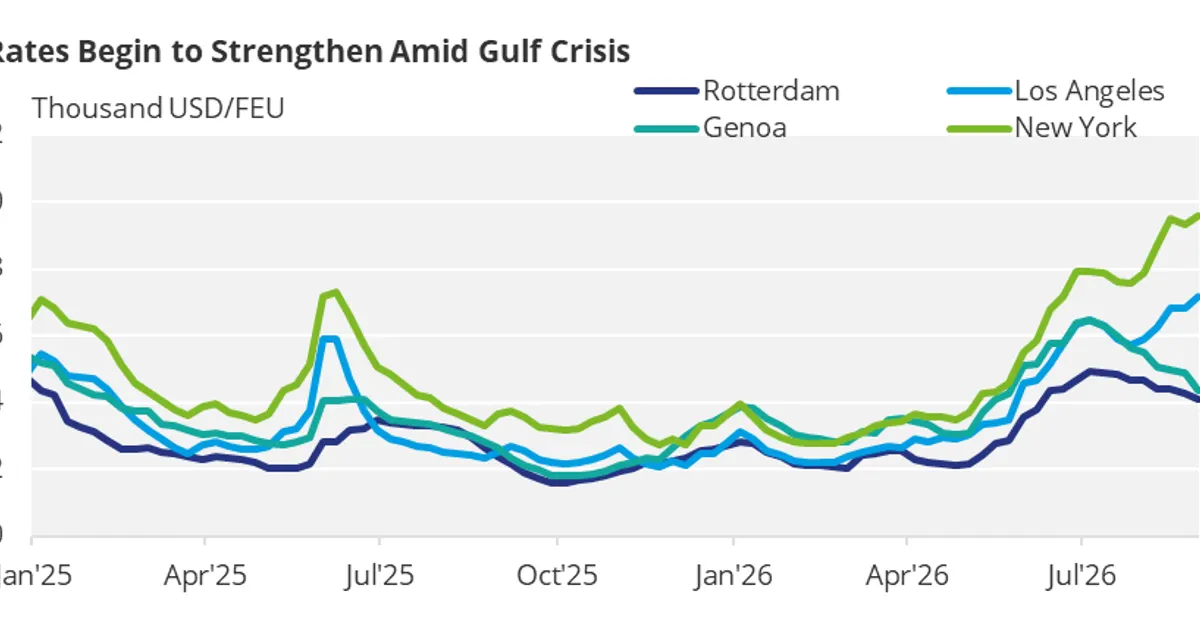
Panama Canal restrictions linked to El Niño drought could raise US Gulf to Asia freight costs, making US soybeans less competitive. Routes from Shanghai to the US East Coast have surged according to Drewry, and Brazilian ports that do not use the canal are positioned to capture diverted demand.
Higher US export freight would weaken US Gulf soybean basis and lift premiums for Brazilian origin, while El Niño adds crop risk and margin pressure for farmers.
 czapp.comAlê DelaraSep 17, 2026
After 363 past bearish weather events, Soybeans moved a median -0.6% over 5 sessions (42% higher; middle half -2.5% to +1.1%), and -0.2% over 20.
After 357 past bearish weather events, Corn moved a median -0.3% over 5 sessions (44% higher; middle half -2.2% to +1.3%), and -0.5% over 20.
After 118 past bearish weather events, Soybean Meal moved a median -0.8% over 5 sessions (35% higher; middle half -3.2% to +0.4%), and -1.6% over 20.
After 156 past neutral events of any kind, Brazilian Real (BRL per USD) moved a median +0.3% over 5 sessions (56% higher; middle half -0.9% to +1.4%), and +0.4% over 20.
Moves of each commodity's benchmark from the last close before the event. Historical reads pool past events of the same kind; they describe what happened, not what will. Not investment advice.
