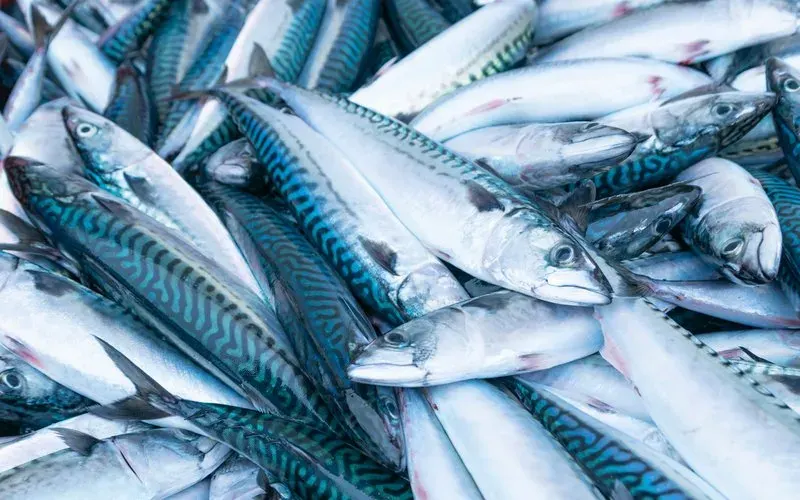
The International Council for the Exploration of the Sea has increased its 2027 catch advice for Northeast Atlantic mackerel, blue whiting and Norwegian spring-spawning herring, with mackerel advice more than doubling. Industry group NAPA and the Marine Stewardship Council both caution that the improved outlook does not resolve more than a decade of unresolved quota-sharing disputes among Coastal States.
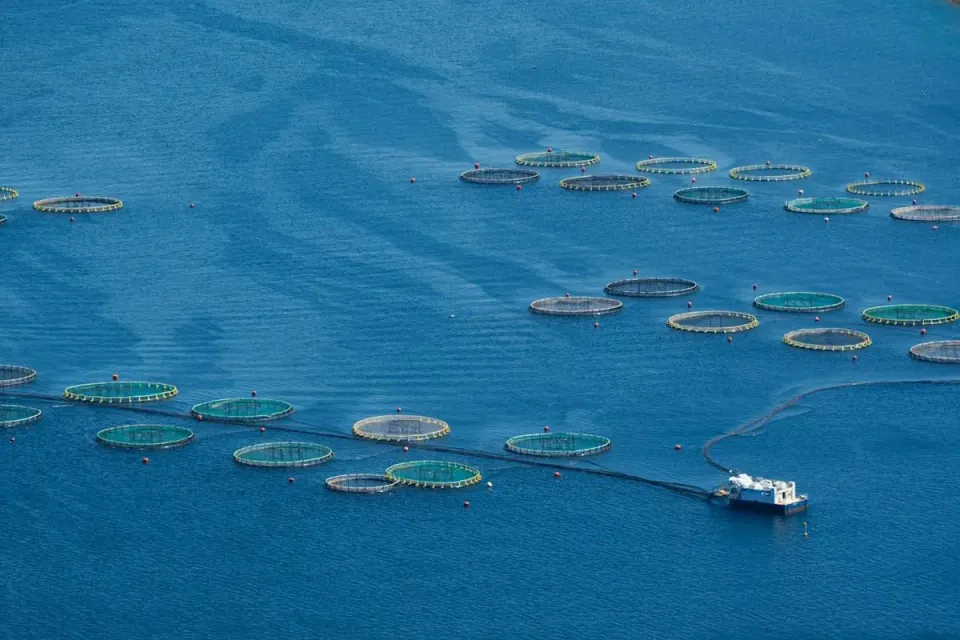
Pro-aquaculture lobby group Stronger America Through Seafood (SATS) has launched an October campaign urging Congress to pass the bipartisan Marine Aquaculture Research for America (MARA) Act before the current congressional term expires in January 2027, warning that the US is missing out on the benefits of open ocean aquaculture due to a complex federal permitting process that took eight years to approve a single demonstration project this year.
The Canadian Aquaculture Industry Alliance (CAIA) has unanimously voted to rename itself Canadian Seafood Farmers / Producteurs Aquacoles Canadiens, reflecting the sector's identity as a food-producing farming industry. The change was approved at the association's Annual General Meeting on 29 September 2026.
The UN Food and Agriculture Organization's SOFIA 2026 report, launched at the 11th Our Ocean Conference in Mombasa, Kenya, reveals that global aquaculture aquatic animal production reached 103 million tonnes in 2024, surpassing the 100 million tonne threshold for the first time. Asia accounts for around 89% of farmed output, and aquaculture now supplies 53% of total aquatic animal production. FAO projects production could reach 214 million tonnes by 2034, though climate change and sustainability pressures pose risks.
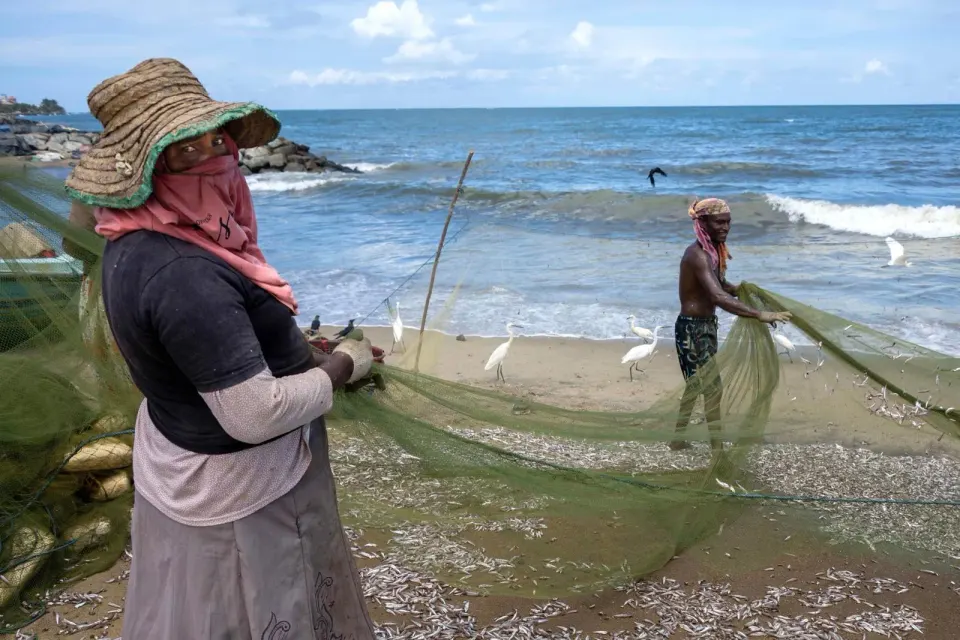
A report by the Changing Markets Foundation, produced with University of British Columbia researchers, warns that wild-caught fish used for aquaculture feed could rise sharply by 2040 if growth concentrates in carnivorous species such as salmon, shrimp, sea bream and sea bass. The FAO has disputed the interpretation of a 75% growth figure cited in the report, and the findings have sharpened debate over species choice, feed composition, and the impact on small-scale fishing communities.
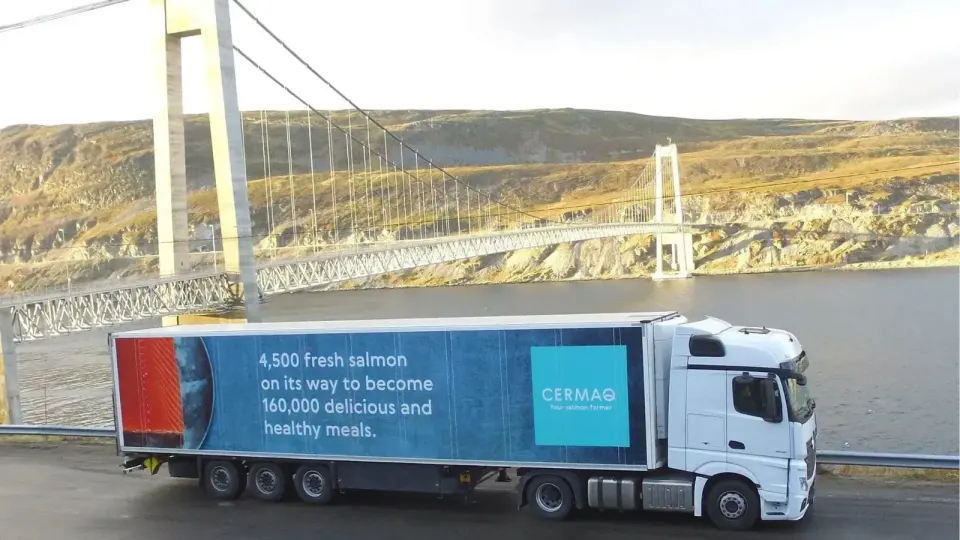
Norwegian salmon farming company Cermaq has named Snorre Jonassen as Chief Operating Officer, Silvia Segnini as Chief Financial Officer, and Dr Bendik Fyhn Terjesen as Chief Technology Officer as part of a global management restructuring following the integration of operations from Grieg Seafood in Finnmark and Canada.
IFFO – The Marine Ingredients Organization reports that fishmeal production in the first seven months of 2026 is down 49 percent year-on-year, while fish oil output has fallen 30 percent, with declines driven primarily by Peru and Chile and compounded by softer catches in Africa and Northern Europe.