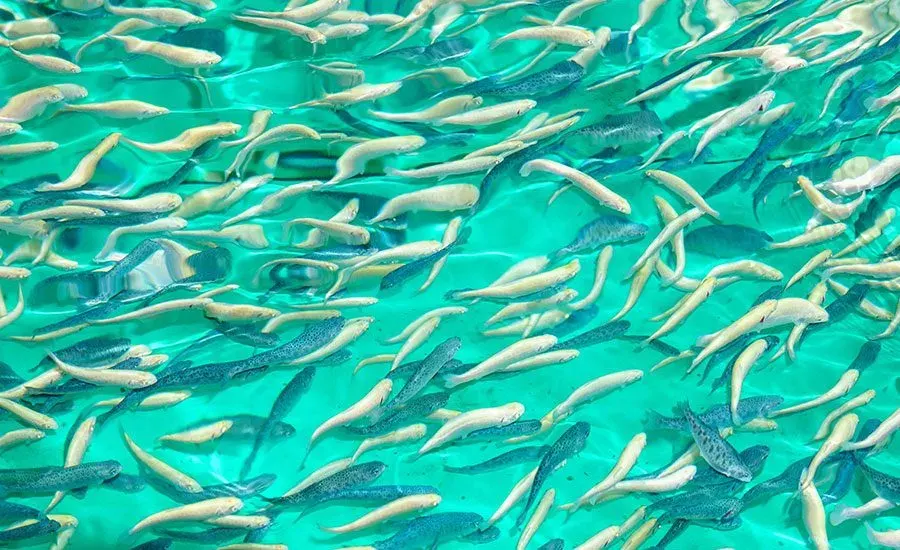
A market research report from Future Market Insights projects the global aquafeed market will grow from USD 66.7 billion in 2026 to USD 123.6 billion by 2036 at a 6.4% CAGR, driven by recurring commercial aquaculture demand. Conventional aquafeed is estimated to hold a 90% share of the nature category in 2026, while fish accounts for 36% of species-category demand.
A study published 24 September 2026 in the journal Animals reports that feeding whole hemp seeds to Holstein–Friesian bulls at a 10% concentrate inclusion rate raised zinc, magnesium, iron, retinol, and α-tocopherol in muscle tissue and improved the ratio of unsaturated to saturated fatty acids, though higher inclusion at 17% produced little additional benefit and neither level increased long-chain omega-3 PUFA concentrations.
EnviroZyme has introduced MultiBio Edge, a multi-strain prebiotic, probiotic, and postbiotic feed additive for shrimp and finfish aquaculture. Company testing indicates the product inhibits Vibrio colonisation on feed surfaces, reduces cytotoxicity caused by Vibrio parahaemolyticus, and alters the shrimp gut microbiome composition.
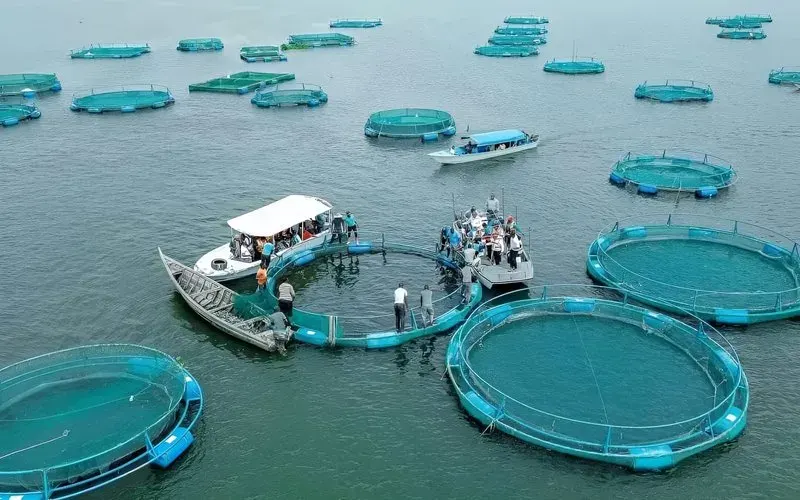
Tanzania's aquaculture output grew from 44,735 tonnes in 2020/21 to 234,525 tonnes in 2025/26, according to Ministry of Livestock and Fisheries data, as cage numbers, hatchery capacity and commercial feed use all expanded sharply. The country's director of aquaculture outlines priorities including feed manufacturing, cold-chain investment and sustainability governance ahead of the World Aquaculture Tanzania 2026 conference in Dar es Salaam.