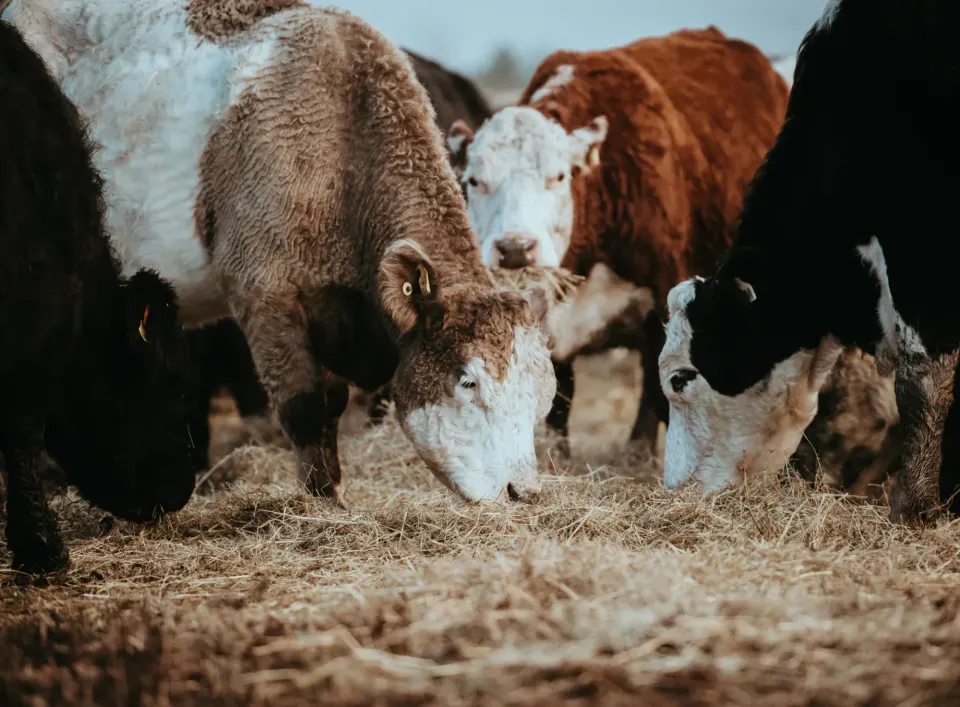
The U.S. hemp industry is looking to animal feed as a potential outlet for surplus biomass and processing byproducts, with research showing nutritional promise but cannabinoid residue concerns and fragmented regulation continuing to limit commercial uptake.
A peer-reviewed study in the journal Animals finds that soybean variety, growing location, crop year, and relative maturity can materially shift crude protein and amino acid profiles in southern Illinois soybeans, altering modeled soybean meal quality and livestock diet formulation outcomes for both ruminants and non-ruminants.
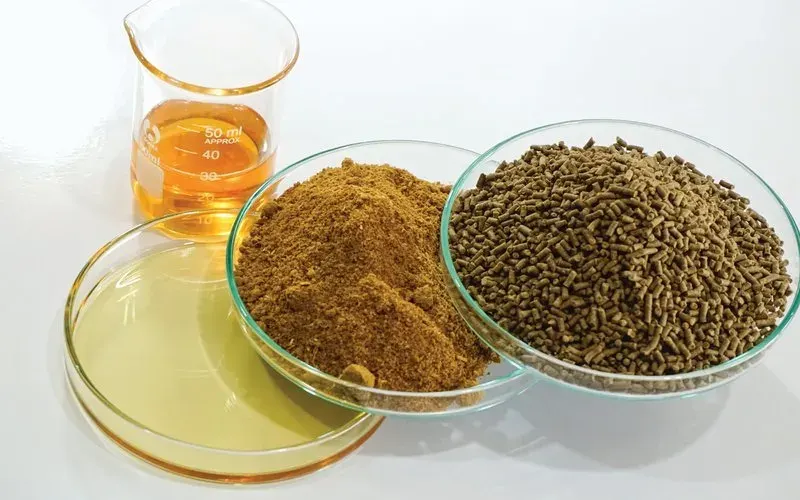
A peer-reviewed study by researchers from the University of Porto, CIIMAR, and the University of Florence, in collaboration with EPAX®, found that fatty acid ethyl ester (FAEE) oil — a byproduct of omega-3 supplement production — can completely replace fish oil in juvenile European seabass diets without impairing growth, feed utilization, or nutrient digestibility. However, the substitution significantly reduced muscle DHA levels, pointing to a potential nutritional quality trade-off that may require mitigation.
A peer-reviewed study published September 24, 2026, in Animals (MDPI) evaluated rumen-protected glycine, methionine, and a combination of both in low-protein diets fed to Yudong black goats, assessing effects on growth, slaughter performance, meat quality, and rumen microflora.
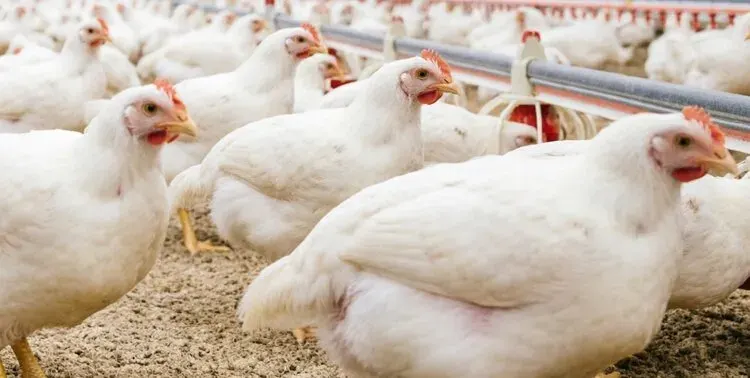
A Chinese study published in September 2026 reports that single-cell protein derived from the bacterium Ralstonia eutropha H16 can substitute soybean meal in broiler chicken diets at inclusion levels up to 8%, maintaining growth performance while improving antioxidant capacity, immune status, and gut health.
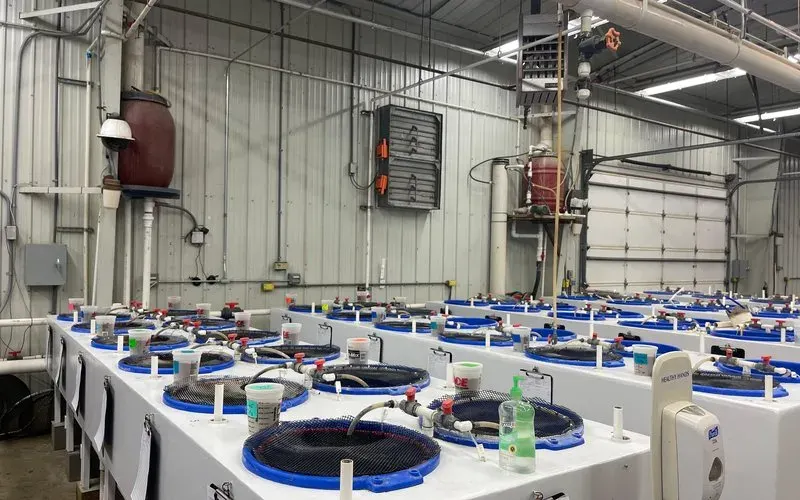
A multi-institution US study published in Aquaculture finds that adding 5% dried fish solubles to high-soybean meal diets significantly improved growth and selected fillet-quality traits in rainbow trout, with the effect driven primarily by increased voluntary feed intake rather than improved feed conversion.
IFF has introduced Omni-Bos™ PHY, a phytase enzyme developed specifically for dairy cattle, with initial commercial launches planned across the Middle East, Africa and Asia-Pacific. The product is designed to remain active in the abomasum and targets the longstanding limitation of conventional phytases in ruminant nutrition.
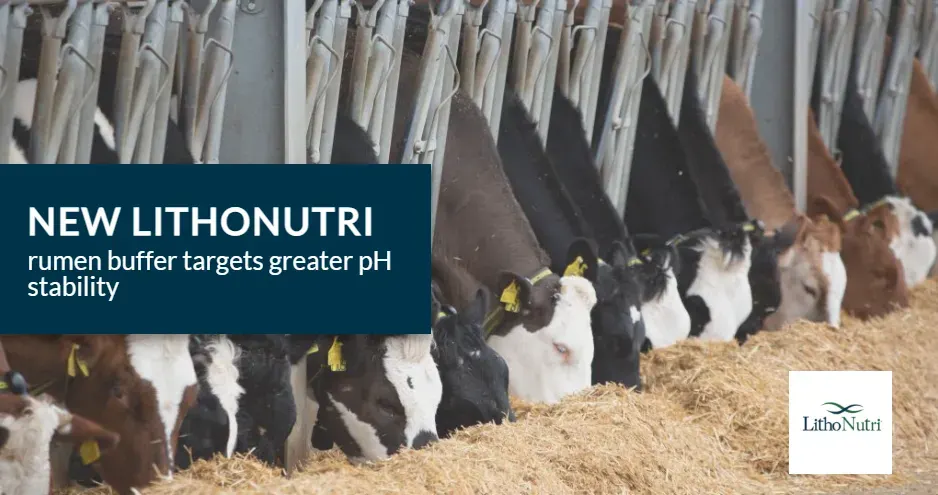
Scotmin Nutrition, part of the Fevara plc portfolio, has launched LithoNutri, a natural marine-derived rumen buffer produced from calcified red marine algae, targeting improved rumen pH stability and reduced risk of sub-acute rumen acidosis in UK dairy and beef cattle.