Wheat prices in the Rhine region are moving largely sideways heading into Q4 2026 and early 2027, with bread wheat quoted at 240 EUR/t for October–December and only a modest 4–5 EUR/t carry into Q1 2027. Corn and rapeseed are sending stronger price signals, with EU corn commanding a clear premium over feed wheat and rapeseed posting the steepest forward curve in the complex, drawing feed-sector attention away from wheat.
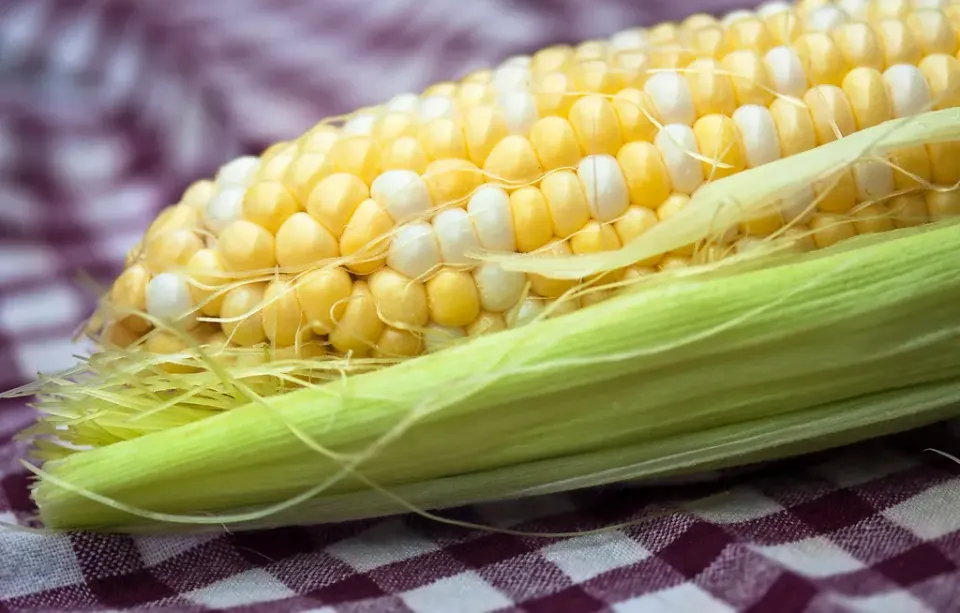
Deoxynivalenol (DON), commonly known as vomitoxin, is emerging as a significant problem in the 2026 corn harvest, prompting grain handlers including Dayton Cargill to test every load. The heat-stable mycotoxin concentrates in distillers dried grains and poses regulatory and financial risks for the animal feed industry.
Ukrainian wheat prices remain depressed but stable as Black Sea export logistics keep volumes well below capacity, while German feed wheat trades sideways at elevated levels. The discount of Ukrainian origins to Western European benchmarks is expected to persist into early October 2026.
Italy's soft wheat flour exports rose nearly 15% year on year in the first half of 2026, with the United States becoming the largest buyer after a 38% surge in imports, even as Black Sea wheat prices remain subdued and global grain benchmarks stay under pressure.