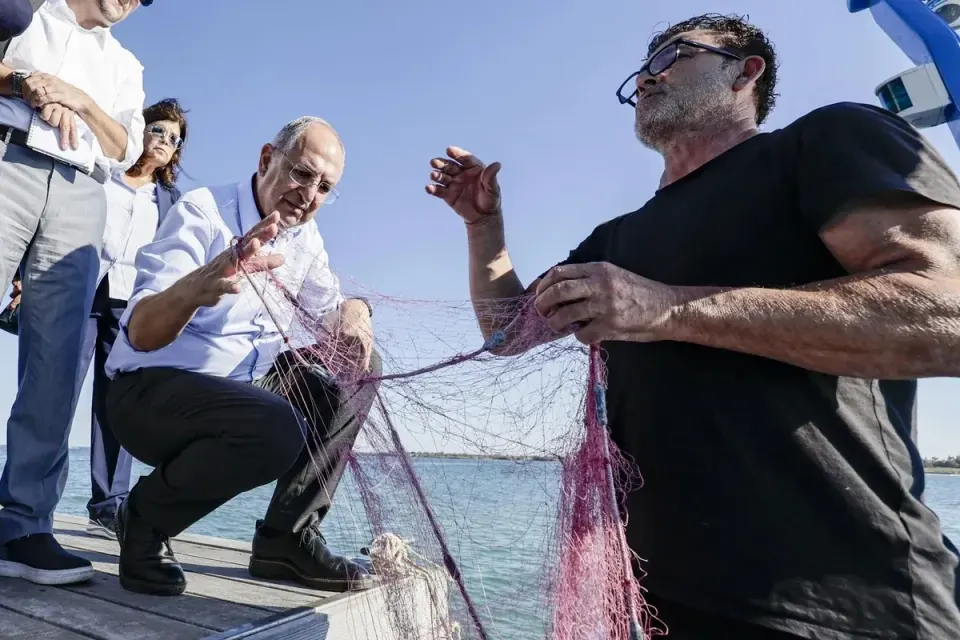
The European Commission presented its Vision 2040 for fisheries and aquaculture on October 20, setting out plans for new aquaculture legislation, digital traceability, and cleaner production investment. Industry bodies broadly welcomed the direction but split over key priorities: aquaculture producers want binding growth targets and faster licensing, fishing groups demand reform of the Common Fisheries Policy, while environmental organizations and small-scale fishers argue for stronger enforcement of existing rules.
Drone attacks on merchant ships in the Black Sea this week, including strikes that sank at least one vessel off Bulgaria and Romania, have disrupted key grain export corridors and pushed Euronext front-month corn above €300/t for the first time, with wheat futures also firming. The incidents compound an already tight European grain balance marked by sharply reduced French corn output and historically low projected ending stocks for 2026/27.
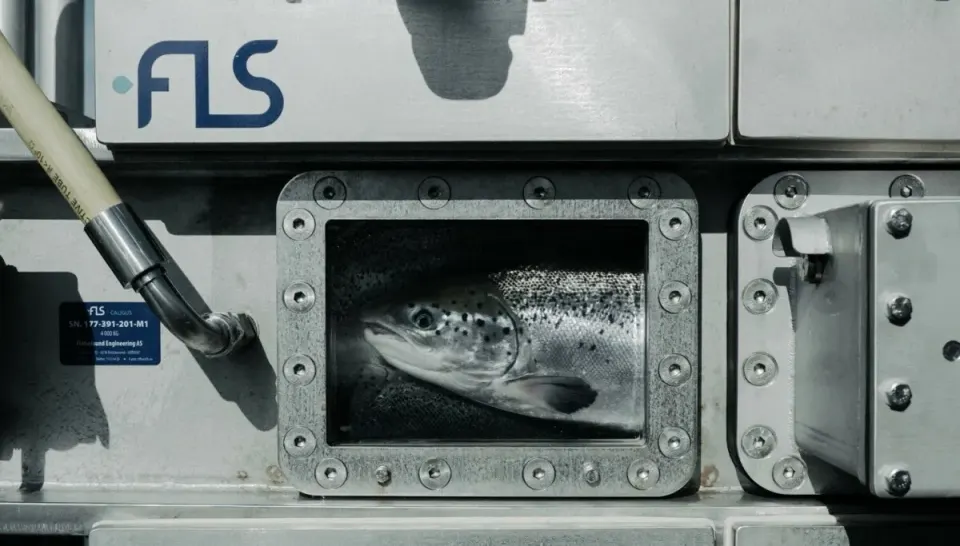
European asset manager Ambienta has acquired Norway-based BioMarine, FLS, and Smir, plus Faroese firm GroAqua, through its Ambienta IV fund, describing the four deals as the first step toward building an integrated sustainable aquaculture technology platform.
UK FOB London pea prices have slipped modestly week-on-week as the 2026 domestic harvest under-delivered at roughly 69% of target, while stable and low Ukrainian FCA Odesa offers continue to cap upside for feed users.
Russia's Agriculture Ministry has formally proposed a 12-month moratorium on bankruptcy proceedings for grain producers after export bottlenecks caused a domestic price collapse, while EU and Black Sea physical wheat prices remained broadly flat. The Ministry of Economic Development has raised concerns about systemic financial risks, requesting evidence of exceptional circumstances before endorsing the measure.
Soybean futures edged higher on both the Chicago Board of Trade and China's Dalian Commodity Exchange on 30 September 2026, while physical premiums moved in opposite directions across origins. Ukrainian GMO-free and Chinese yellow soybeans strengthened, whereas U.S. No. 2 and conventional Ukrainian FOB values eased. Weather uncertainty in Brazil and Argentina for early October continues to underpin a mild risk premium in new-crop prices.
Persistent port congestion, container imbalances and route disruptions are keeping ocean freight costs elevated for agricultural shippers even as some trade lanes through the Red Sea and Suez Canal show signs of partial normalization, according to CMB News.
Sunflower oil prices fell for a third consecutive month in September 2026, according to FAO data, as ample Black Sea supply weighs on the market. However, damaged Ukrainian port infrastructure, elevated maritime risk premia, and constrained Russian export routes are cushioning the downturn and keeping volatility high.
Wheat prices in the Rhine region are moving largely sideways heading into Q4 2026 and early 2027, with bread wheat quoted at 240 EUR/t for October–December and only a modest 4–5 EUR/t carry into Q1 2027. Corn and rapeseed are sending stronger price signals, with EU corn commanding a clear premium over feed wheat and rapeseed posting the steepest forward curve in the complex, drawing feed-sector attention away from wheat.
A sharply larger 2026 Ukrainian sunflower crop, combined with war-damaged crushing capacity and elevated logistics costs, is pushing domestic seed purchase prices and sunflower oil values lower as the harvest accelerates into early October.
Chilean aquaculture authorities have told parliament that land-based sanitary trenches could be used to dispose of salmon mortalities if the current El Niño climate event causes a catastrophic harmful algal bloom, an approach reserved only for the most extreme scenarios and aimed at preventing a repeat of the 2016 sea-dumping crisis.
Indian organic starch corn FOB New Delhi has edged up to EUR 1.32/kg as a lagging kharif maize acreage, a weak monsoon backdrop and firm global corn sentiment keep sellers in a strong position. Black Sea and EU supply remain competitive but cannot fully offset the structural risk premium supporting Indian export-grade corn.