Wheat prices in the Rhine region are moving largely sideways heading into Q4 2026 and early 2027, with bread wheat quoted at 240 EUR/t for October–December and only a modest 4–5 EUR/t carry into Q1 2027. Corn and rapeseed are sending stronger price signals, with EU corn commanding a clear premium over feed wheat and rapeseed posting the steepest forward curve in the complex, drawing feed-sector attention away from wheat.
A strengthening El Niño event, combined with fertilizer shortages, geopolitical tensions, and elevated energy costs, could push global food and feed commodity prices up by 14–16%, according to procurement consultancy Beroe. Key feed ingredients including corn, vegetable oils, and sugar face varying levels of supply and price risk, with the full market impact potentially not materialising until 2028.
MDEX palm oil futures posted modest gains on 23 September 2026, with the nearby October 2026 contract settling at MYR 4,640 per tonne. A gently upward-sloping forward curve reflects competing pressures: elevated Malaysian inventories and soft exports on the bearish side, against Indonesia's imminent B50 biodiesel mandate and drier-than-normal regional weather on the supportive side.
Cumulative global fishmeal production fell 49% year-on-year in the first seven months of 2026, with fish oil output down 30%, driven by shortfalls in South America and weaker catches in Africa and Northern Europe. IFFO says Asian producers may partially offset the decline in Q4, but demand headwinds in China's aquaculture and pig sectors are weighing on recovery prospects.
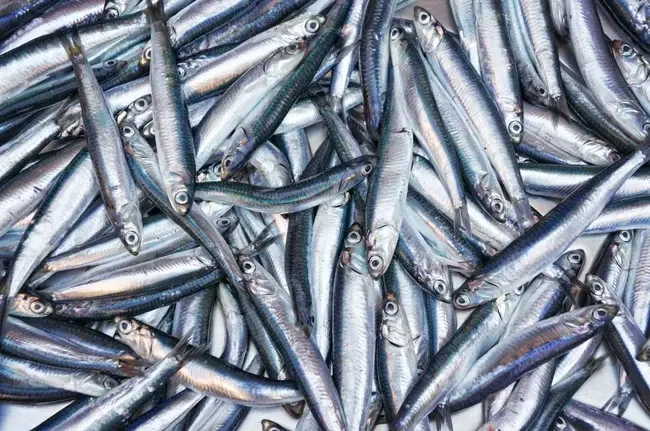
Global fishmeal production dropped 49% year on year in the first seven months of 2026 as El Niño-linked warm waters and juvenile fish disrupted Peru's anchoveta season, with fish oil output also falling 30%. IFFO says Asian fishing activity in Q4 may partially offset the South American shortfall.