A study published 24 September 2026 in the journal Animals reports that feeding whole hemp seeds to Holstein–Friesian bulls at a 10% concentrate inclusion rate raised zinc, magnesium, iron, retinol, and α-tocopherol in muscle tissue and improved the ratio of unsaturated to saturated fatty acids, though higher inclusion at 17% produced little additional benefit and neither level increased long-chain omega-3 PUFA concentrations.
A peer-reviewed study published September 24, 2026, in Animals (MDPI) evaluated rumen-protected glycine, methionine, and a combination of both in low-protein diets fed to Yudong black goats, assessing effects on growth, slaughter performance, meat quality, and rumen microflora.
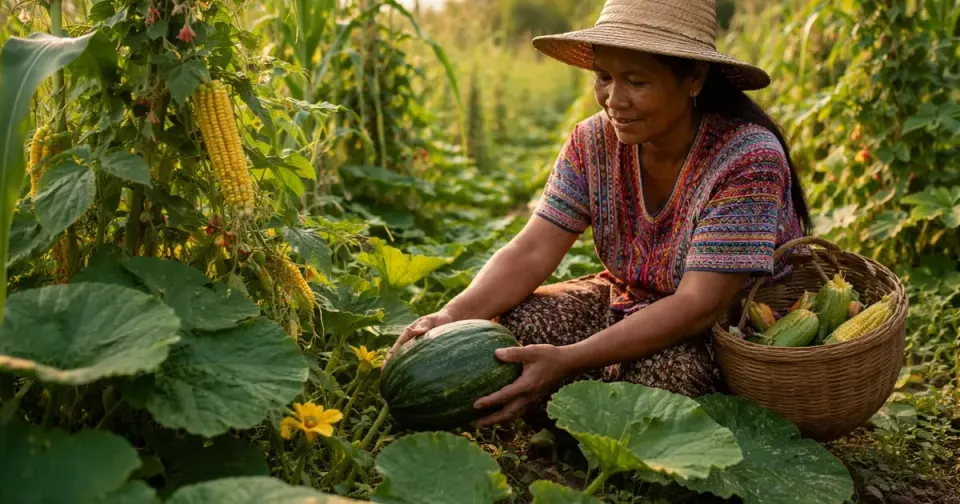
The Philippine Department of Agriculture is reviewing broader use of millet in animal feed rations to reduce the country's dependence on corn as a very strong El Niño, projected to persist into the first half of 2027, raises the risk of drought-related supply shocks. While corn remains the dominant feed grain, any large-scale millet adoption could gradually temper growth in Philippine corn import demand, a development international exporters are beginning to monitor.
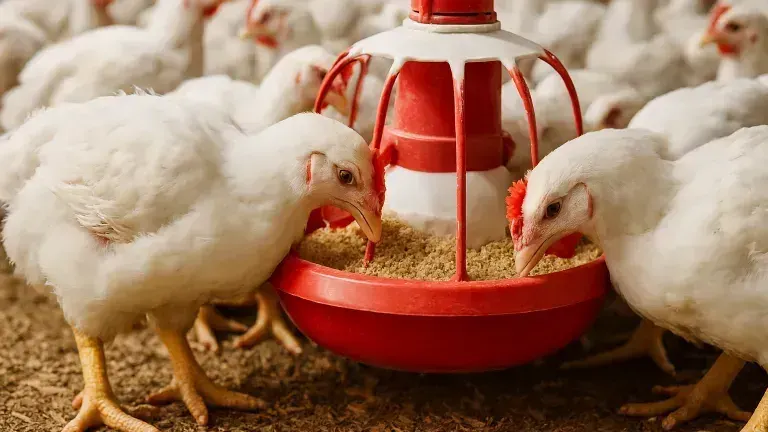
An article published in The Poultry Punch warns that mycotoxin-induced liver and kidney damage can prevent poultry from converting dietary Vitamin D₃ into its biologically active form, resulting in functional deficiency even when feed is adequately supplemented. The piece also profiles a plant-derived bioactive Vitamin D supplement, Avitriol, claimed to bypass the affected conversion pathway.
China's National Health Commission and State Administration for Market Regulation have jointly issued Announcement No. 6 of 2026, releasing 50 national food-safety standards and amendment sheets that span product specifications, additive purity, production controls and laboratory test methods. Feed and food ingredient businesses exporting to or operating in China must review each standard individually, as no single package-wide compliance deadline applies.
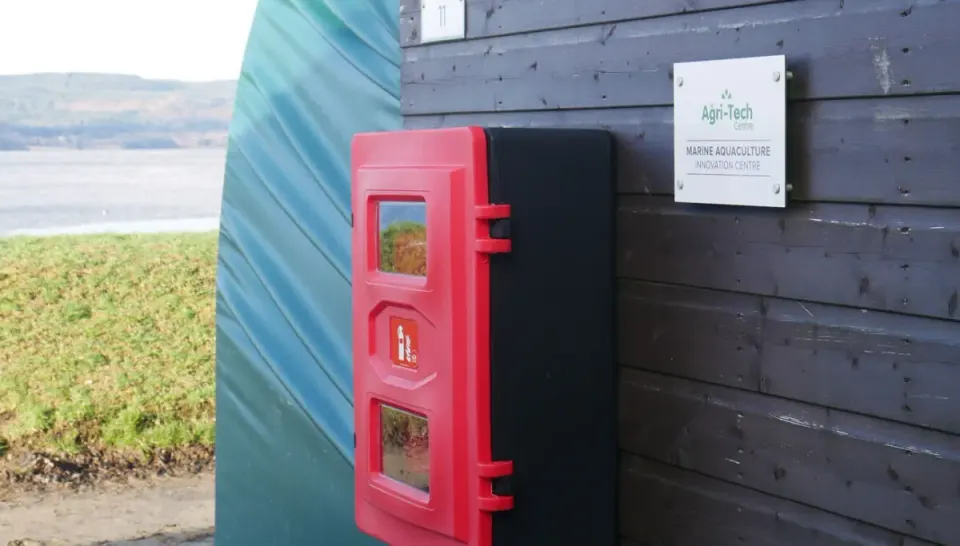
The UK Agri-Tech Centre has begun a formal redundancy consultation affecting up to 80 staff as it shifts strategy away from direct testing and towards a partner-led model, while insisting aquaculture remains central to its plans. The future of its co-owned Marine Aquaculture Innovation Centre (MAIC) at Otter Ferry Seafish in Argyll is under review, though Otter Ferry's managing director expects the facility to continue operating normally.
US on-highway diesel hit an all-time record of $6.53 per gallon in the week of 21 September 2026, coinciding with the harvest season. The Trump administration is weighing a range of targeted measures — including dyed-diesel distribution, state tax relief and voluntary refiner concessions — after setting aside a 90-day export ban that energy officials and industry warned would backfire. USDA projects 2026 farm fuel and oil spending at $21.6 billion, up 28.8% from 2025.
A peer-reviewed analysis of 2,479 RASFF mycotoxin notifications from 2020 to 2024 by University of Córdoba researchers finds that aflatoxins drove 84% of recorded cases, with nuts, seeds, and products of non-EU origin accounting for the largest shares. The study cautions against reading notification counts as direct measures of contamination prevalence, but highlights persistent risk in a narrow set of commodity groups relevant to feed and food ingredient buyers.
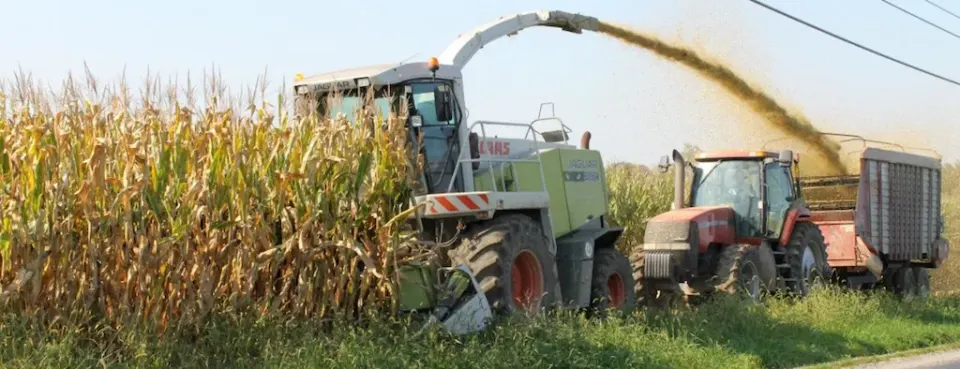
An Ohio State University Extension specialist says reports of Gibberella ear rot during the 2026 corn silage harvest indicate likely Deoxynivalenol (DON) and Zearalenone (ZEA) contamination, and urges dairy producers to sample feed now and again at feed-out, while reviewing storage and nutritional management practices to limit herd impacts.
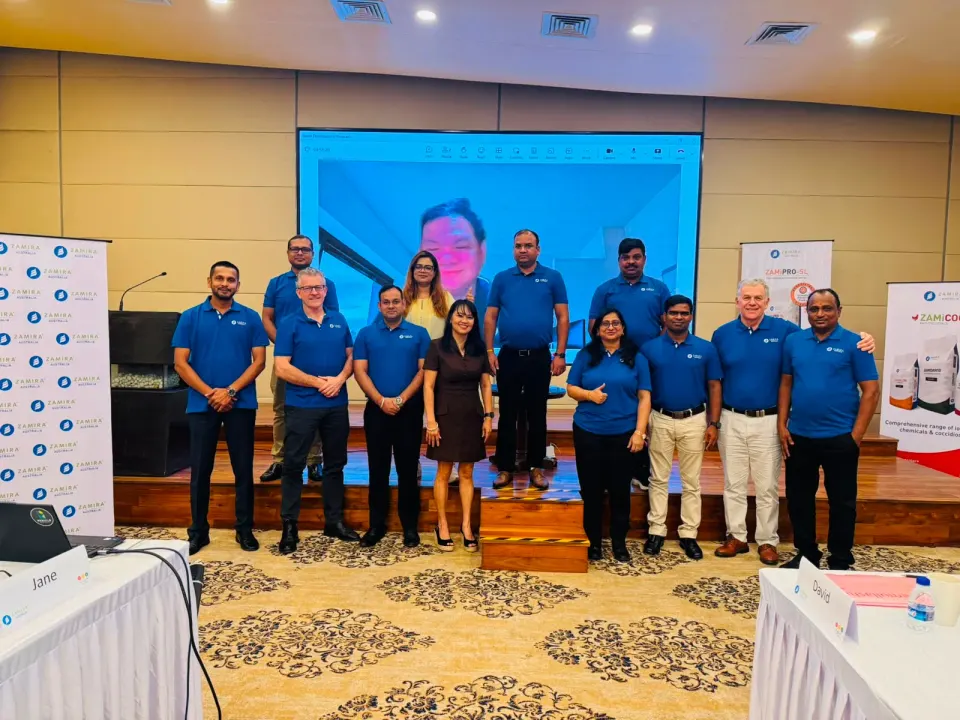
Animal nutrition company Zamira convened its South Asia team, global leadership, and channel partners for a three-day Annual Kick-Off Meeting in late July 2026, focusing on FY27 priorities, sales capability development, and technical training on its ZamiBoost product range.
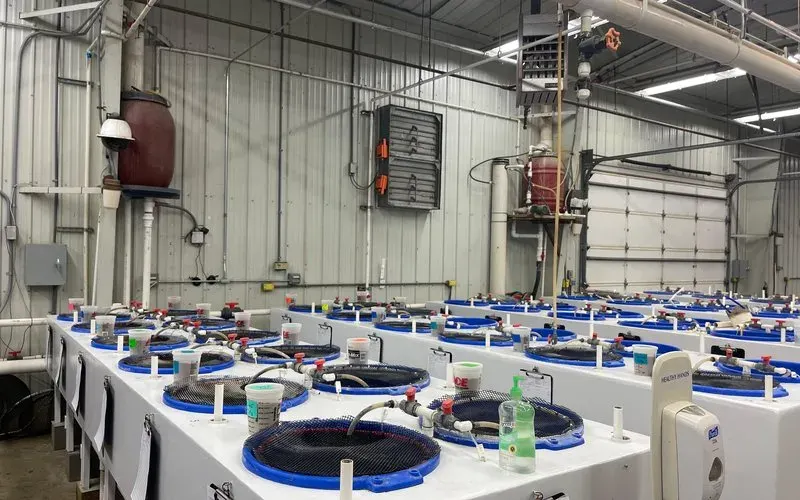
A multi-institution US study published in Aquaculture finds that adding 5% dried fish solubles to high-soybean meal diets significantly improved growth and selected fillet-quality traits in rainbow trout, with the effect driven primarily by increased voluntary feed intake rather than improved feed conversion.
Chicago corn futures rose on 21 September 2026, driven by trader positioning ahead of US–China talks that could unlock new Chinese grain purchases and by persistent Black Sea supply uncertainties. Gains were broad-based but moderate, with the market still awaiting concrete outcomes from the summit.