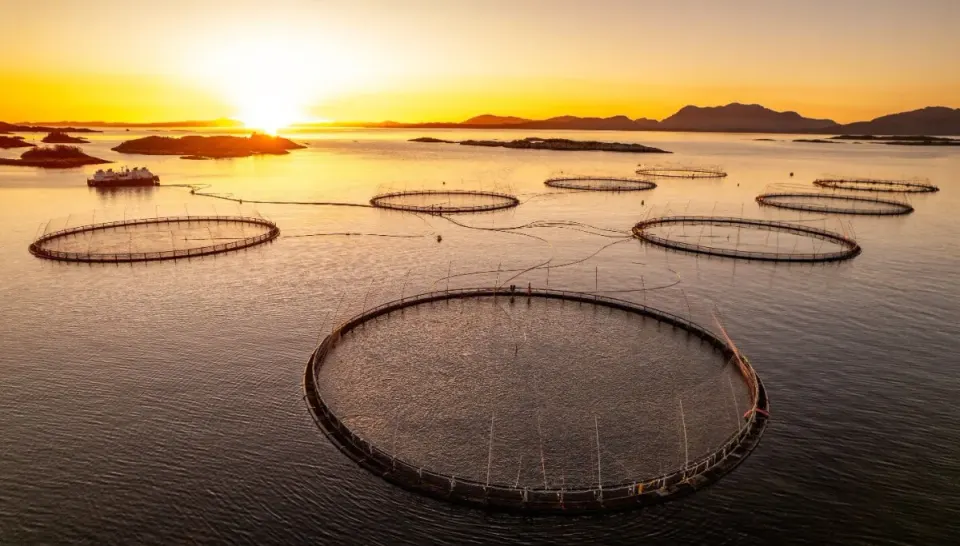
The Aquaculture Stewardship Council's 2025 Impact Report records close to 7,000 environmental and social improvements across its certified farm network, alongside growth in certified seafood production, a surge in feed mill certifications, and the introduction of a unified Farm Standard.
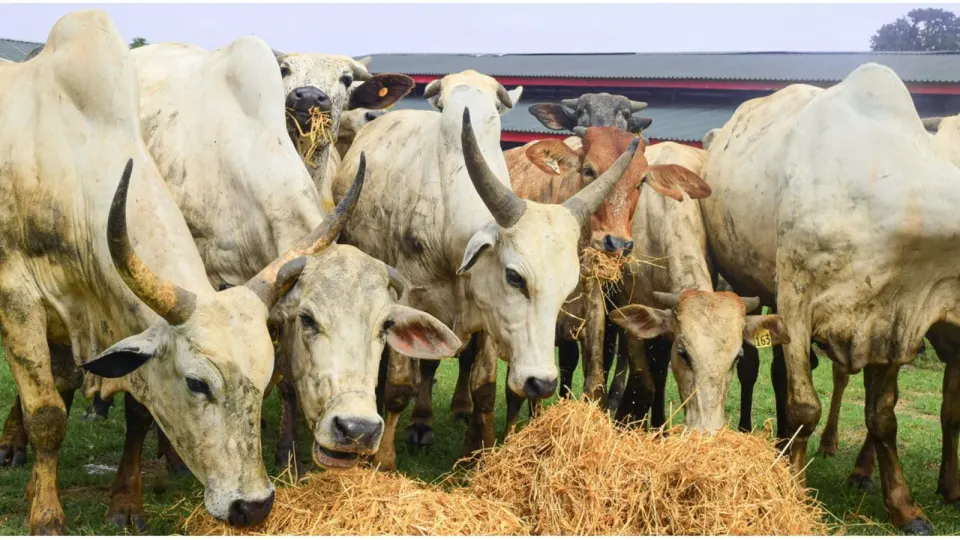
ZentraVet, a brand of Aaharsetu Agri Solutions Private Limited, has grown its distribution network to more than 250 distributors across India, with Bihar emerging as a key market supported by more than 50 distributors, as the company works to improve farmer access to feed supplements and livestock nutrition products.
Nigeria's Ministry of Livestock Development is in discussions with UNIDO on technical cooperation to establish a digital livestock identification and traceability system, with potential applications in animal health monitoring, product certification, export market access and combating livestock theft.
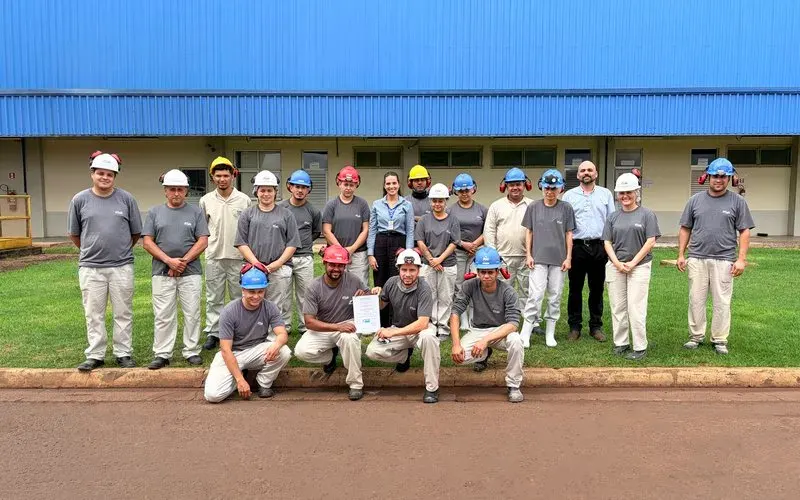
Brazilian cooperative C.Vale has become the first company in Brazil to receive Aquaculture Stewardship Council (ASC) Feed Standard certification for its tilapia feed plant, completing ASC coverage across all three stages of the tilapia production chain: feed manufacturing, fish farming, and industrial processing.
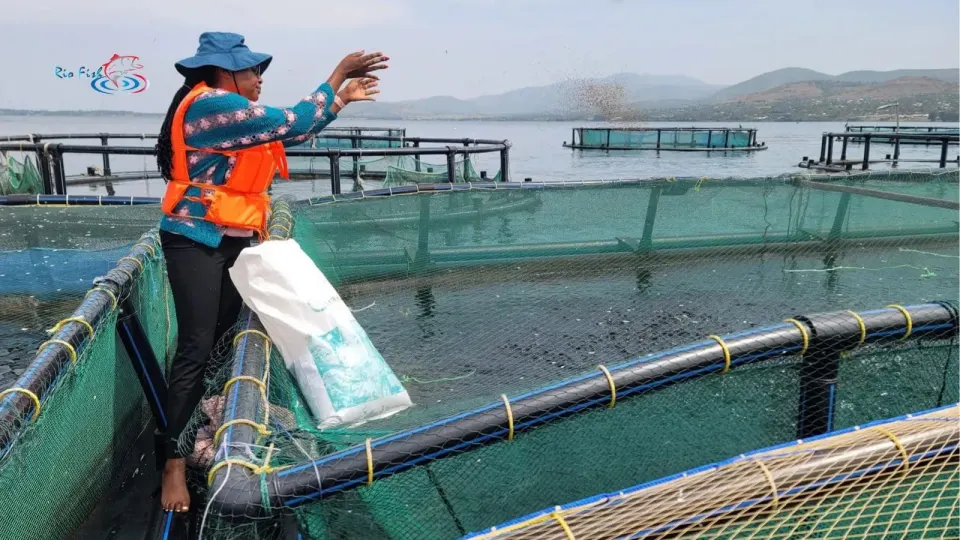
Ethical Seafood Research (ESR) has partnered with Kenyan tilapia producer Rio Fish on a 24-month collaboration to improve fish welfare standards, introduce welfare monitoring tools, develop better slaughter practices, and pursue Aquaculture Stewardship Council (ASC) certification — with the aim of extending those practices to Rio Fish's network of more than 1,500 farmers.
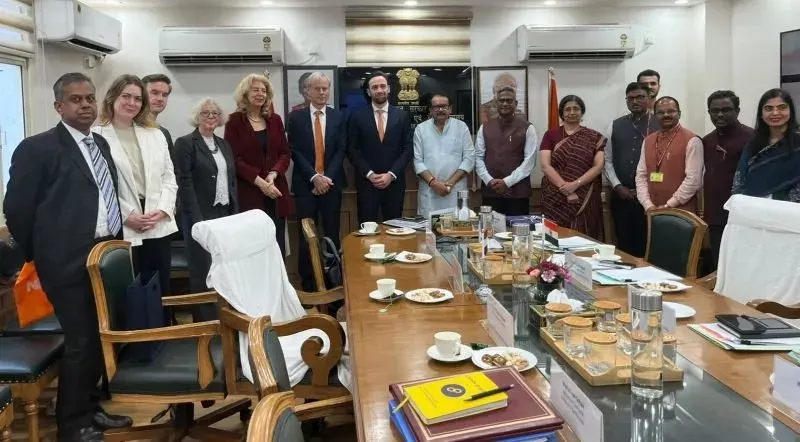
India and the Netherlands have agreed to set up an Indo-Dutch Centre of Excellence on Dairy Training at CEAH, Bengaluru, following a bilateral ministerial meeting that also covered animal nutrition, antimicrobial resistance, vocational training for farmers, and the exchange of a veterinary health certificate for live horse exports.
A peer-reviewed analysis of 2,479 RASFF mycotoxin notifications from 2020 to 2024 by University of Córdoba researchers finds that aflatoxins drove 84% of recorded cases, with nuts, seeds, and products of non-EU origin accounting for the largest shares. The study cautions against reading notification counts as direct measures of contamination prevalence, but highlights persistent risk in a narrow set of commodity groups relevant to feed and food ingredient buyers.
Corn futures pulled back toward technical support on September 23, 2026, erasing Monday's gains, while a USDA daily export sale to Mexico, a high-stakes Xi-Trump summit in Washington, a proposed U.S. diesel export ban, and a projected 70% surge in global biofuel output by 2030 combined to create a complex backdrop for feed-grain and oilseed markets.
ADM plans to enter the voluntary carbon removal market using credits from its corn processing complex in Columbus, Nebraska, which captures more than 800,000 tonnes of biogenic CO₂ per year. The credits will be certified by Puro.earth and are expected to be among the largest offerings of their kind, with initial issuance targeted by end of 2026.
A European Commission study completed in June 2026 estimates that feed demand for ten key farmed species in the EU grew from under 900,000 tonnes in 2013 to almost 1.1 million tonnes in 2023. The report identifies plant ingredients as now comprising the majority of material demand, while highlighting cost, scalability and regulatory hurdles facing alternative proteins and oils.
A European Commission study completed in June 2026 estimates that feed demand for ten key farmed species in the EU grew from under 900,000 tonnes in 2013 to almost 1.1 million tonnes in 2023, while identifying plant ingredients, cost, regulation and supply-chain exposure as central challenges for the sector's future.
The South American rendering industry convened in Mendoza, Argentina, for the Reunion of the Americas (REAM) on 8–10 September 2026. Discussions centred on tightening fishmeal supply, surging export demand for Brazilian animal protein meals, shifting trade conditions for low-carbon feedstocks, and the growing interconnection of regional rendered-product markets.