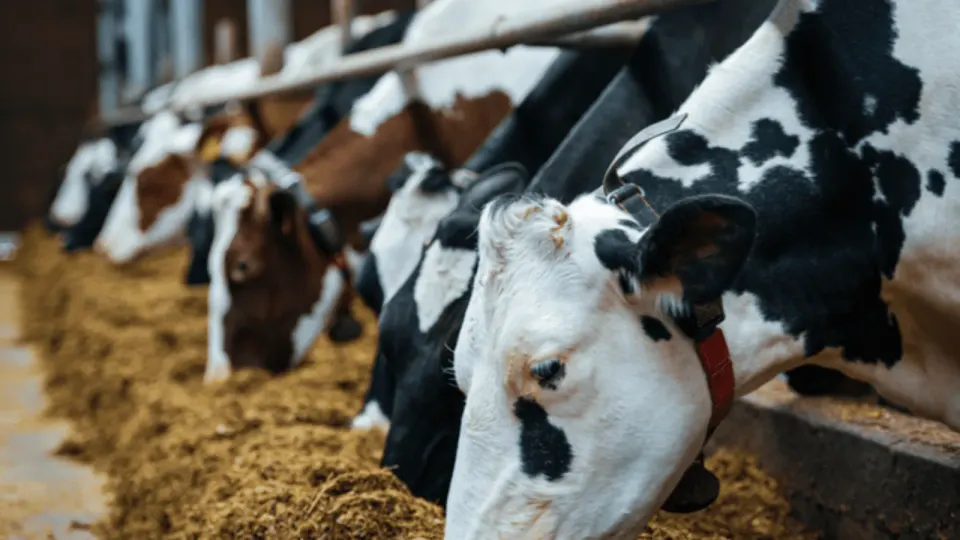
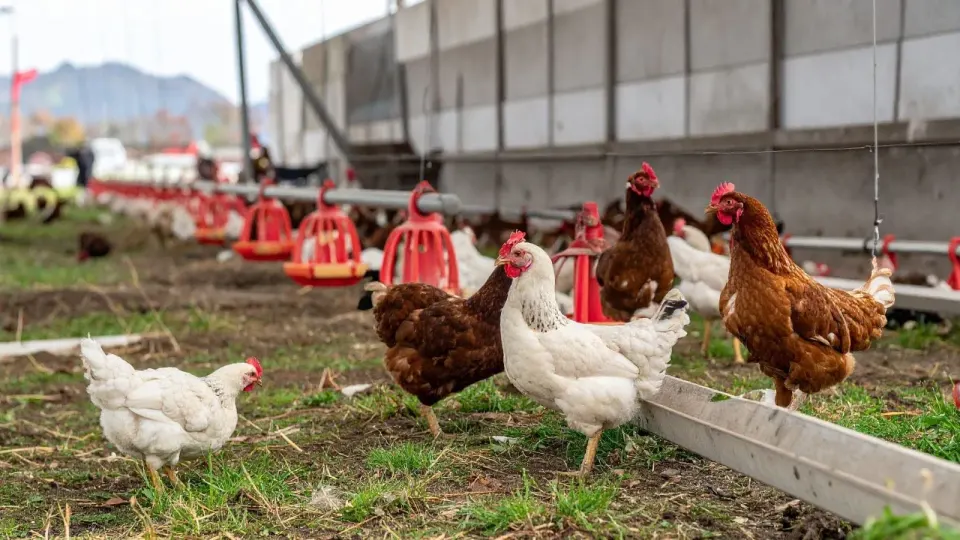
Animal feed prices in Bangladesh have climbed nearly 7% since early August 2026, driven by sharp rises in corn, soybean meal and rice bran costs. Feed mills say they are still absorbing losses despite two price increases, while poultry farmers are cutting production and protests have erupted in several districts.
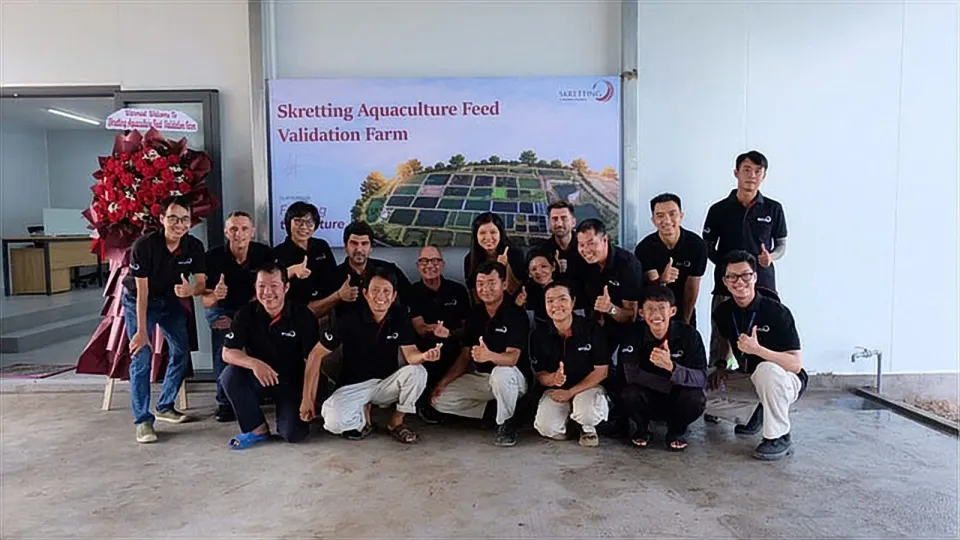
Skretting Vietnam has soft-launched a dedicated Aquaculture Feed Validation Farm designed to support structured feed research and product validation across fish and shrimp species, with potential reach across Southeast Asia and the company's global innovation network.
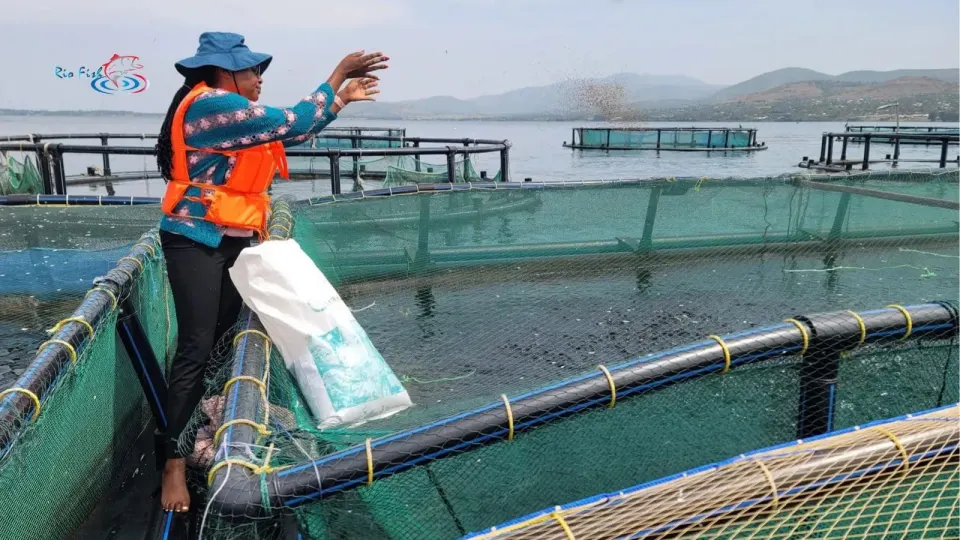
Ethical Seafood Research (ESR) has partnered with Kenyan tilapia producer Rio Fish on a 24-month collaboration to improve fish welfare standards, introduce welfare monitoring tools, develop better slaughter practices, and pursue Aquaculture Stewardship Council (ASC) certification — with the aim of extending those practices to Rio Fish's network of more than 1,500 farmers.
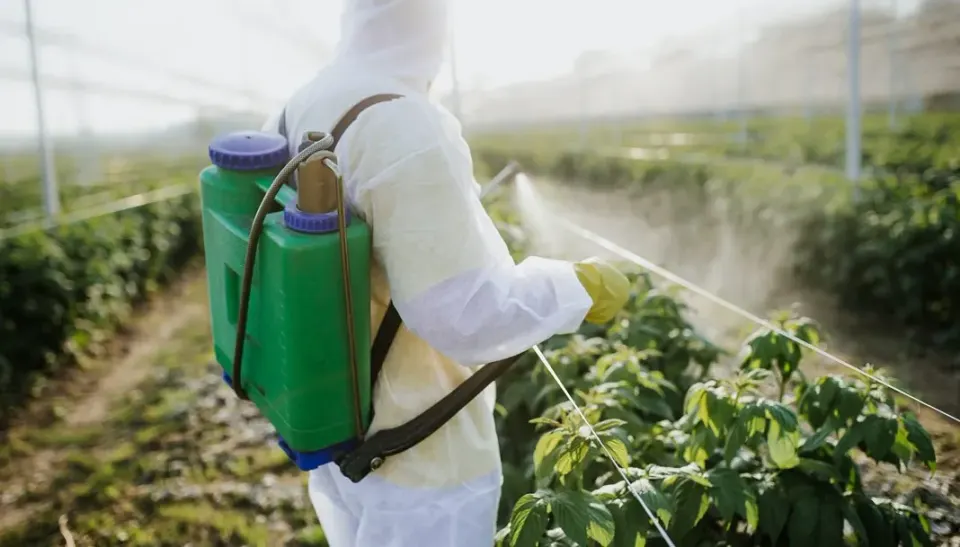
A European Commission proposal to lower maximum residue limits (MRLs) for pesticides not authorised in the EU could restrict market access for African agricultural exporters, including Kenya, South Africa, Egypt, Morocco and Uganda. A Joint Research Centre study published in August examined the potential economic impact across 235 commodities and 86 exporting countries. Kenya has raised the issue at the WTO, warning of shipment rejections and income losses for smallholder farmers. The proposal remains under consideration by the European Parliament and Council.
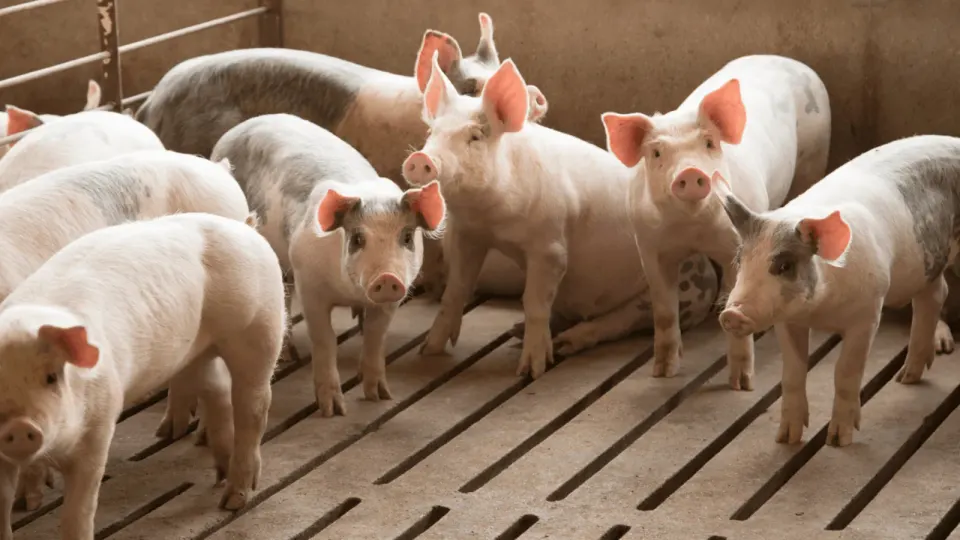
Nigerian authorities have called for an emergency response to an African swine fever outbreak in Ogun State, with a senior official urging coordinated action across veterinary bodies, state and federal government, including surveillance, movement controls, biosecurity and farmer compensation measures.
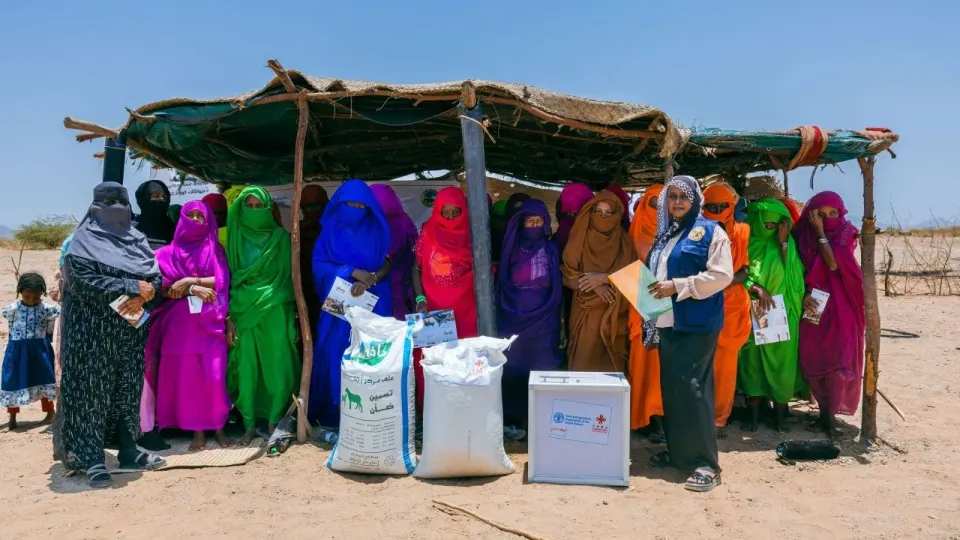
The UN Food and Agriculture Organization has distributed 100 tonnes of concentrated animal feed to 3,200 agropastoral households in Sudan's Red Sea State to protect livestock and sustain milk production amid drought-driven feed shortages, with the programme backed by US$2 million in emergency funding from the Government of China.
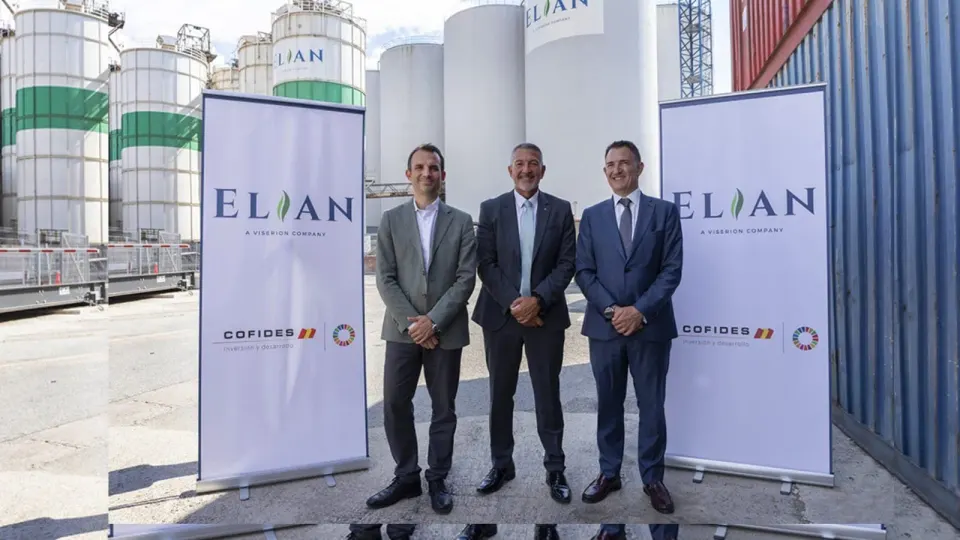
Spanish plant-based protein producer Elian has received a €40 million (US$45.66M) investment from Spain's state-owned COFIDES, giving the institution a 13.8% minority stake, as the company advances a broader €300 million expansion of its soy processing hub at the Port of Barcelona targeting completion in early 2028.
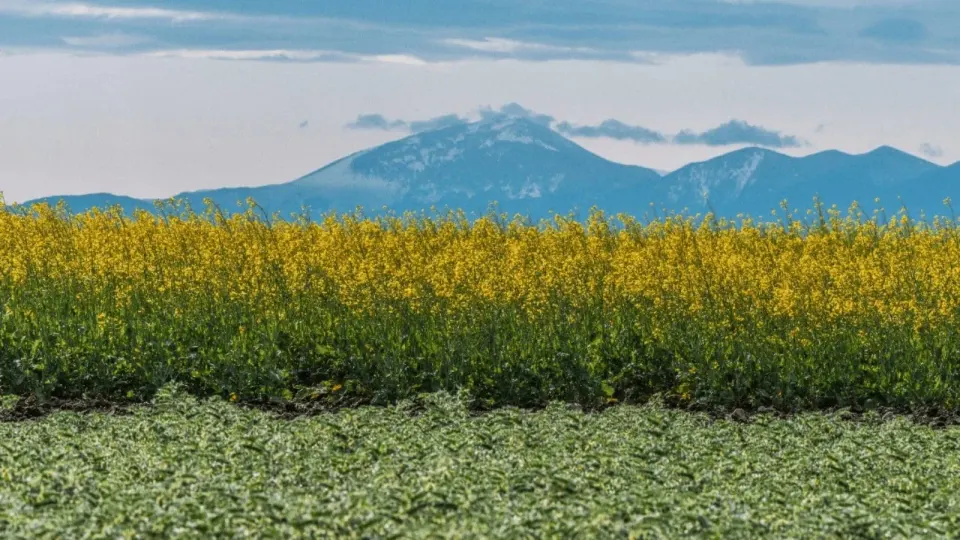
Bunge has entered a strategic commercial partnership with BASF to crush and process InVigor Gold, a canola-quality Brassica juncea hybrid seed bred for hotter, drier growing regions. Crushing is set to begin at Bunge's Warden, Washington facility, with initial commercial availability of the seed planned for Montana, North Dakota and Washington in 2027.
Côte d'Ivoire's poultry meat output has grown sixfold since 2010, reaching 139,000 tonnes in 2025 and driving rising demand for domestically produced maize and soybeans. Industry stakeholders meeting in Abidjan ahead of the Fieravicola 2027 trade fair called for stronger value-chain investment, improved animal health measures and technology partnerships with Italian companies to support further growth.
Argentina's 2026/27 wheat output is forecast to fall sharply from the previous season's record, while war-related disruptions continue to constrain Black Sea exports. Together, the two developments are tightening global high-quality wheat availability and pushing Chicago futures to a multi-year high, raising import costs for buyers in North Africa, the Middle East and Asia.
Ongoing shipping disruptions in the Black Sea and Red Sea are compelling wheat importers across Asia, the Middle East, and North Africa to source from more expensive origins such as the United States, Baltic states, Romania, Argentina, India, and Australia. Higher war-risk insurance premiums and freight costs are keeping physical wheat prices structurally elevated even as futures benchmarks have eased slightly from late-August highs, according to CMB News.
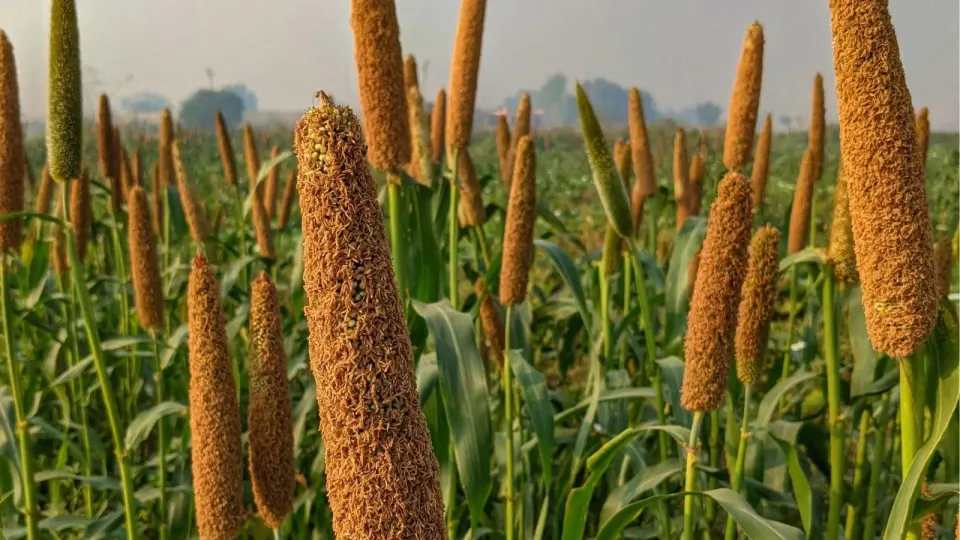
The Philippine Department of Agriculture is assessing millet as an alternative feed ingredient to corn, prompted by El Niño-related drought risks and a drive to lower livestock production costs, following Agriculture Secretary Francisco P. Tiu Laurel Jr.'s visit to India where the crop is widely used.