
What mycotoxin and contaminant testing protocols should feed mills implement following recent widespread food and feed ingredient recall events?
Recent regulatory updates, surveillance data, and recall patterns show feed mills need multi-mycotoxin panels, composite sampling, risk-tiered supplier controls, and HACCP integration. EU Commission Recommendation (EU) 2026/1801 sets tighter species-specific limits from July 2027. GMP+ raised aflatoxin risk ratings for Hungary, Ukraine, and Slovakia. RASFF data (2020–2024) confirm aflatoxins and imported nuts, seeds, and cereals as persistent hotspots. Co-contamination and subclinical effects make single-toxin or single-timepoint testing insufficient.

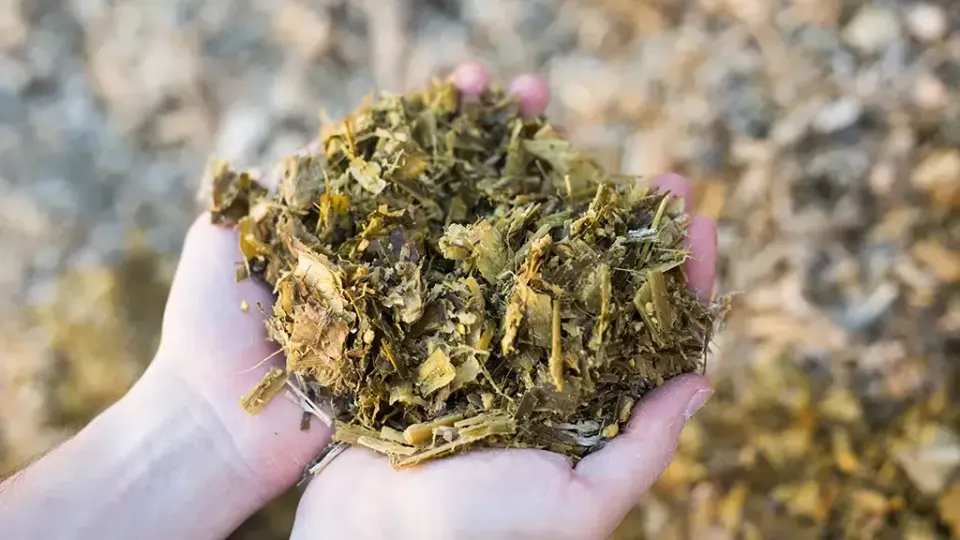
The core answer: test for multiple mycotoxins, sample representatively, and build it into HACCP
Feed mills should establish a systematic, multi-mycotoxin testing program covering at minimum deoxynivalenol (DON), zearalenone (ZEA), ochratoxin A (OTA), T-2/HT-2 toxins, and fumonisins — applied at intake, during storage, and at feedout — and those results should be formally integrated into the mill's HACCP system. One-off grab samples or single-toxin panels are insufficient given what recent data and regulatory developments show about co-contamination and subclinical risk.
Why multi-toxin panels matter: co-contamination and subclinical effects
Mycotoxins rarely appear alone. 2025 monitoring data from Latin America and Europe confirm that fusariotoxins such as DON, ZEA, and fumonisins are widespread, frequently found together, and increasingly influenced by climate variability. When several mycotoxins occur together, their effects can be synergistic — impairing gut integrity, immunity, feed conversion, and daily gain even when each individual toxin sits below its respective guidance value. The EU's new Commission Recommendation (EU) 2026/1801 explicitly recommends that testing for several mycotoxins be carried out to get a more complete picture of co-contamination. A comprehensive program should also include mold counts, silage fermentation quality, and pathogen indicators, since mold and mycotoxins do not always appear together.
Representative sampling is as critical as the analytical method
Lab results are only as reliable as the samples submitted. Mycotoxins form in concentrated pockets rather than spreading evenly through feed, so a single grab sample — or one taken only from visibly spoiled areas — can miss a problem entirely or misjudge its severity. Best practice is to collect many subsamples across bays, bunker silage, tower silos, or total mixed rations, mix them thoroughly, and ship them sealed, labeled, and cool. Testing should occur at harvest (to set a baseline), during storage (when heating and moisture can trigger mold growth), at feedout (when conditions change fastest), and whenever animal performance, intake, or health unexpectedly declines. Because mycotoxins persist through fermentation and storage, testing should be ongoing rather than a one-time check.
Regulatory changes: tighter EU limits from mid-2027
Commission Recommendation (EU) 2026/1801, published in 2026, introduces stricter, species-specific guidance values for DON, ZEA, OTA, T-2/HT-2 toxins, and fumonisins in raw materials and complete feed, replacing the previous 2006 and 2013 Recommendations. It will apply from 1 July 2027, with selected raw materials — maize, sorghum, soybean, sunflower, and their derived products — subject to a transition period until 1 October 2027. Example revised limits include 0.7 ppm DON for pigs, 0.5 ppm for aquatic animals, 0.1 ppm ZEA for piglets and gilts, and 0.01 ppm OTA for pigs, cats, dogs, and rabbits. Raw materials and final feeds exceeding these values shall only be placed on the market or used if explicit precautionary measures are in place to safeguard animal health. Feed mills should begin updating HACCP systems, supplier contracts, and analytical programs now.
Separately, preliminary EU Commission-services material discussed at the April 2026 Standing Committee meeting suggests future regulation may extend detailed sampling and analytical performance requirements to feed business operators themselves — not just official controls. Quality assurance teams should review whether their current workflows, from sampling and screening through documentation, are sufficiently robust and supported by validation evidence.
Risk-based supplier controls: adjust frequency by ingredient origin and commodity type
Not all ingredients carry equal risk. GMP+ International's 2026/2027 aflatoxin monitoring protocol has reclassified Hungary to high risk and raised Ukraine and Slovakia from low to medium risk for aflatoxin B1 in maize, effective 18 September 2026. Brazil, Serbia, and Bulgaria retain high-risk status. Mills sourcing maize or maize by-products from these origins should increase intake testing frequency immediately.
RASFF surveillance data for 2020–2024 (2,479 mycotoxin-related notifications) show aflatoxins accounted for 84% of cases and products originating outside the EU accounted for more than 90% of notifications. Nuts, nut products, and seeds represented 54% of all mycotoxin notifications; cereals and bakery products accounted for 10%. These commodity groups — particularly when sourced from Türkiye, the United States, India, Egypt, Iran, Argentina, or Pakistan — warrant tighter incoming material controls, supplier certificates of analysis, and independent verification testing. Ochratoxin A notifications rose from 44 in 2020 to 117 in 2024, though researchers caution this may partly reflect improved detection capacity rather than a straightforward increase in contamination.
Traceability and HACCP integration
Testing data only creates value if it connects to action. Traceability determines how narrowly a business can contain a failure: batch identities, supplier records, certificates, intake results, warehouse locations, and production-use records all need to align if affected stock is to be isolated without unnecessarily holding unaffected material. Mills should integrate revised EU guidance values into their HACCP hazard analysis as critical limits at relevant critical control points, maintain full lot-level records, and ensure that when raw materials exceed guidance values, findings are communicated clearly to downstream customers. GMP+ participants are also encouraged to upload analysis results to the GMP+ Monitoring database to support community-wide risk reclassification.
What depends on your specific situation
The appropriate testing panel, sampling frequency, and critical limits will vary by species fed (susceptibility differs significantly between pigs, poultry, aquatic animals, and ruminants), production stage (young and high-performance animals are particularly vulnerable), and the origin and commodity mix of raw materials purchased. The evidence does not settle which rapid screening platforms best fit every mill's throughput and budget — that depends on confirmatory laboratory relationships and internal QA capacity. Mills operating under GMP+ certification should consult TS1.7 and TS1.5 directly for applicable limits and reporting unit requirements.
Prepared with AI assistance by Endata and reviewed by the editorial team.
Sources
- Mycotoxin testing in dairy feed: why your sampling process matters - FeedworksUSA
- EU Commission Recommendation introduces lower mycotoxin guidance values - Biochem
- From 2025 Data to 2026 Decisions: Managing Mycotoxin Risk in a Changing Climate
- GMP+ International | Protocol Monitoring Aflatoxin B1 in maize and by-products of maize - Harvest 2026/2027
- RASFF study maps persistent EU mycotoxin risks - IN Food
- Analysis of EU RASFF Data Finds Aflatoxins, Imported Foods Lead Mycotoxin-Related Notifications | Food Safety Magazine
- The EU Is Expected to Close a Gap in Mycotoxin Controls. Here’s What It Means for Food Businesses. | FoodExecutive.com