Loading…
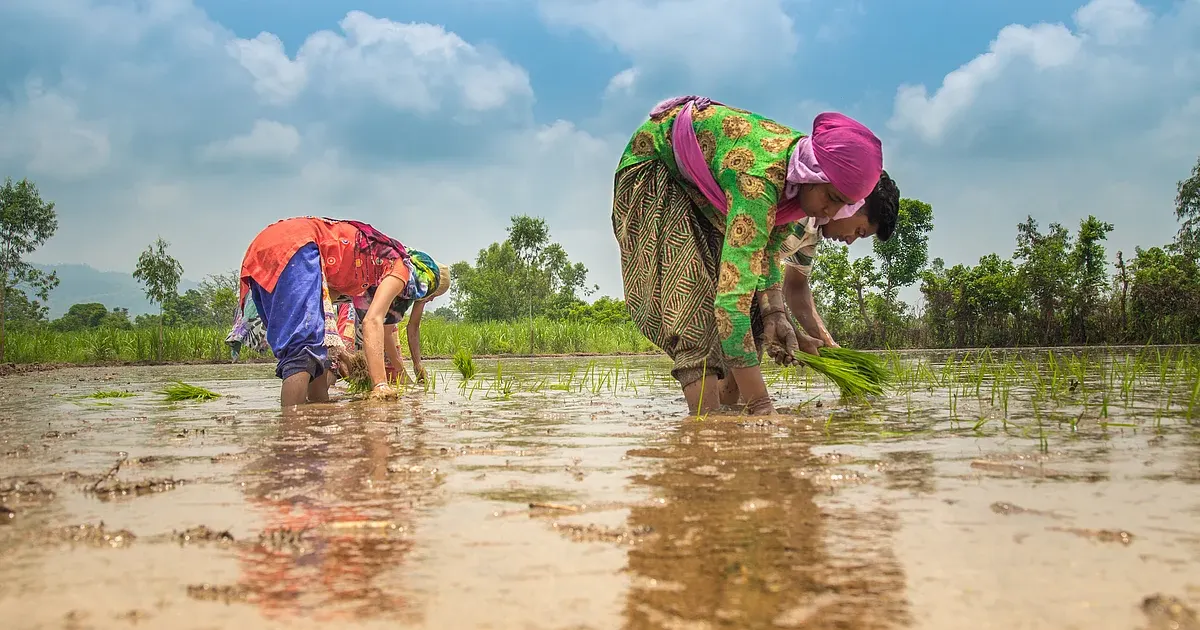
An IFAD report released at COP31 estimates that El Niño could cause $11 trillion in global income losses over five to six years and worsen food insecurity. It says the 2026–27 event could peak between October 2026 and January 2027, with drought risks in southern Africa and vulnerabilities in rice-producing parts of South and Southeast Asia; cited estimates suggest 49 million more people could face acute food insecurity by the end of 2027.
Drought and other climate shocks could reduce crop output in key producing regions, tightening supplies and supporting prices for affected crops, including rice and grains. The report also highlights that coordinated support for farm inputs, markets and finance could mitigate income losses.
 downtoearth.org.inShagunNov 11, 2026
After 179 past bullish weather events, Rough Rice moved a median +0.4% over 5 sessions (55% higher; middle half -1.4% to +2.5%), and +2.2% over 20.
After 1,465 past bullish weather events, Corn moved a median +0.2% over 5 sessions (54% higher; middle half -1.4% to +1.9%), and +0.9% over 20.
After 1,079 past bullish weather events, Soybeans moved a median +0.3% over 5 sessions (54% higher; middle half -1.4% to +2.0%), and +0.9% over 20.
After 1,072 past bullish weather events, Wheat (SRW) moved a median +0.2% over 5 sessions (55% higher; middle half -1.4% to +2.3%), and +0.3% over 20.
Moves of each commodity's benchmark from the last close before the event. Historical reads pool past events of the same kind; they describe what happened, not what will. Not investment advice.
