Loading…
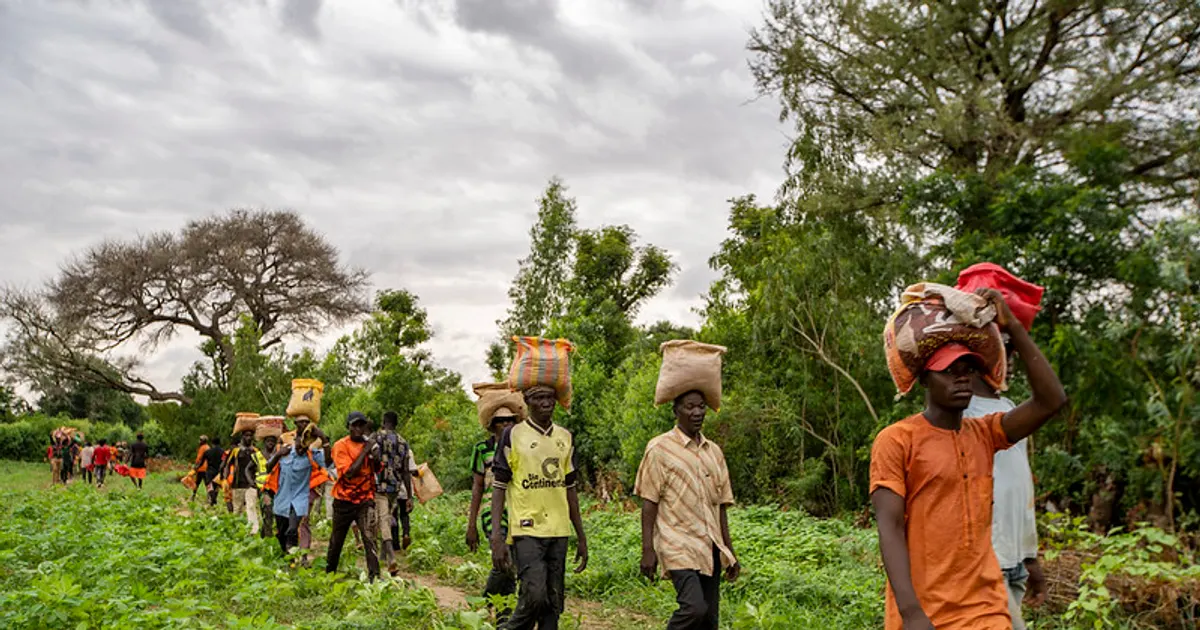
FAO has called for immediate global action ahead of La Niña, which is expected between September and November 2024 and to persist into early 2025. Its Anticipatory Action and Response Plan targets around 282 million people already facing acute food insecurity.
The plan follows a strong 2023-2024 El Niño that affected over 60 million people.
La Niña typically brings drier conditions to South America and wetter conditions to Southeast Asia, which can affect soy, corn and palm oil supplies. The main effect for feed buyers is a possible tightening of South American crops, though this is a humanitarian appeal rather than a direct price trigger.
 fao.orgSep 20, 2024
After 1,465 past bullish weather events, Corn moved a median +0.2% over 5 sessions (54% higher; middle half -1.4% to +1.9%), and +0.9% over 20.
After 1,079 past bullish weather events, Soybeans moved a median +0.3% over 5 sessions (54% higher; middle half -1.4% to +2.0%), and +0.9% over 20.
After 19 past neutral weather events, Palm Oil moved a median +0.2% over 5 sessions (53% higher; middle half -0.4% to +1.1%), and +2.4% over 20.
Moves of each commodity's benchmark from the last close before the event. Historical reads pool past events of the same kind; they describe what happened, not what will. Not investment advice.
