Loading…
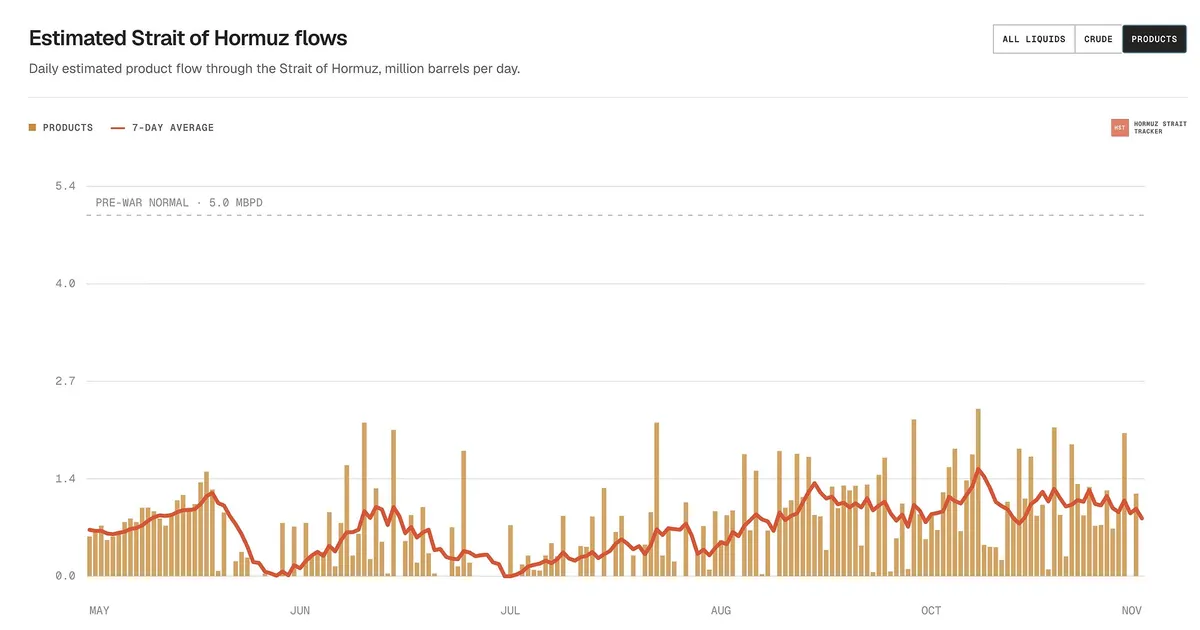
Energy futures fell as diplomatic developments and easing supply outages reduced the war premium, while the EIA forecast tight refined-fuel supplies through the end of 2027 and raised its 2027 U.S. retail diesel forecast by 54 cents to $5.03 per gallon. Brent, WTI, gasoil and heating oil prices declined; the article also says USDA's WASDE report lifted soybean oil, widening the soybean-oil/gasoil spread and pushing the renewable-diesel crush margin below $1 per gallon.
Lower crude and gasoil prices can reduce feedstock-linked energy costs, while stronger soybean oil raises the value of the oil component of soybeans and can support crush economics. The article reports offsetting forces, so the direct feed-commodity price signal is mainly bullish for soybean oil.
 globalbiodiesel.comHenri BardonNov 10, 2026
After 296 past bullish report events, Soybean Oil moved a median -0.0% over 5 sessions (49% higher; middle half -1.8% to +2.0%), and -0.5% over 20.
After 129 past bearish report events, Crude Oil (Brent) moved a median -1.3% over 5 sessions (45% higher; middle half -3.9% to +2.5%), and +0.4% over 20.
After 171 past bearish report events, Crude Oil (WTI) moved a median -1.5% over 5 sessions (37% higher; middle half -4.8% to +1.9%), and -0.9% over 20.
After 86 past bearish report events, ULSD / Diesel moved a median -0.9% over 5 sessions (37% higher; middle half -4.3% to +0.9%), and +0.4% over 20.
Moves of each commodity's benchmark from the last close before the event. Historical reads pool past events of the same kind; they describe what happened, not what will. Not investment advice.
