Loading…
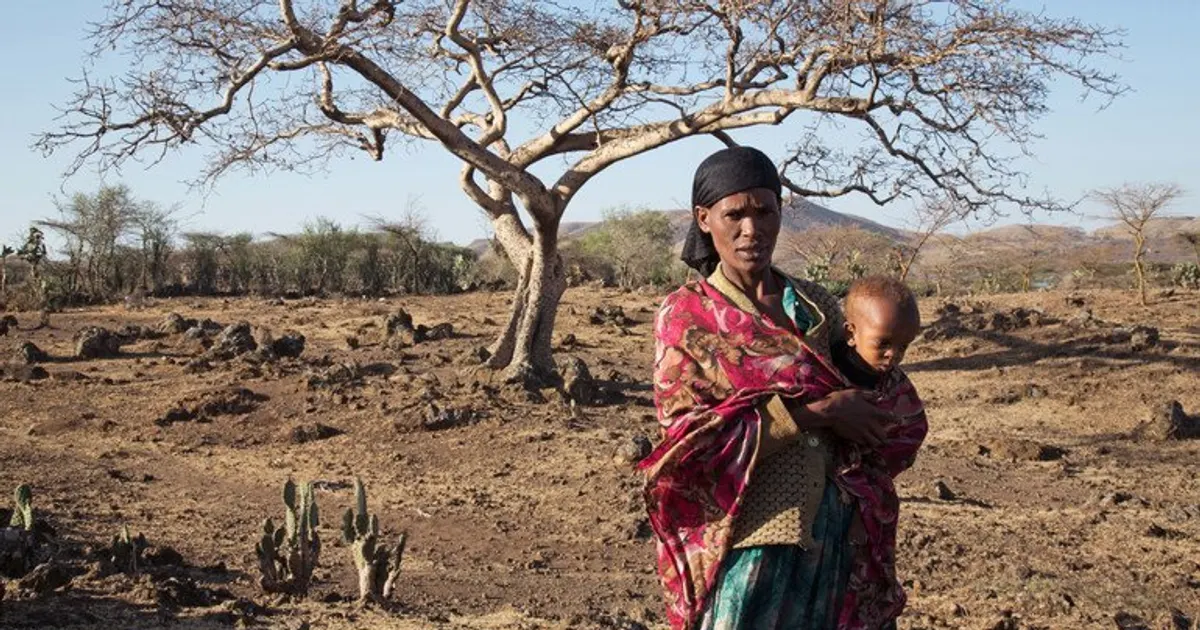
The World Meteorological Organization said on May 3, 2023 that an El Niño event is increasingly likely, with an estimated 80% chance of developing between July and September. It warned of possible new global temperature records and extreme weather, including threats to food security.
The WMO said the eight years from 2015 to 2022 were the warmest on record.
A developing El Niño raises the risk of drought in key producing regions, which could tighten grain and oilseed supplies and support prices later in the year. The impact on specific crops remains uncertain.
 news.un.orgOCHA/Charlotte CansMay 3, 2023
After 2,467 past weather events, Corn moved a median +0.1% over 5 sessions (51% higher; middle half -1.5% to +1.7%), and +0.6% over 20.
After 1,964 past weather events, Soybeans moved a median +0.1% over 5 sessions (51% higher; middle half -1.7% to +1.8%), and +0.3% over 20.
After 1,773 past weather events, Wheat (SRW) moved a median +0.1% over 5 sessions (52% higher; middle half -1.5% to +2.1%), and +0.2% over 20.
After 361 past weather events, Palm Oil moved a median +0.0% over 5 sessions (51% higher; middle half -1.3% to +1.3%), and -0.2% over 20.
Moves of each commodity's benchmark from the last close before the event. Historical reads pool past events of the same kind; they describe what happened, not what will. Not investment advice.
