Loading…
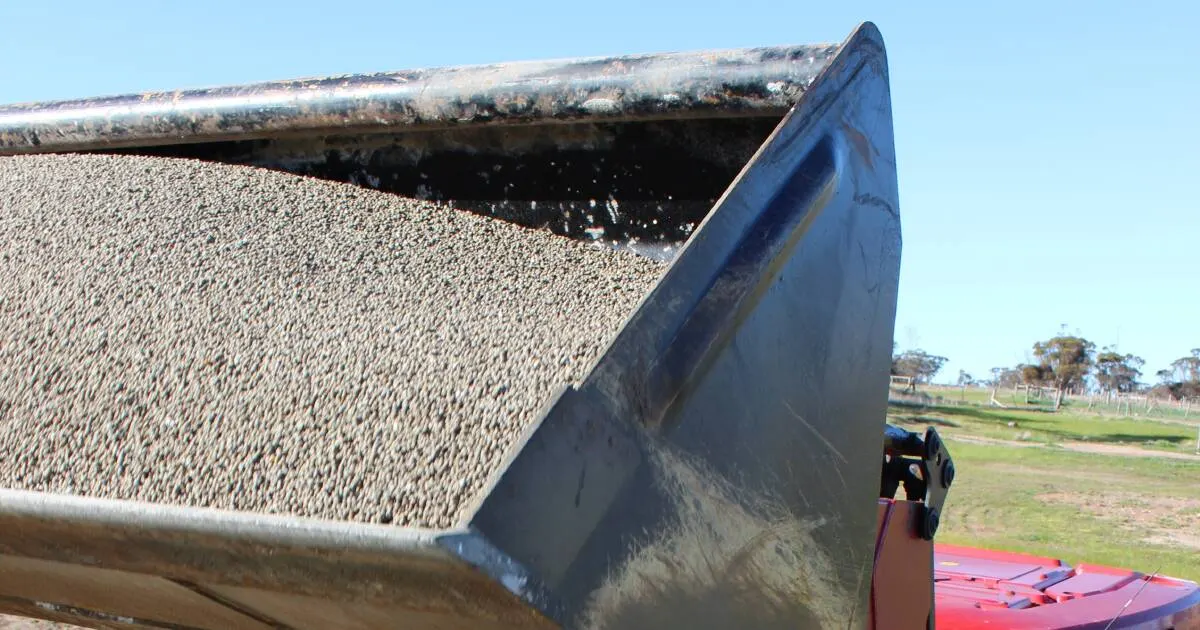
CSBP says nitrogen, phosphate and potash prices are easing from recent highs as China returns to the international market. Chinese suppliers in Indian urea tenders have limited other exporters' ability to push prices higher.
Pakistan and India are also buying urea, with supply expected from the Middle East, Southeast Asia and possibly Russia.
Renewed Chinese export supply and tender competition put downward pressure on urea, and phosphate and potash prices are following. Lower fertilizer costs can ease feed-grain production costs over time.
 farmweekly.com.auShannon BeattieOct 28, 2022
After 81 past bearish trade events, UREA moved a median -1.0% over 5 sessions (28% higher; middle half -7.2% to +0.4%), and -5.5% over 20.
After 40 past bearish trade events, DAP moved a median -0.1% over 5 sessions (38% higher; middle half -3.7% to +0.5%), and -2.4% over 20.
Not enough comparable past events yet for a historical read.
Moves of each commodity's benchmark from the last close before the event. Historical reads pool past events of the same kind; they describe what happened, not what will. Not investment advice.
China's return to Indian urea tenders capped other exporters' pricing power and added supply, with buying from Pakistan and India not enough to offset it, so urea prices fell.
China's return to export markets and Chinese suppliers in Indian tenders cap other exporters' pricing power, adding supply-side downward pressure on urea.
