A peer-reviewed study in the journal Animals finds that soybean variety, growing location, crop year, and relative maturity can materially shift crude protein and amino acid profiles in southern Illinois soybeans, altering modeled soybean meal quality and livestock diet formulation outcomes for both ruminants and non-ruminants.
The Swine Health Information Center (SHIC), a key U.S. emerging-disease surveillance body for the pork sector, will be integrated into the National Pork Board by year-end 2026 after both producer-led boards approved the move. SHIC's disease monitoring, research, and rapid-response functions are expected to continue without interruption, though the transition raises questions about scientific independence and the speed of response operations inside a larger institution.
A study published 24 September 2026 in the journal Animals reports that feeding whole hemp seeds to Holstein–Friesian bulls at a 10% concentrate inclusion rate raised zinc, magnesium, iron, retinol, and α-tocopherol in muscle tissue and improved the ratio of unsaturated to saturated fatty acids, though higher inclusion at 17% produced little additional benefit and neither level increased long-chain omega-3 PUFA concentrations.
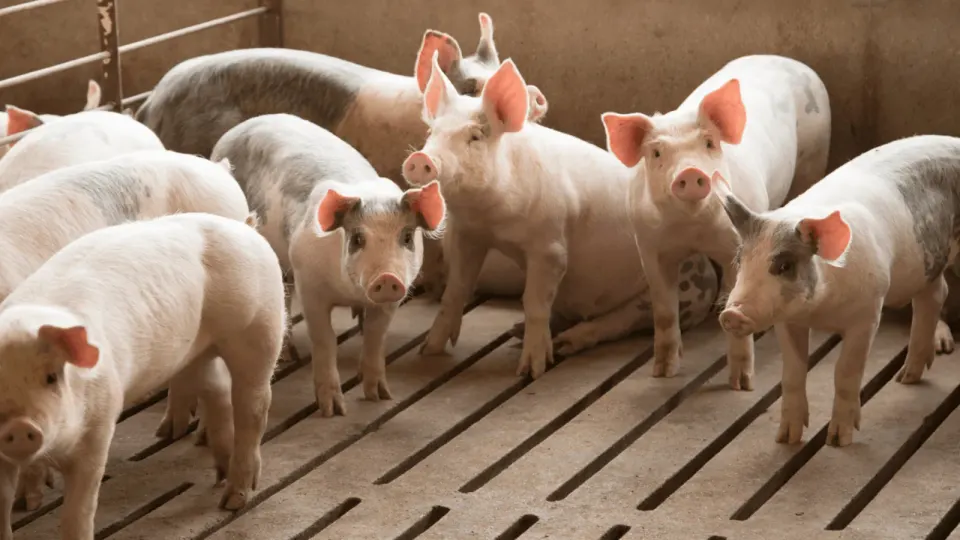
Nigerian authorities have called for an emergency response to an African swine fever outbreak in Ogun State, with a senior official urging coordinated action across veterinary bodies, state and federal government, including surveillance, movement controls, biosecurity and farmer compensation measures.
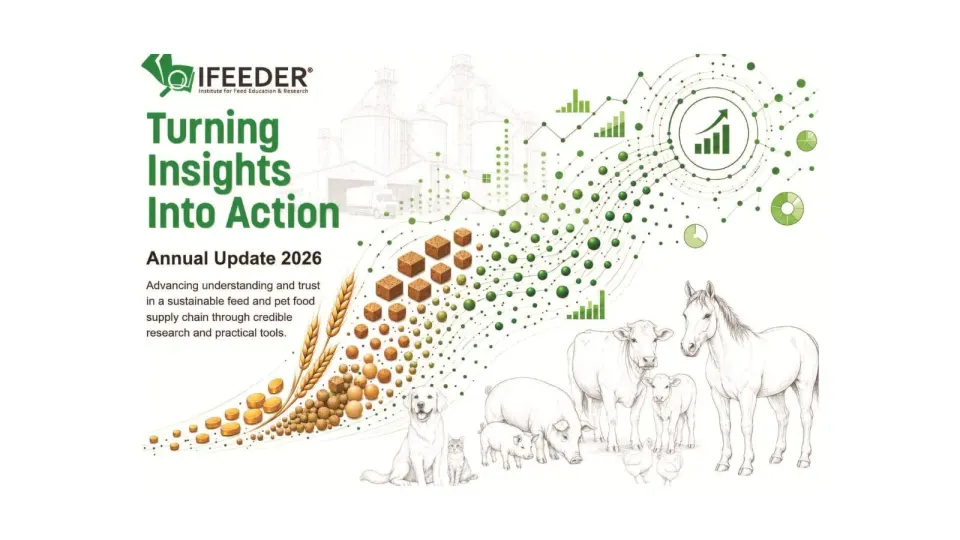
The Institute for Feed Education & Research (IFEEDER) has released its 2026 annual update alongside a five-year strategic plan aimed at expanding research, education and industry partnerships to build a more resilient animal feed and pet food supply chain in the United States.
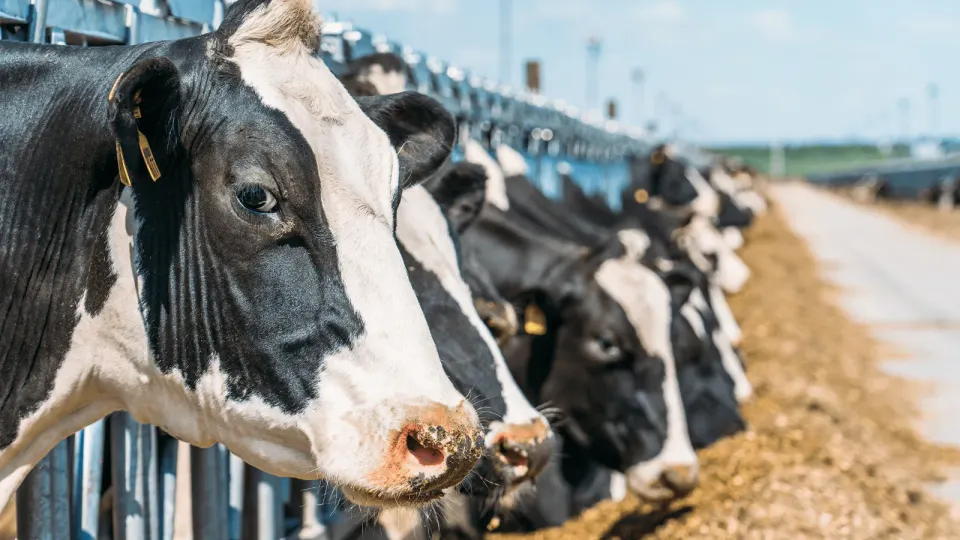
IFF has introduced Omni-Bos™ PHY, a phytase enzyme developed specifically for dairy cattle, with initial commercial launches planned across the Middle East, Africa and Asia-Pacific. The product is designed to remain active in the abomasum and targets the longstanding limitation of conventional phytases in ruminant nutrition.
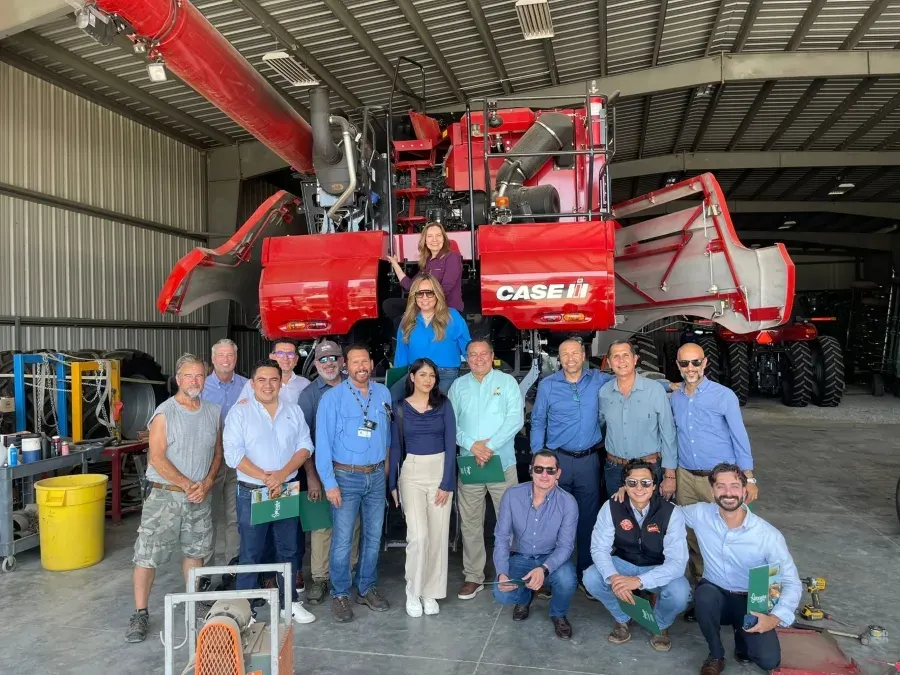
The U.S. Grains & BioProducts Council escorted a Mexican buying group representing the dairy, cattle, swine, poultry and white corn sectors on a tour of Iowa, Nebraska and Kansas in early September 2026 to develop direct sourcing relationships with cooperatives, elevators and rail stakeholders. The group collectively purchases around 400,000 metric tons of U.S. corn and 80,000 metric tons of DDGS annually.