The number of suspected food fraud cases shared between European countries dropped to 165 in August 2026, down from 207 in July, though the figure was similar to the 166 recorded in August 2025, according to Food Safety News.
The United States and China have agreed to pursue reciprocal tariff reductions covering $60 billion worth of goods, including US corn, wheat and meat as well as Chinese consumer products, following a presidential summit in Washington. Non-seed soybeans — the largest US agricultural export to China — were excluded from China's list, prompting criticism from the American Soybean Association and a sharp drop in Chicago soybean futures. The two sides also extended their trade truce through to 10 January and agreed on an agriculture working group.
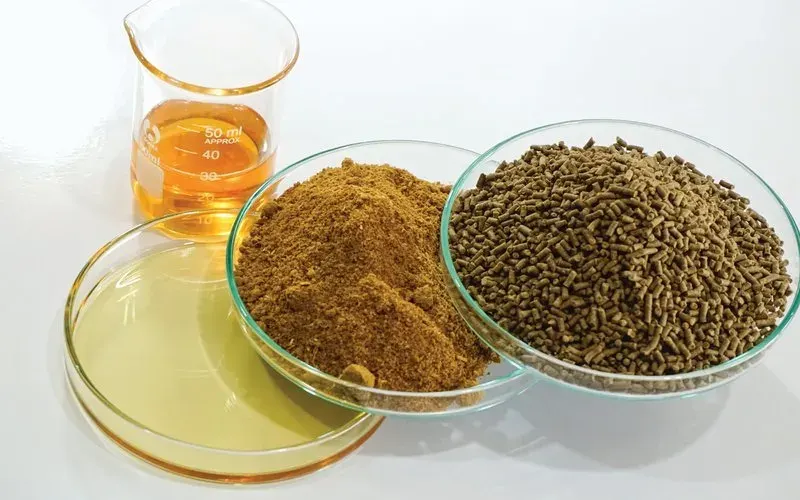
A peer-reviewed study by researchers from the University of Porto, CIIMAR, and the University of Florence, in collaboration with EPAX®, found that fatty acid ethyl ester (FAEE) oil — a byproduct of omega-3 supplement production — can completely replace fish oil in juvenile European seabass diets without impairing growth, feed utilization, or nutrient digestibility. However, the substitution significantly reduced muscle DHA levels, pointing to a potential nutritional quality trade-off that may require mitigation.
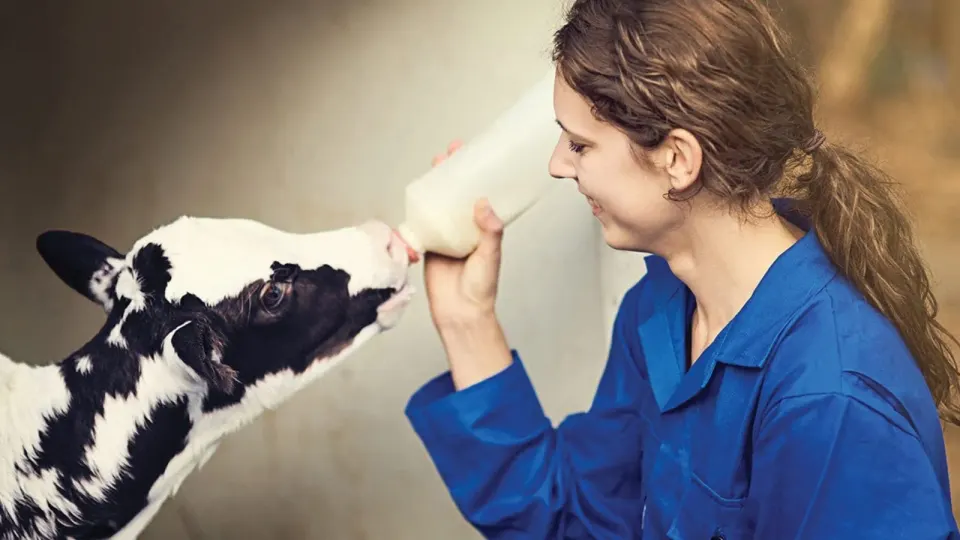
Lallemand Animal Nutrition has launched SMART GROWS, an integrated young-ruminant programme combining milk replacers, nutritional supplements, microbial solutions, bedding and farm-management support to improve calf health and resilience from birth through weaning.
NRGene Canada and Ile-a-la-Crosse Fish Company have validated a black soldier fly feed recipe built around local fish processing byproducts at semi-industrial scale, producing larvae containing marine omega-3 fatty acids EPA and DHA for use as a poultry feed supplement.
A study published 24 September 2026 in the journal Animals reports that feeding whole hemp seeds to Holstein–Friesian bulls at a 10% concentrate inclusion rate raised zinc, magnesium, iron, retinol, and α-tocopherol in muscle tissue and improved the ratio of unsaturated to saturated fatty acids, though higher inclusion at 17% produced little additional benefit and neither level increased long-chain omega-3 PUFA concentrations.
A peer-reviewed study published September 24, 2026, in Animals (MDPI) evaluated rumen-protected glycine, methionine, and a combination of both in low-protein diets fed to Yudong black goats, assessing effects on growth, slaughter performance, meat quality, and rumen microflora.
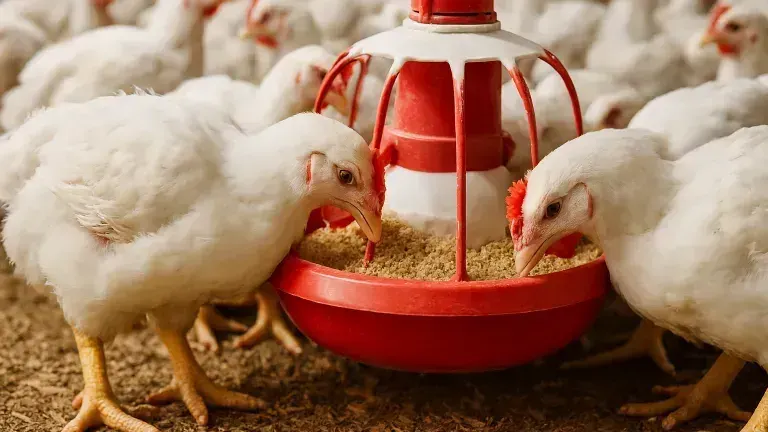
An article published in The Poultry Punch warns that mycotoxin-induced liver and kidney damage can prevent poultry from converting dietary Vitamin D₃ into its biologically active form, resulting in functional deficiency even when feed is adequately supplemented. The piece also profiles a plant-derived bioactive Vitamin D supplement, Avitriol, claimed to bypass the affected conversion pathway.
China's National Health Commission and State Administration for Market Regulation have jointly issued Announcement No. 6 of 2026, releasing 50 national food-safety standards and amendment sheets that span product specifications, additive purity, production controls and laboratory test methods. Feed and food ingredient businesses exporting to or operating in China must review each standard individually, as no single package-wide compliance deadline applies.
German animal nutrition company Biochem has completed the acquisition of a 7,000-square-metre property adjacent to its Lohne headquarters, including an existing 1,350-square-metre warehouse, as part of a long-term site development strategy for its feed additives and dietary supplements business.
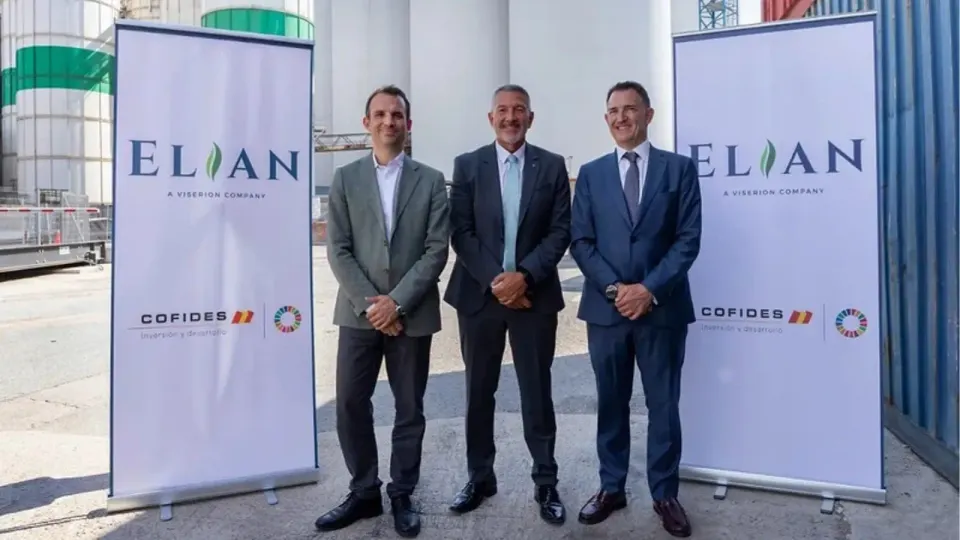
Spanish plant-based protein producer Elian has received a €40 million (US$45.66 million) minority equity investment from Spain's COFIDES to expand its integrated soybean processing facility at the Port of Barcelona, which is expected to add more than 100,000 tonnes of annual protein ingredient capacity for animal feed and food by early 2028.
A multi-institution US study published in Aquaculture finds that adding 5% dried fish solubles to high-soybean meal diets significantly improved growth and selected fillet-quality traits in rainbow trout, with the effect driven primarily by increased voluntary feed intake rather than improved feed conversion.