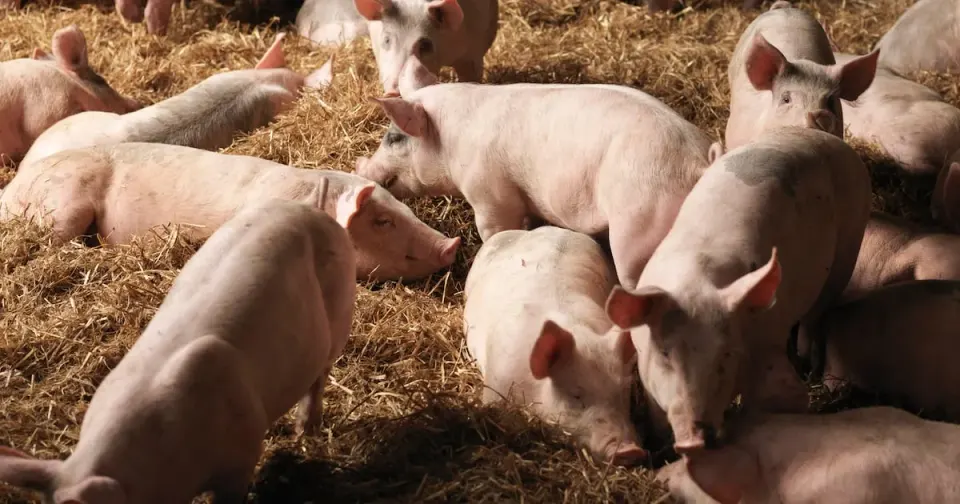
A review by Chinese researchers finds Lactobacillus acidophilus is one of the most promising alternatives to antibiotic growth promoters in livestock, with the clearest benefits seen in weaned piglets. However, the authors warn that translating laboratory findings into consistent commercial farm results remains a significant challenge, and call for more large-scale on-farm trials.
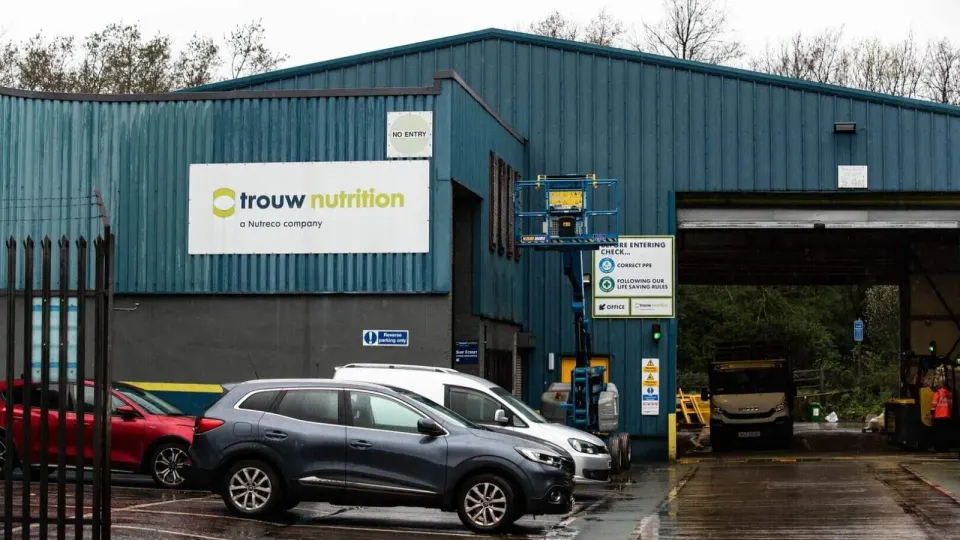
Trouw Nutrition has permanently closed its Ship Street pre-mix manufacturing facility in Belfast, ending production on 30 September 2026 and resulting in 29 redundancies. The Dutch animal-nutrition company says it will continue to serve the Irish market through its Great Britain and European plants, while retaining commercial, sales, and technical teams at its Belfast headquarters.
The U.S. hemp industry is looking to animal feed as a potential outlet for surplus biomass and processing byproducts, with research showing nutritional promise but cannabinoid residue concerns and fragmented regulation continuing to limit commercial uptake.
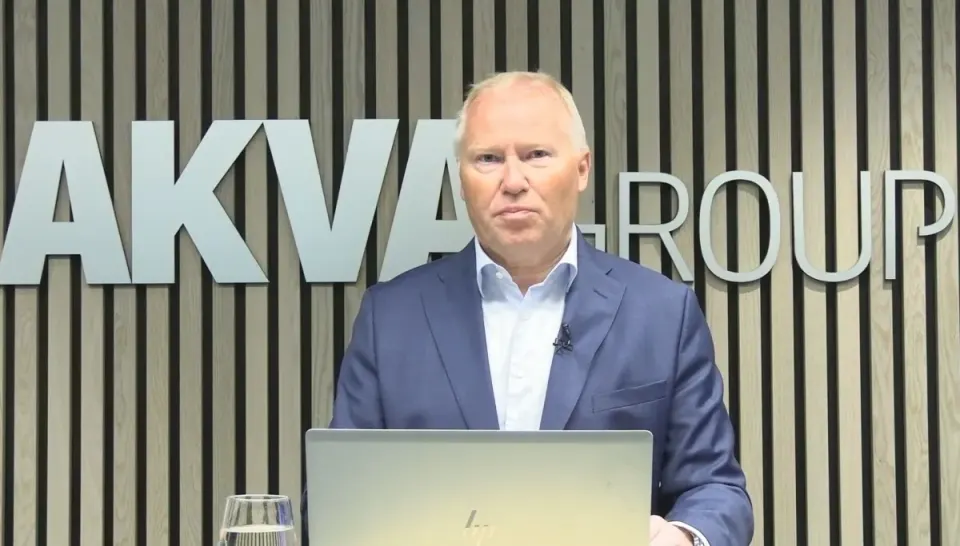
Norwegian aquaculture technology supplier AKVA group has agreed to be acquired by Japanese industrial conglomerate Yanmar in a deal valued at NOK 5.9 billion (£463.2 million), with major shareholders representing approximately 92% of AKVA's shares already committed to the transaction.
The Council of the European Union has adopted its negotiating position calling for maximum residue levels of certain hazardous pesticides in imported food and feed to be lowered to the limit of quantification — known as technical zero — pending an impact assessment. The mandate, part of the Omnibus X food and feed safety package, expands coverage to substances posing risks to honeybees or groundwater, but the rules are not yet in force and require the European Parliament to adopt its own position before negotiations can begin.
A peer-reviewed study in the journal Animals finds that soybean variety, growing location, crop year, and relative maturity can materially shift crude protein and amino acid profiles in southern Illinois soybeans, altering modeled soybean meal quality and livestock diet formulation outcomes for both ruminants and non-ruminants.
A 60-day feeding trial published in Veterinary Sciences found that replacing fishmeal in red tilapia diets with a blend of Azolla microphylla meal and soybean meal progressively reduced growth performance and worsened feed conversion as replacement rose from 25% to 75%, while fillet essential amino acid content held up through moderate levels but fell significantly at the highest inclusion rate.
ECOWAS member states and partners reached consensus on 22 September 2026 to adopt a Regional Training Guide on Aflatoxin Control, developed under the World Bank-funded Food System Resilience Programme, aiming to harmonise prevention and monitoring of the toxic fungal contaminants across West Africa and the Sahel.
The FDA's Center for Veterinary Medicine has announced a package of process reforms to its animal Food Additive Petition and GRAS Notification review programs following a two-year evaluation, promising faster timelines, greater transparency, and more flexible data requirements for ingredient submitters.
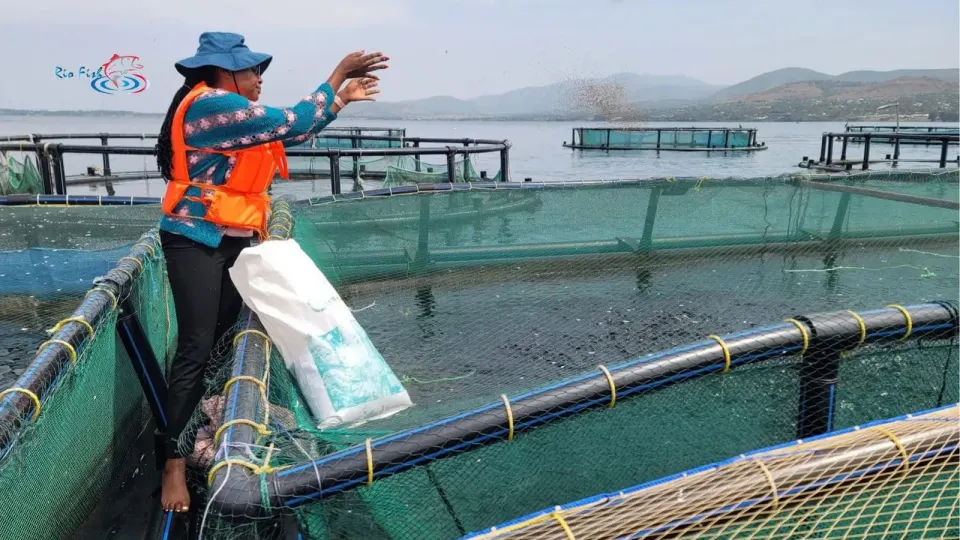
Ethical Seafood Research (ESR) has partnered with Kenyan tilapia producer Rio Fish on a 24-month collaboration to improve fish welfare standards, introduce welfare monitoring tools, develop better slaughter practices, and pursue Aquaculture Stewardship Council (ASC) certification — with the aim of extending those practices to Rio Fish's network of more than 1,500 farmers.
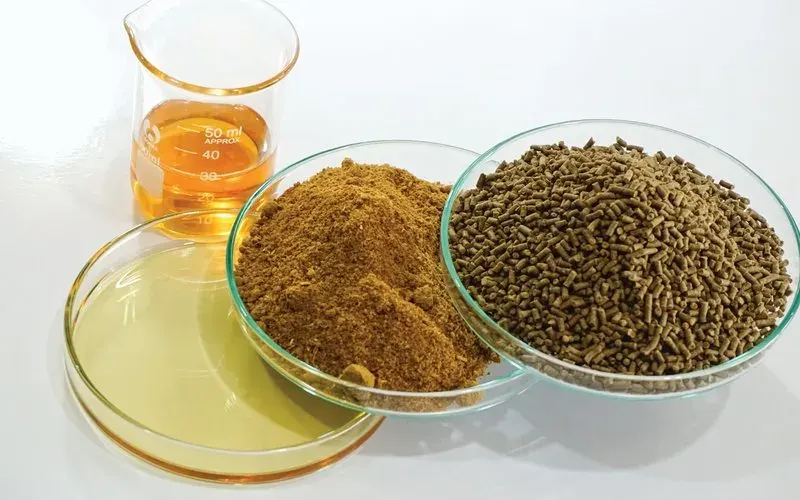
A peer-reviewed study by researchers from the University of Porto, CIIMAR, and the University of Florence, in collaboration with EPAX®, found that fatty acid ethyl ester (FAEE) oil — a byproduct of omega-3 supplement production — can completely replace fish oil in juvenile European seabass diets without impairing growth, feed utilization, or nutrient digestibility. However, the substitution significantly reduced muscle DHA levels, pointing to a potential nutritional quality trade-off that may require mitigation.
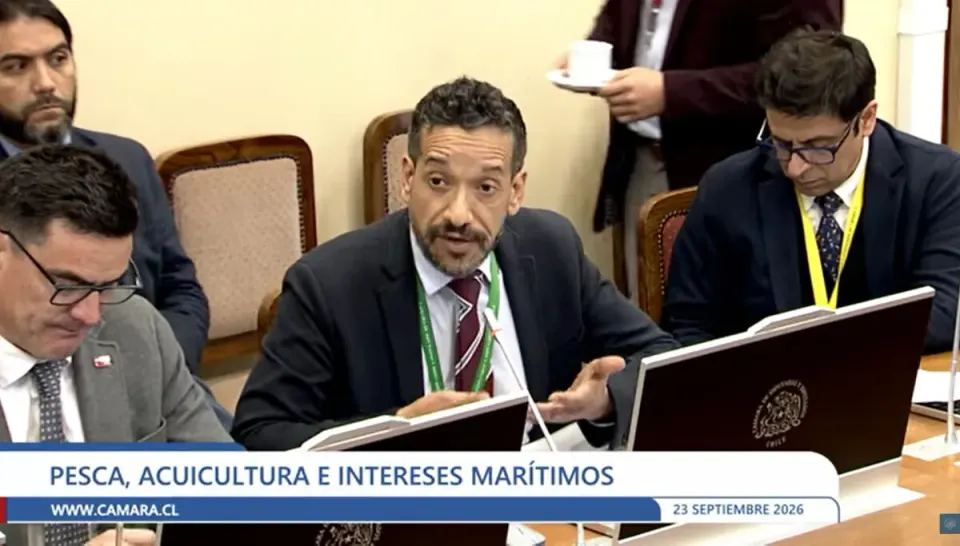
Chilean aquaculture authorities have told parliament that land-based sanitary trenches could be used to dispose of salmon mortalities if the current El Niño climate event causes a catastrophic harmful algal bloom, an approach reserved only for the most extreme scenarios and aimed at preventing a repeat of the 2016 sea-dumping crisis.