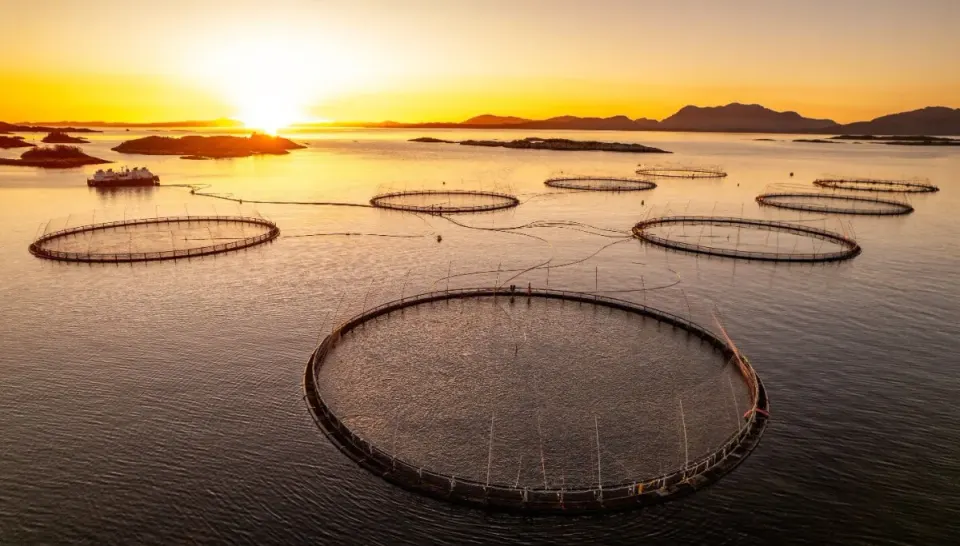
The Aquaculture Stewardship Council's 2025 Impact Report records close to 7,000 environmental and social improvements across its certified farm network, alongside growth in certified seafood production, a surge in feed mill certifications, and the introduction of a unified Farm Standard.
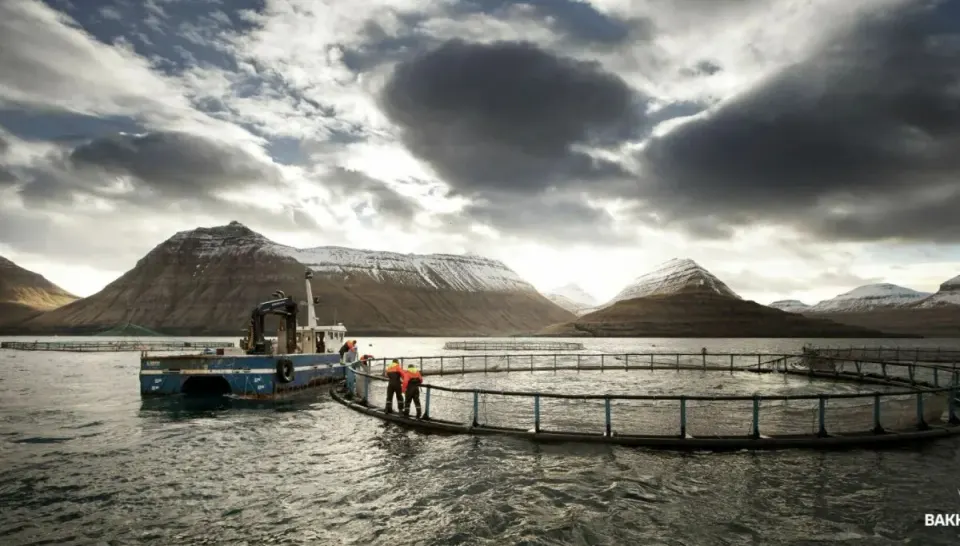
Faroese salmon farmer Bakkafrost has become the world's first Atlantic salmon producer to certify farms against the Aquaculture Stewardship Council's new Farm Standard, with three Faroese sites already certified and the remainder in the Faroe Islands and Scotland to follow ahead of the May 2028 transition deadline.
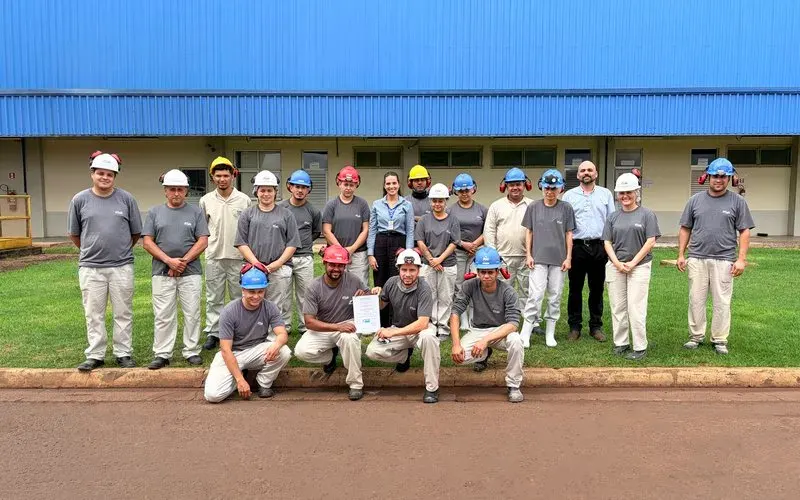
Brazilian cooperative C.Vale has become the first company in Brazil to receive Aquaculture Stewardship Council (ASC) Feed Standard certification for its tilapia feed plant, completing ASC coverage across all three stages of the tilapia production chain: feed manufacturing, fish farming, and industrial processing.
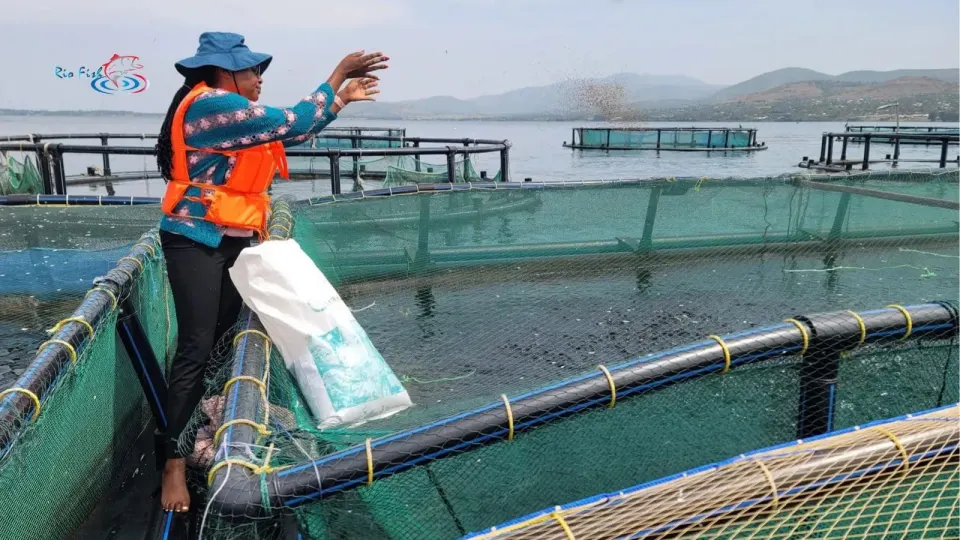
Ethical Seafood Research (ESR) has partnered with Kenyan tilapia producer Rio Fish on a 24-month collaboration to improve fish welfare standards, introduce welfare monitoring tools, develop better slaughter practices, and pursue Aquaculture Stewardship Council (ASC) certification — with the aim of extending those practices to Rio Fish's network of more than 1,500 farmers.
A European Commission study completed in June 2026 estimates that feed demand for ten key farmed species in the EU grew from under 900,000 tonnes in 2013 to almost 1.1 million tonnes in 2023. The report identifies plant ingredients as now comprising the majority of material demand, while highlighting cost, scalability and regulatory hurdles facing alternative proteins and oils.
A European Commission study completed in June 2026 estimates that feed demand for ten key farmed species in the EU grew from under 900,000 tonnes in 2013 to almost 1.1 million tonnes in 2023, while identifying plant ingredients, cost, regulation and supply-chain exposure as central challenges for the sector's future.
The South American rendering industry convened in Mendoza, Argentina, for the Reunion of the Americas (REAM) on 8–10 September 2026. Discussions centred on tightening fishmeal supply, surging export demand for Brazilian animal protein meals, shifting trade conditions for low-carbon feedstocks, and the growing interconnection of regional rendered-product markets.
A new IndexBox market report projects the global multi-enzyme complexes for aquafeed market will grow at a compound annual growth rate of 7.5–9.0%, with the baseline scenario estimate at 8.2%, between 2026 and 2035. Growth is fuelled by rising aquaculture output, pressure to reduce feed costs, and a shift toward customised enzyme blends. Asia-Pacific holds an estimated 55% share of demand, while Latin America, the Middle East, and Africa are identified as the fastest-growing regions.