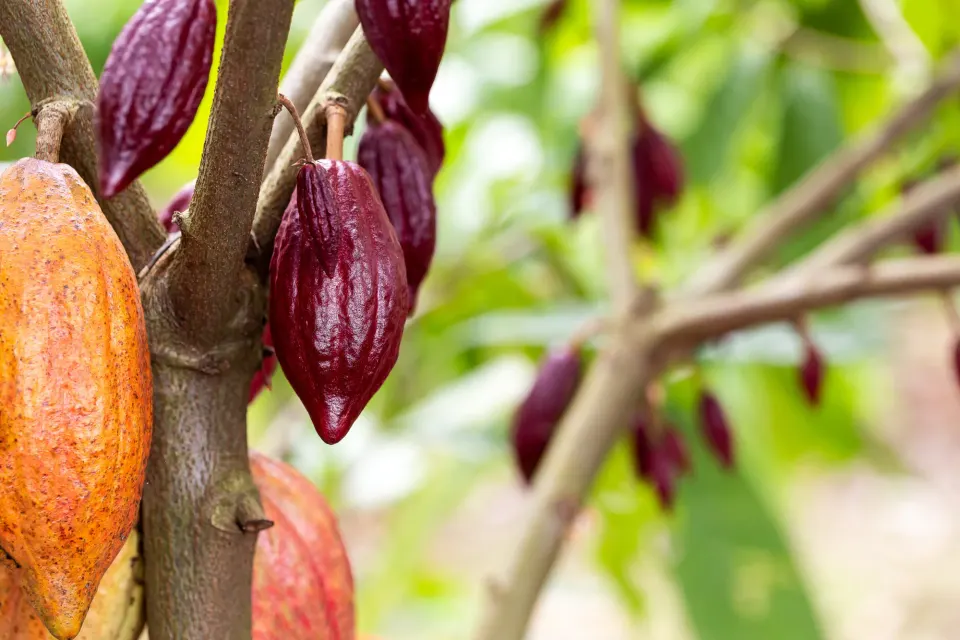
ADM Investor Services analyst Mark Bowman warns that a forecast Super El Niño, expected to peak in November and persist into February, could further tighten conditions for cocoa, coffee, cotton and sugar markets, compounding existing weather-related supply pressures across West Africa, Brazil and the United States.
A peer-reviewed study in the journal Animals finds that soybean variety, growing location, crop year, and relative maturity can materially shift crude protein and amino acid profiles in southern Illinois soybeans, altering modeled soybean meal quality and livestock diet formulation outcomes for both ruminants and non-ruminants.
US soymeal, corn, soybeans and winter wheat all fell during the week ending October 3, 2026, as harvest pressure, larger corn inventories and improved soymeal availability outweighed supply concerns, according to CommodityScope's weekly physical markets report.
Heavy rainfall across the U.S. central and southern Plains is stalling winter wheat planting and interrupting corn and soybean harvest, while in Brazil, above-normal heat in key northern growing states is threatening early soybean planting. China's decision to cut tariffs on several U.S. agricultural commodities but leave soybeans under an additional 10% duty drove sharp losses in soybean futures on Monday.
Soybean futures edged higher on both the Chicago Board of Trade and China's Dalian Commodity Exchange on 30 September 2026, while physical premiums moved in opposite directions across origins. Ukrainian GMO-free and Chinese yellow soybeans strengthened, whereas U.S. No. 2 and conventional Ukrainian FOB values eased. Weather uncertainty in Brazil and Argentina for early October continues to underpin a mild risk premium in new-crop prices.
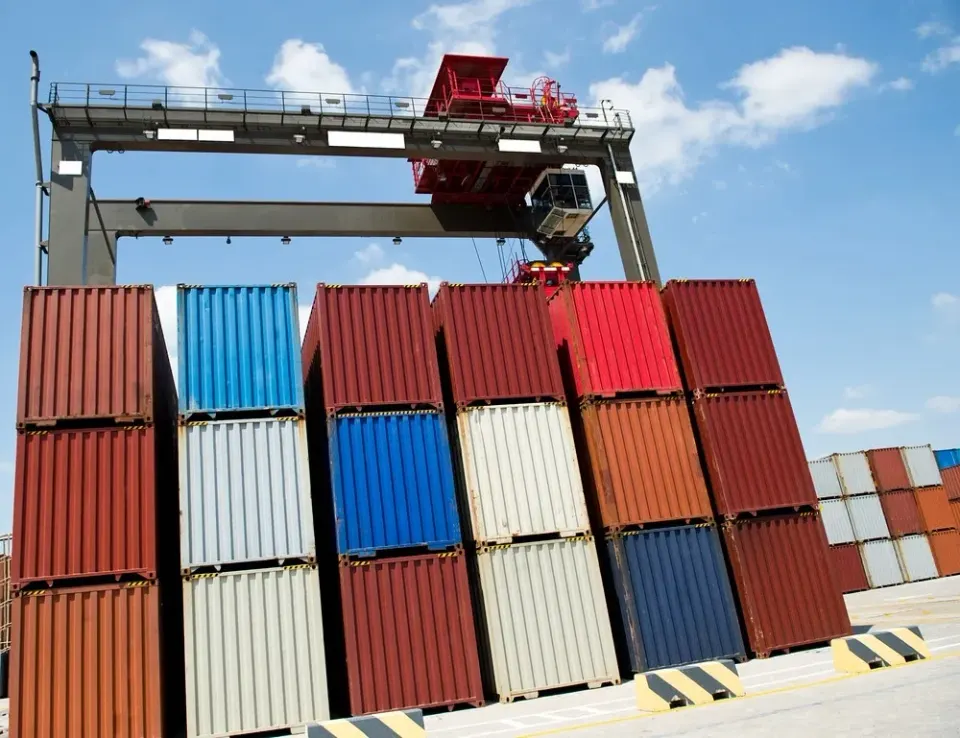
Persistent port congestion, container imbalances and route disruptions are keeping ocean freight costs elevated for agricultural shippers even as some trade lanes through the Red Sea and Suez Canal show signs of partial normalization, according to CMB News.
Soybean futures and products on the Chicago Board of Trade are undergoing modest profit-taking after a strong late-summer rally, with US September 1 inventories running about 3% below last year and Chinese demand continuing to underpin prices across the complex.
U.S. Trade Representative Jamieson Greer said on October 1, 2026, that there is no set timetable for implementing proposed tariff reductions covering roughly $60 billion in U.S.-China trade, citing required legal and public comment processes. The announcement tempers expectations raised by a September 27 agreement, and leaves key agricultural commodities — including non-seed soybeans — facing continued uncertainty.
Argentina's agro-industrial exports to the European Union increased 21% in value during the first four months the Mercosur-EU trade agreement was in provisional force, with tariff-reduced products posting an even steeper 44% gain, according to Argentina's Secretariat of Agriculture, Livestock and Fisheries.
Sunflower oil prices fell for a third consecutive month in September 2026, according to FAO data, as ample Black Sea supply weighs on the market. However, damaged Ukrainian port infrastructure, elevated maritime risk premia, and constrained Russian export routes are cushioning the downturn and keeping volatility high.
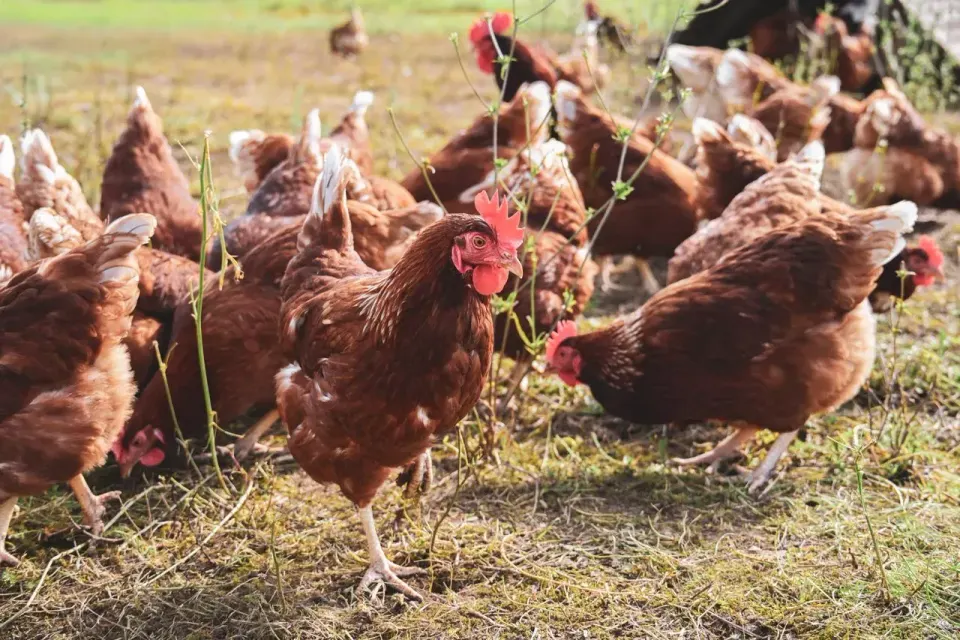
Cargill is investing more than USD 130 million over two years to expand and modernise poultry processing, feed production, grain storage, and farming infrastructure in Thailand and the Philippines, targeting rising global demand for high-quality protein.
The European Commission has told Ukraine there are no plans to renegotiate its agricultural export quotas, rejecting Kyiv's request for expanded bioethanol access even as Russian strikes continue to damage Ukrainian infrastructure and constrain its exports.