Loading…
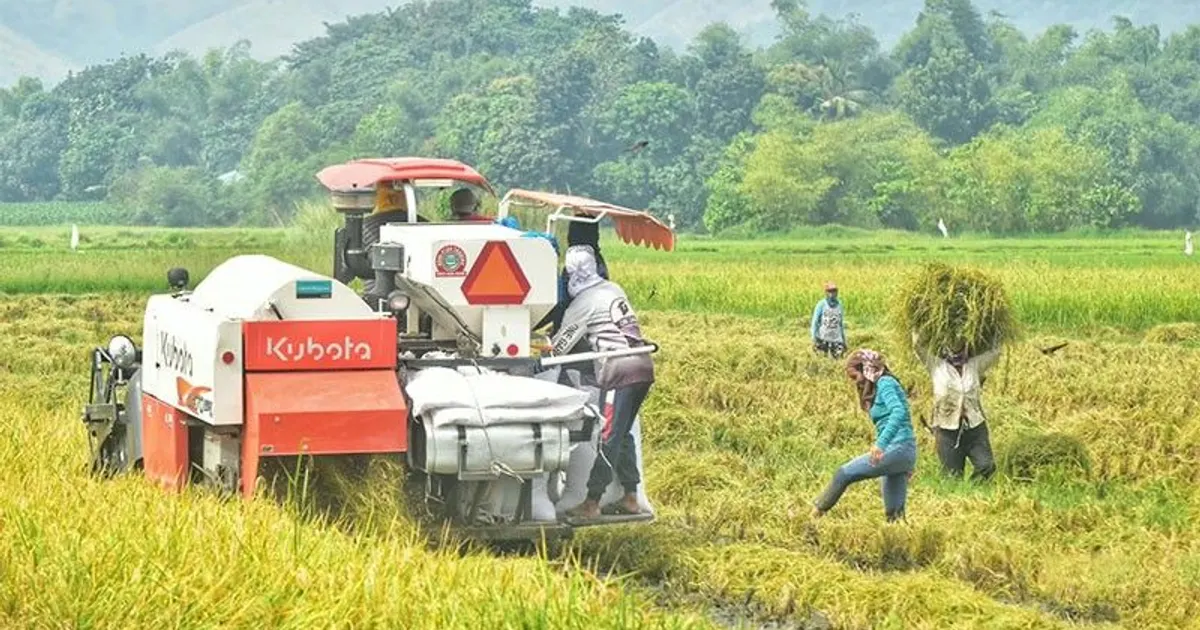
The Philippine Rice Research Institute has developed maps to help rice farmers assess El Niño-related drought risk before making planting decisions. The platform combines drought exposure, crop sensitivity and farmers’ adaptive capacity to guide choices such as adjusting planting schedules, switching crops or using water-efficient practices.
Better risk planning and adaptation could help limit rice-production losses during drought, though the maps themselves do not establish a change in supply or prices. No direct price implication is evident yet.
 philstar.comAdrian Kenneth HaliliNov 7, 2026
After 2,467 past weather events, Corn moved a median +0.1% over 5 sessions (51% higher; middle half -1.5% to +1.7%), and +0.6% over 20.
After 1,964 past weather events, Soybeans moved a median +0.1% over 5 sessions (51% higher; middle half -1.7% to +1.8%), and +0.3% over 20.
After 1,773 past weather events, Wheat (SRW) moved a median +0.1% over 5 sessions (52% higher; middle half -1.5% to +2.1%), and +0.2% over 20.
After 361 past weather events, Palm Oil moved a median +0.0% over 5 sessions (51% higher; middle half -1.3% to +1.3%), and -0.2% over 20.
Moves of each commodity's benchmark from the last close before the event. Historical reads pool past events of the same kind; they describe what happened, not what will. Not investment advice.
