Loading…
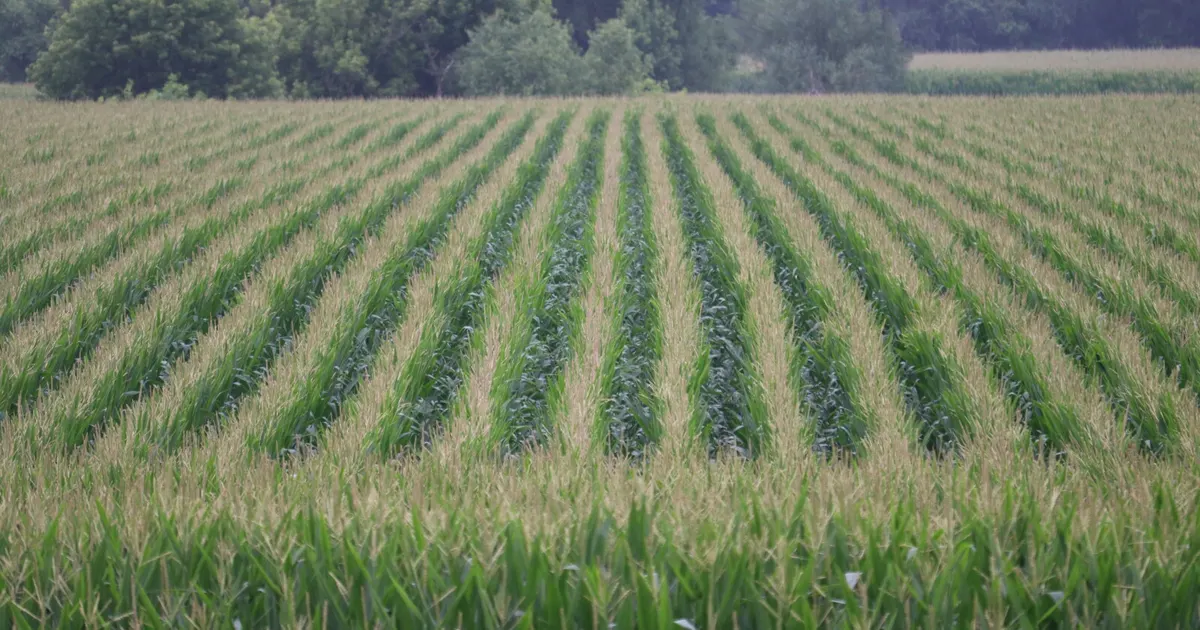
University of Minnesota researchers project that by the 2040s the most favorable corn and soybean growing region will shift northwest, potentially favoring Minnesota, North Dakota and South Dakota over Iowa and Illinois. Warmer temperatures and longer seasons could help, but heat stress, evapotranspiration and new pests and diseases could limit gains.
Minnesota's growing season has already lengthened by nearly two weeks since the 1950s.
These are long-term projections with no immediate effect on supply or prices. They may matter for future acreage and production patterns in the Corn Belt.
 agweek.comNoah FishJan 13, 2026
After 2,467 past weather events, Corn moved a median +0.1% over 5 sessions (51% higher; middle half -1.5% to +1.7%), and +0.6% over 20.
After 1,964 past weather events, Soybeans moved a median +0.1% over 5 sessions (51% higher; middle half -1.7% to +1.8%), and +0.3% over 20.
Moves of each commodity's benchmark from the last close before the event. Historical reads pool past events of the same kind; they describe what happened, not what will. Not investment advice.
