Loading…
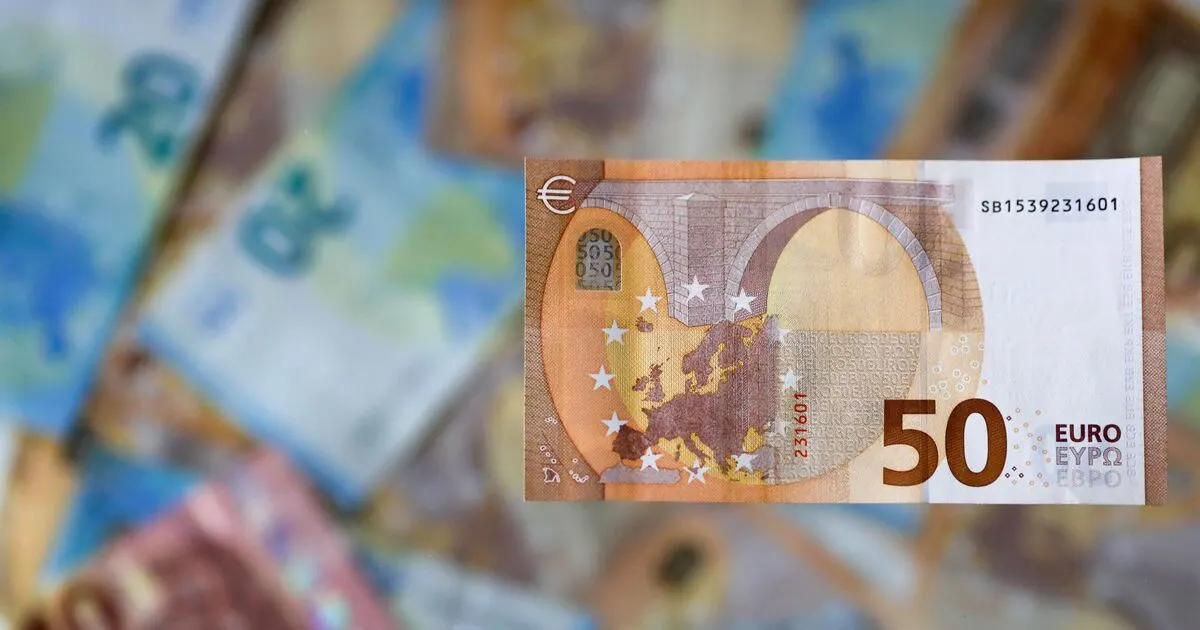
The euro fell as much as 1.8% to $1.1106, its lowest against the dollar since June 2020, as haven demand surged amid the Russia-Ukraine security crisis. The Bloomberg Dollar Index climbed as much as 1.4%.
A weaker euro and stronger dollar lower the dollar cost of European-sourced feed inputs for importers and reduce US export competitiveness. The move reflects haven flows rather than a change in feed supply.
 bloomberg.comFeb 24, 2022
After 36 past bearish geopolitics events, EURUSD moved a median -1.0% over 5 sessions (22% higher; middle half -1.8% to -0.3%), and -0.7% over 20.
After 89 past bullish geopolitics events, DXY moved a median +0.5% over 5 sessions (74% higher; middle half -0.0% to +1.0%), and +0.3% over 20.
Moves of each commodity's benchmark from the last close before the event. Historical reads pool past events of the same kind; they describe what happened, not what will. Not investment advice.
Same-day report of the euro falling as much as 1.8% to $1.1106 on haven demand for the dollar after Russia's invasion directly explains the move.
Euro fell as much as 1.8% and the Bloomberg Dollar Index rose up to 1.4% on haven demand; the euro is the largest component of the broad dollar basket.
Haven demand for the dollar during the Russia-Ukraine crisis pushed EUR/USD down as much as 1.8% to its lowest since June 2020 on 2022-02-24, accounting for most of the 5-day decline.
