Loading…
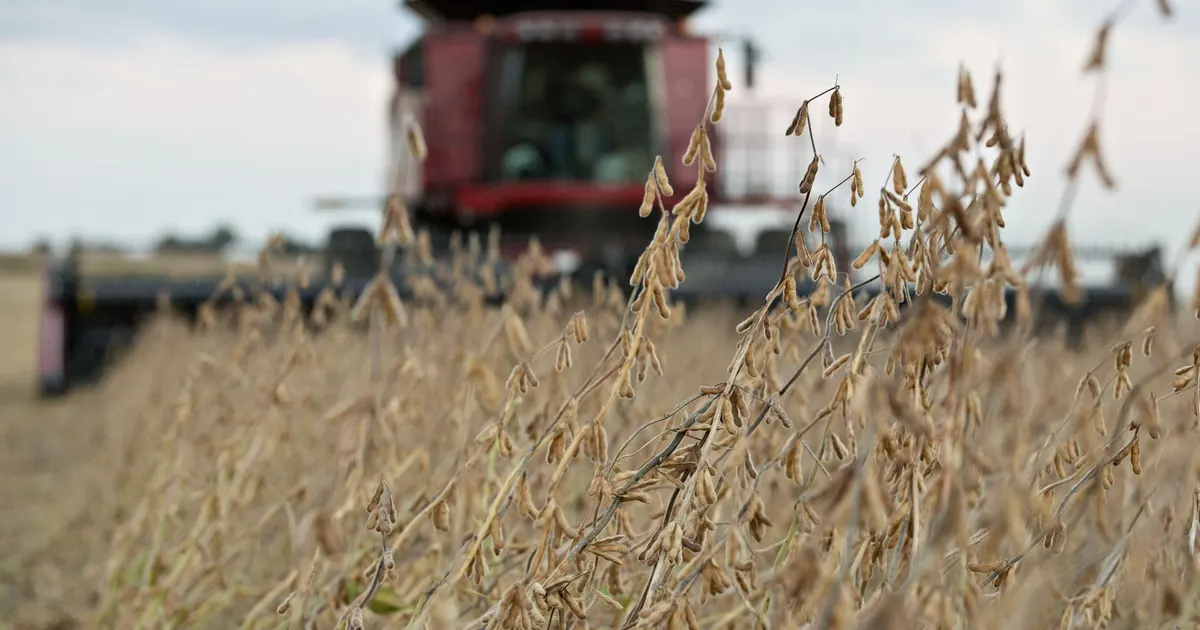
China is offering higher subsidies to farmers in four northeastern provinces to switch from corn to soybeans. The country imported 95.5 million tons of soybeans in 2017, mainly from Brazil and the U.S., and is pursuing domestic output to reduce reliance on U.S. supply.
A structural shift toward domestic Chinese soybean production would reduce long-term import demand for U.S. and Brazilian beans and meal. The effect on prices is gradual and depends on how much acreage switches.
 cnbc.comEunice YoonMay 11, 2018
After 369 past bearish policy events, SOY moved a median -0.2% over 5 sessions (46% higher; middle half -1.7% to +1.8%), and +0.8% over 20.
After 318 past bullish policy events, CORN moved a median -0.1% over 5 sessions (48% higher; middle half -1.4% to +1.5%), and -0.2% over 20.
Moves of each commodity's benchmark from the last close before the event. Historical reads pool past events of the same kind; they describe what happened, not what will. Not investment advice.
