Loading…
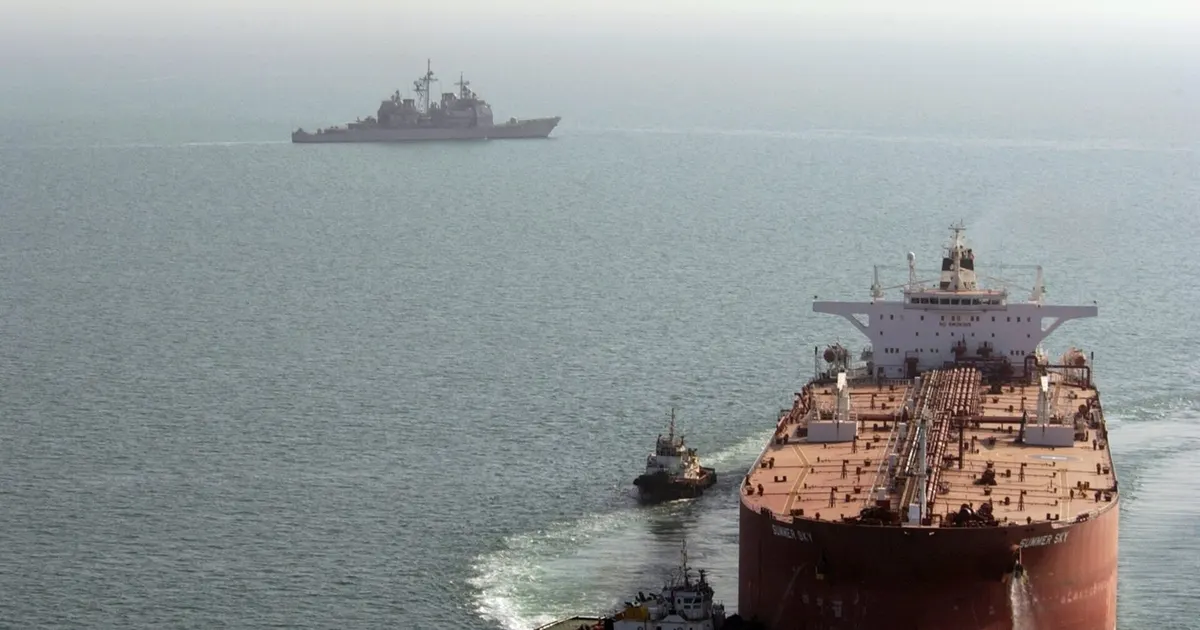
Brent settled at $117.64 a barrel on October 30, its highest level in six months, after a tanker was attacked near the Strait of Hormuz. Explosive devices were attached to the hull of an outbound tanker off Khasab, causing an engine-room fire, though the crew was safe.
WTI rose to settle at $104.12 as uncertainty over Washington's next step against Iran kept a risk premium in prices.
Attacks on tankers in the Strait of Hormuz threaten a major share of seaborne crude flows, so they lift the geopolitical risk premium and push crude prices higher. Higher crude raises diesel and freight costs for feed producers and supports prices of competing energy-linked inputs.
 thedailyenergy.comJames WhitmoreOct 31, 2026
After 656 past bullish geopolitics events, Crude Oil (Brent) moved a median +1.9% over 5 sessions (63% higher; middle half -2.7% to +6.6%), and +0.7% over 20.
After 626 past bullish geopolitics events, Crude Oil (WTI) moved a median +2.1% over 5 sessions (62% higher; middle half -2.3% to +8.5%), and +1.6% over 20.
After 250 past bullish geopolitics events, ULSD / Diesel moved a median +1.7% over 5 sessions (58% higher; middle half -3.6% to +8.7%), and +0.9% over 20.
Moves of each commodity's benchmark from the last close before the event. Historical reads pool past events of the same kind; they describe what happened, not what will. Not investment advice.
