Loading…
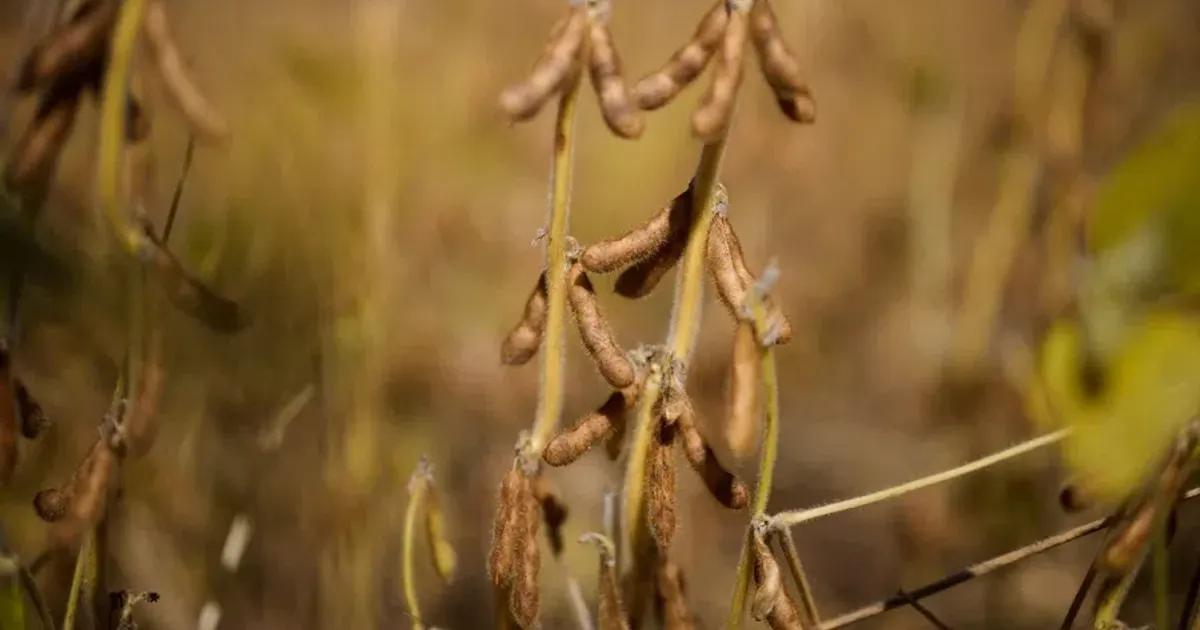
Chinese state-owned enterprises tend to fulfill bilateral commitments, while private processors buy Brazilian beans because US soybeans face a 13% duty versus 3% for Brazil. The Ministry of Commerce's tariff reduction framework of about $30 billion covers corn, wheat, sorghum, soybean meal and soybean oil but excludes soybeans.
The persistent tariff gap keeps Brazilian beans the marginal supply for private Chinese crushers, capping US soybean export recovery and supporting Brazilian premiums.
 thinkchina.sgGenevieve Donnellon-MayOct 28, 2026
After 803 past bearish trade events, Soybeans moved a median +0.0% over 5 sessions (51% higher; middle half -1.7% to +1.7%), and +0.9% over 20.
After 224 past neutral trade events, Soybean Meal moved a median -0.2% over 5 sessions (43% higher; middle half -1.7% to +1.2%), and -0.2% over 20.
Moves of each commodity's benchmark from the last close before the event. Historical reads pool past events of the same kind; they describe what happened, not what will. Not investment advice.
