Loading…
 FEEDSOFTAIFEEDSOFTAI
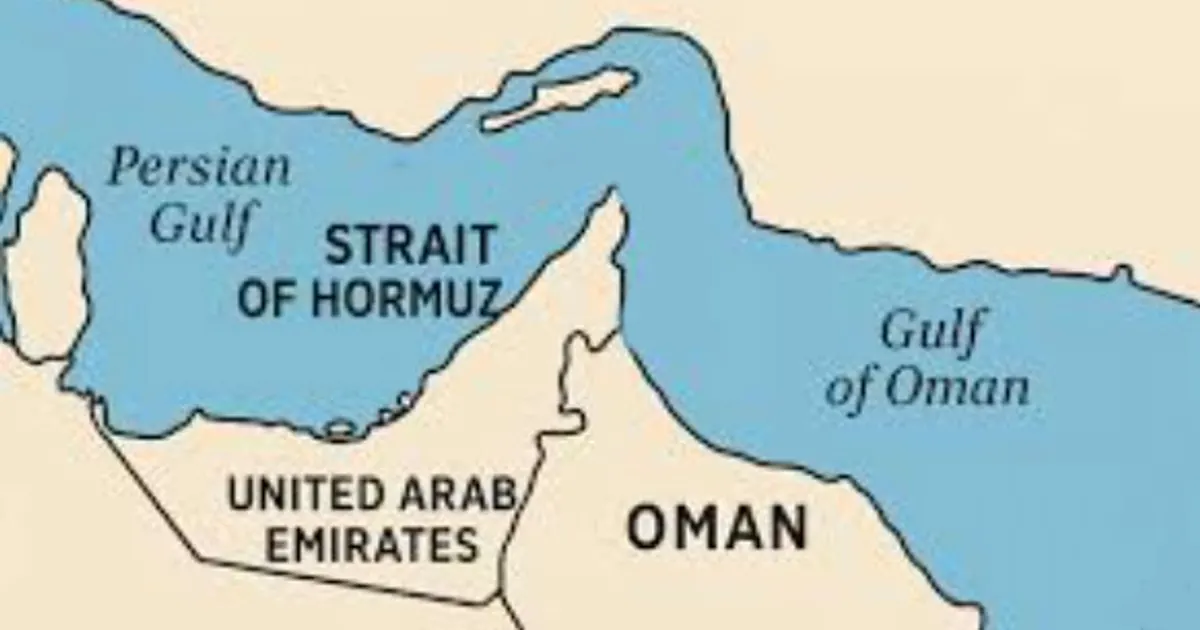
The 2026 closure of the Strait of Hormuz, linked to the US war with Iran, removed about a quarter of seaborne oil and a similar share of traded LNG at its peak. An economist's working paper finds Africa absorbed the shock through higher refined fuel prices, costlier fertiliser and food systems, higher freight and insurance costs from rerouting around southern Africa, and strain on budgets and external accounts.
Nitrogen and sulphur that transit Hormuz feed urea and phosphate fertiliser, so disruption raises fertiliser and diesel costs for African farmers and feed producers, supporting prices for these inputs.
 independent.co.ugThe IndependentNov 21, 2026
After 205 past bullish geopolitics events, Urea moved a median +0.4% over 5 sessions (53% higher; middle half -2.1% to +3.0%), and -0.4% over 20.
Moves of each commodity's benchmark from the last close before the event. Historical reads pool past events of the same kind; they describe what happened, not what will. Not investment advice.