Loading…
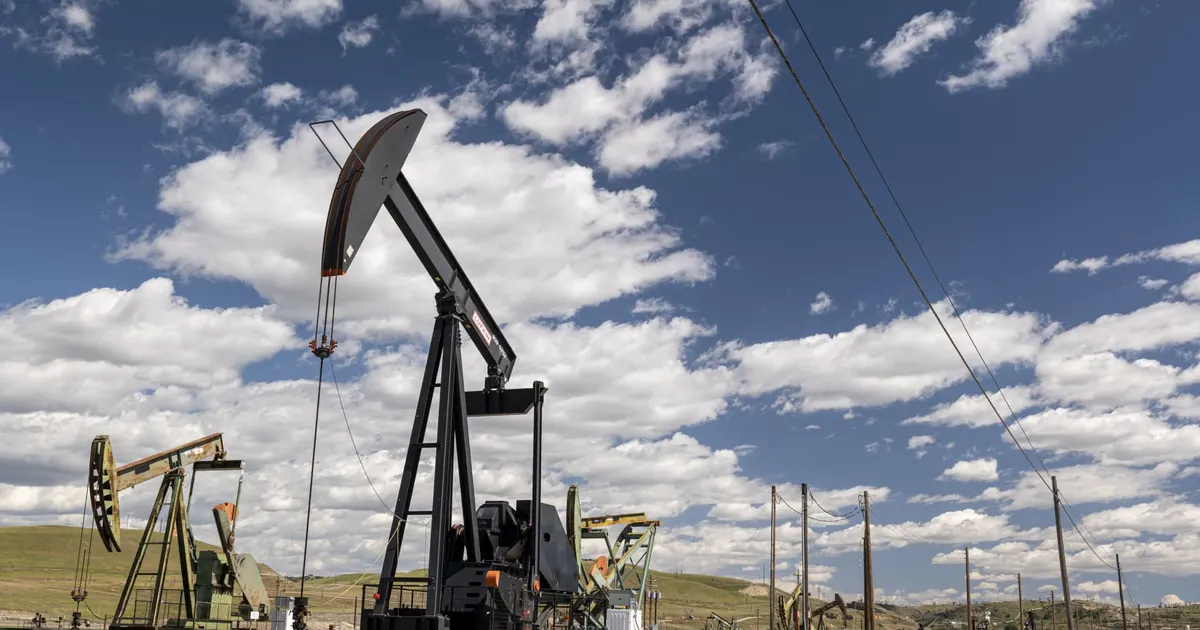
WTI settled down 8.24% at $99.50 per barrel after trading as low as $97.43, and Brent settled down 9.45% at $102.77. The sell-off reflected recession fears that are curbing oil demand, with Citi warning Brent could fall to $65 by year-end if the economy enters recession.
A sharp fall in crude and product prices driven by demand fears lowers energy input costs for feed production. Recession-driven demand loss could extend the decline in fuel and energy-linked costs.
 cnbc.comPippa StevensJul 5, 2022
After 565 past bearish macro events, Crude Oil (WTI) moved a median -1.4% over 5 sessions (41% higher; middle half -5.9% to +3.0%), and -0.5% over 20.
After 312 past bearish macro events, Crude Oil (Brent) moved a median -1.7% over 5 sessions (38% higher; middle half -5.4% to +2.3%), and -1.7% over 20.
After 79 past bearish macro events, ULSD / Diesel moved a median -1.0% over 5 sessions (39% higher; middle half -5.7% to +1.7%), and -1.5% over 20.
Moves of each commodity's benchmark from the last close before the event. Historical reads pool past events of the same kind; they describe what happened, not what will. Not investment advice.
Directly describes the July 5 WTI selloff (settled -8.24% to $99.50) on recession fears curbing oil demand, with Citi's bearish call.
WTI and Brent fell about 8-9% on July 5 on recession fears, cutting crude input cost and dragging ULSD sharply lower within the window.
