Loading…
 FEEDSOFTAIFEEDSOFTAI
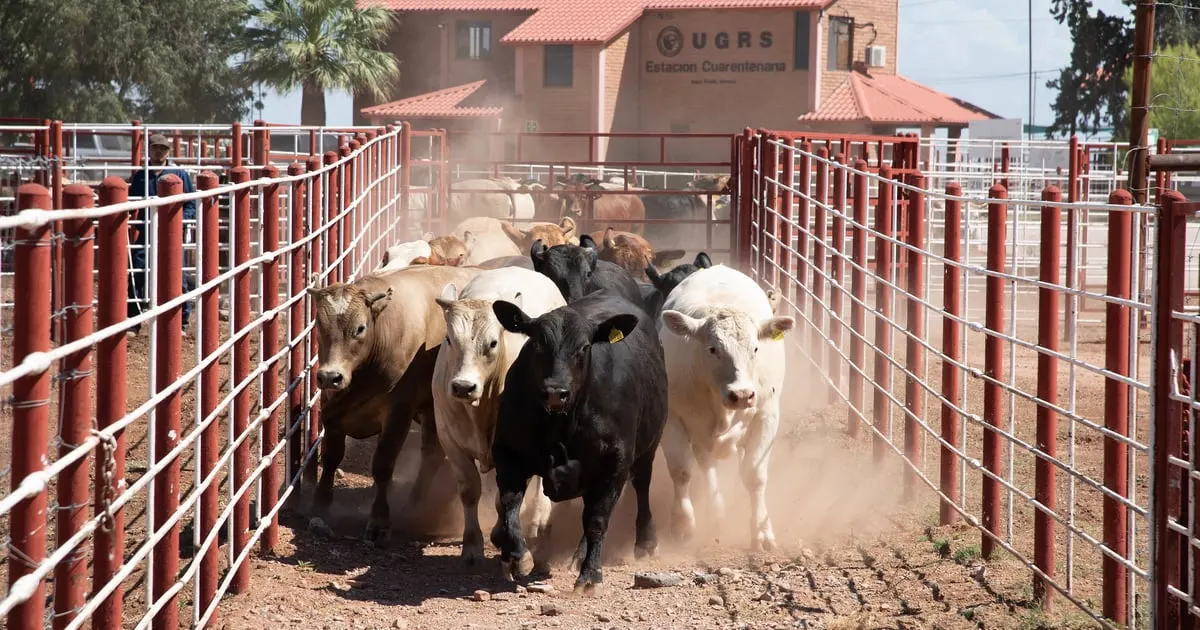
University of Arkansas research examined how New World screwworm-related closures of the Mexican border to cattle imports affected the US cattle basis. The study found the largest basis effects were felt in markets farthest from the border, with costs unevenly distributed.
Mexican feeder cattle are a major share of US feeder supply, so border closures act as supply shocks that shift regional cash-futures basis and feeder cattle prices. The findings are analytical and describe past effects rather than a new shock.
 beefmagazine.comNov 20, 2026
After 124 past bullish disease events, Feeder Cattle moved a median +0.4% over 5 sessions (60% higher; middle half -1.0% to +1.6%), and +2.0% over 20.
Moves of each commodity's benchmark from the last close before the event. Historical reads pool past events of the same kind; they describe what happened, not what will. Not investment advice.