Loading…
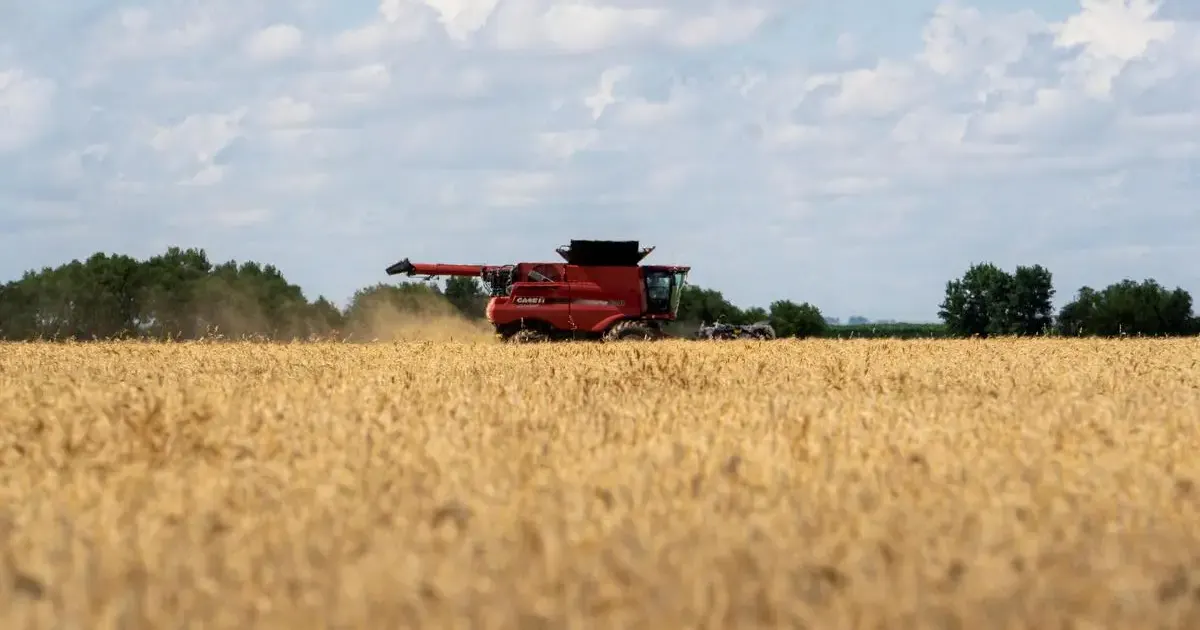
USDA projected the smallest US wheat harvest since 1972 due to Plains drought, with hard red winter output the lowest in decades. It also forecast the second-largest soybean crop on record and a 6% drop in corn production.
Fertilizer costs rose after the Strait of Hormuz closure.
Sharply lower wheat output and a smaller corn crop tighten feed grain supplies, while record soybean output and soybean meal supply weigh on meal prices. Higher fertilizer and fuel costs raise production costs.
 agri-pulse.comOliver WardMay 12, 2026
 agweb.comReutersMay 12, 2026
 producer.comMay 12, 2026
 thehindubusinessline.comReutersMay 12, 2026
After 769 past bullish report events, Wheat (SRW) moved a median +0.2% over 5 sessions (53% higher; middle half -1.4% to +2.0%), and +0.2% over 20.
After 788 past bearish report events, Soybeans moved a median -0.3% over 5 sessions (47% higher; middle half -2.0% to +1.5%), and -0.9% over 20.
After 1,040 past bullish report events, Corn moved a median +0.5% over 5 sessions (62% higher; middle half -0.9% to +2.0%), and +0.8% over 20.
After 399 past bearish report events, Soybean Meal moved a median -0.4% over 5 sessions (44% higher; middle half -2.4% to +1.2%), and -1.0% over 20.
Moves of each commodity's benchmark from the last close before the event. Historical reads pool past events of the same kind; they describe what happened, not what will. Not investment advice.
USDA's projection of the smallest US wheat crop since 1972 due to Plains drought, plus higher fertilizer costs, supports the supply-driven rally.
Smallest US wheat harvest since 1972 from drought tightens supply, supporting price.
