Ukraine Introduces Unified Pricing Rules for Feed Sector Laboratory Services
The Ukrainian government has adopted a resolution establishing standardised, transparent pricing methodologies for laboratory services and registration dossier evaluations in the feed sector, with the Ministry of Agrarian Policy stating the move will create predictable costs for businesses.

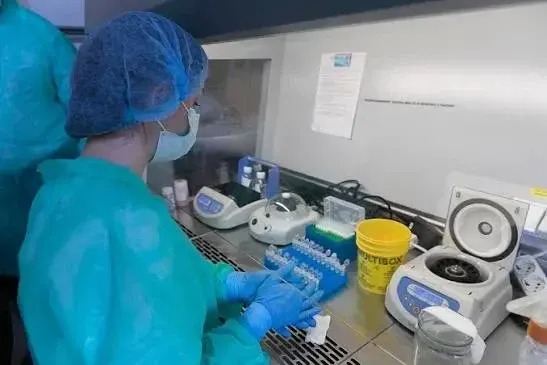
The Government of Ukraine has adopted a resolution introducing unified pricing rules for laboratory services and the evaluation of registration dossiers in the country's feed sector, according to a report by agronews.ua citing SEEDS and the Ministry of Agrarian Policy, published on 17 September 2026.
The resolution establishes approved methodologies that set out a clear mechanism for calculating fees and define which cost components may be included. According to the source, direct labour remuneration, direct material and other direct costs, and constant distributed overhead costs are among the elements that will be factored into service pricing.
Taras Vysotskyi, Minister of Agrarian Policy and Food of Ukraine, explained the rationale behind the change. "The cost of such services must be economically justified and calculated according to the same principles for all," he said, adding that "a clear methodology reduces the possibility of different interpretations of calculation approaches and gives businesses an understanding of what the fee is based on."
The source reports that under the new rules, services for evaluating materials of registration dossiers and reference laboratory services are subject to fees, the amounts of which are to be determined using the government-approved methodologies. The Ministry of Agrarian Policy described the measures as creating "understandable rules for businesses" and standardising the approach to determining the cost of such services.
No implementation timeline beyond the September 2026 adoption date was specified in the available source material.
Prepared with AI assistance and reviewed by the editorial team.