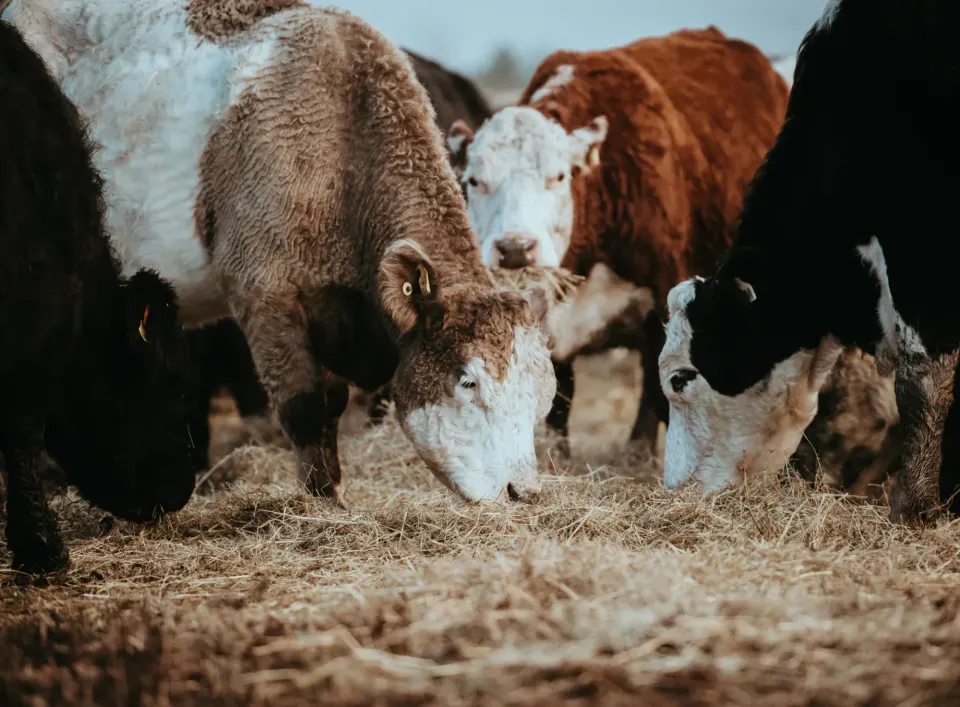
The U.S. hemp industry is looking to animal feed as a potential outlet for surplus biomass and processing byproducts, with research showing nutritional promise but cannabinoid residue concerns and fragmented regulation continuing to limit commercial uptake.
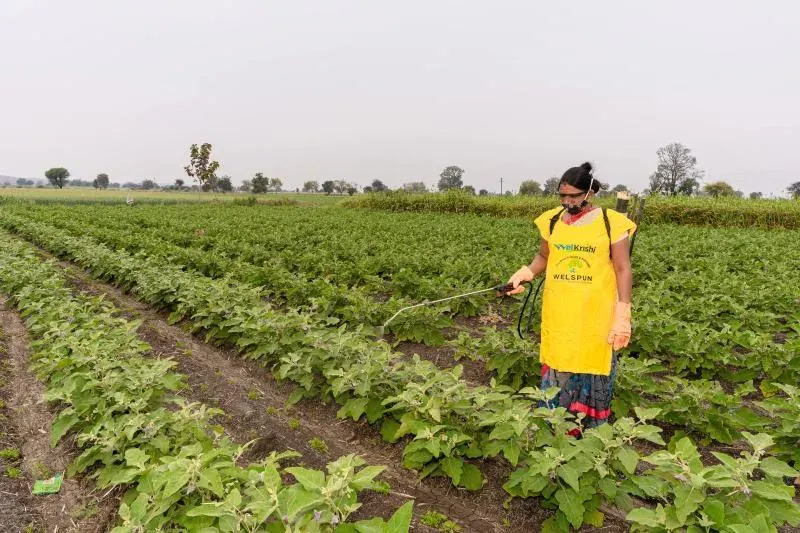
The Council of the European Union has adopted its negotiating position calling for maximum residue levels of certain hazardous pesticides in imported food and feed to be lowered to the limit of quantification — known as technical zero — pending an impact assessment. The mandate, part of the Omnibus X food and feed safety package, expands coverage to substances posing risks to honeybees or groundwater, but the rules are not yet in force and require the European Parliament to adopt its own position before negotiations can begin.
Uzbekistan's Senate has approved a new Food Safety Law introducing risk-based state control, clearer responsibilities for food businesses, and expanded powers for the Food Safety Committee. The legislation, passed at the Senate's 20th plenary session, is designed to align the country's food safety framework with international practices and WTO requirements.
The Irish Presidency of the EU Council is working to secure a qualified majority among member states on a compromise text to simplify food safety rules, including revised provisions on maximum residue levels and pesticide authorisation timelines, ahead of a Coreper meeting on 23 September 2026.