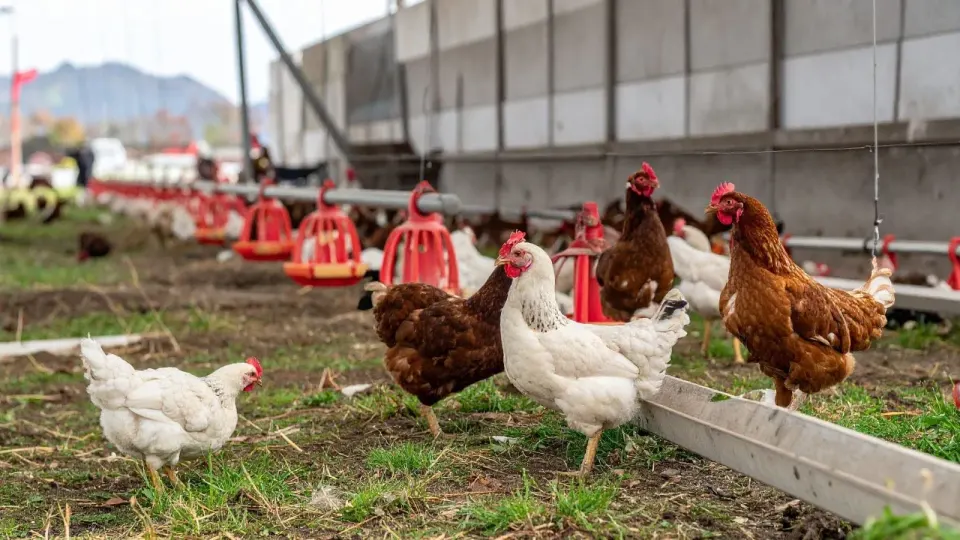
The European Commission's final audit report has found that Brazil's official poultry and honey supply chain controls meet EU standards on antimicrobial use, according to the Brazilian Association of Animal Protein (ABPA). However, the reinstatement of Brazil on the EU's approved suppliers list remains pending further European regulatory steps, including a yet-to-be-scheduled meeting of the Standing Committee on Plants, Animals, Food and Feed.
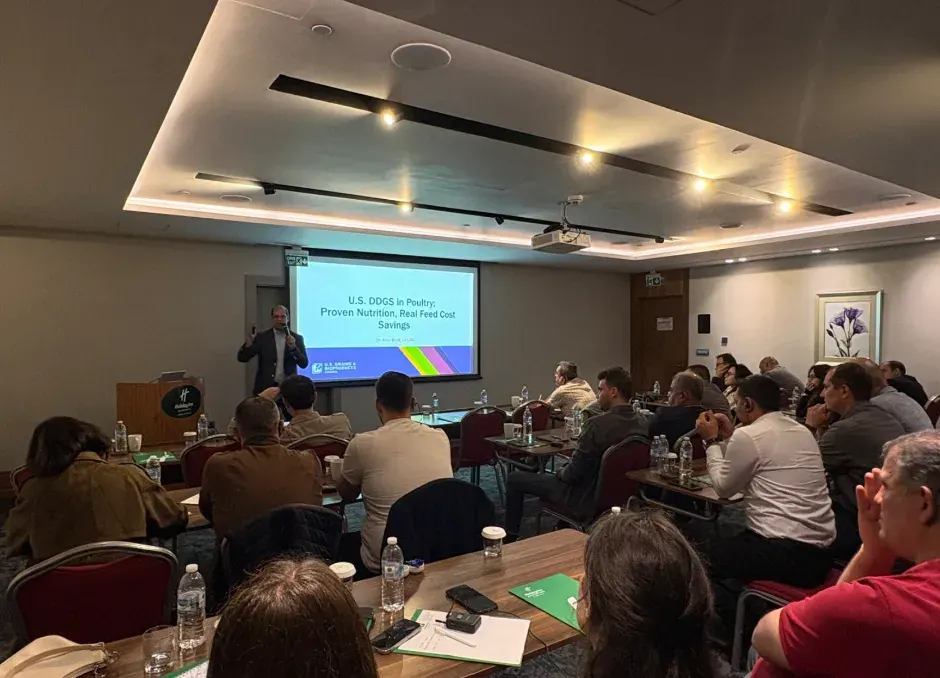
The U.S. Grains & BioProducts Council hosted three half-day seminars across Türkiye to address poultry and ruminant feed producer concerns over mycotoxins, antibiotic residues, and DDGS handling and storage, drawing 55 participants from 26 companies.
ECOWAS member states and partners reached consensus on 22 September 2026 to adopt a Regional Training Guide on Aflatoxin Control, developed under the World Bank-funded Food System Resilience Programme, aiming to harmonise prevention and monitoring of the toxic fungal contaminants across West Africa and the Sahel.
Nigeria's Ministry of Livestock Development is in discussions with UNIDO on technical cooperation to establish a digital livestock identification and traceability system, with potential applications in animal health monitoring, product certification, export market access and combating livestock theft.
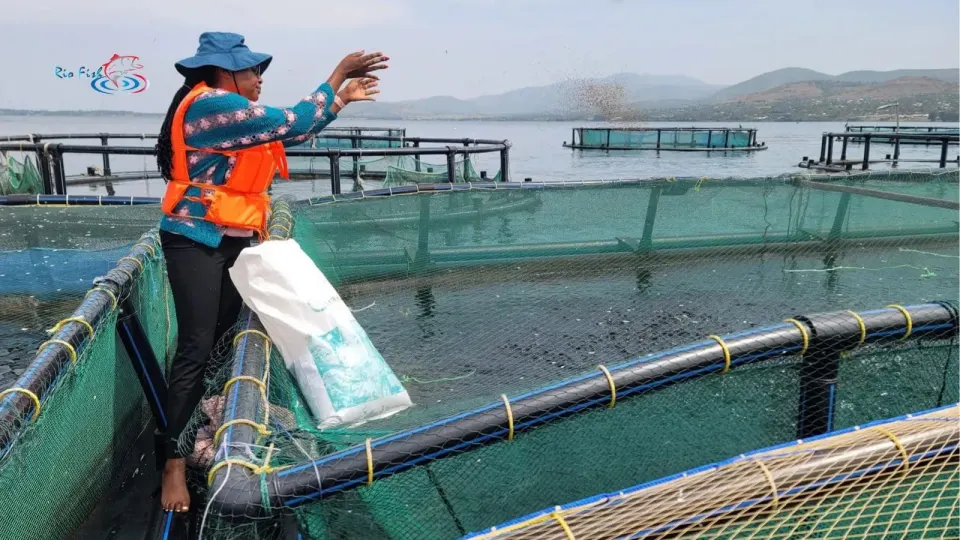
Ethical Seafood Research (ESR) has partnered with Kenyan tilapia producer Rio Fish on a 24-month collaboration to improve fish welfare standards, introduce welfare monitoring tools, develop better slaughter practices, and pursue Aquaculture Stewardship Council (ASC) certification — with the aim of extending those practices to Rio Fish's network of more than 1,500 farmers.
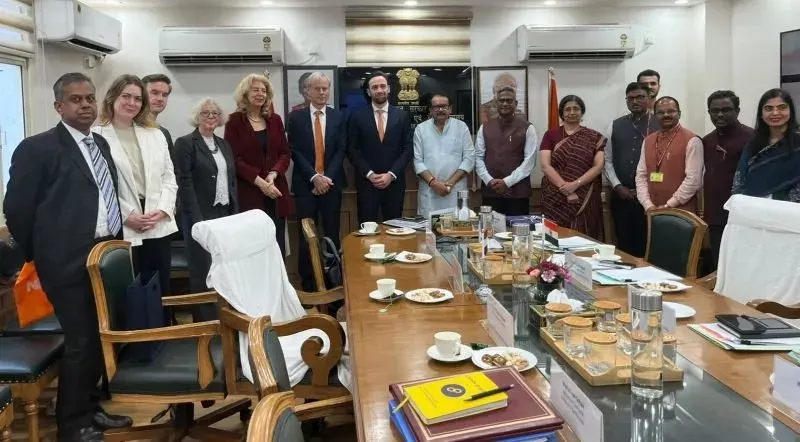
India and the Netherlands have agreed to set up an Indo-Dutch Centre of Excellence on Dairy Training at CEAH, Bengaluru, following a bilateral ministerial meeting that also covered animal nutrition, antimicrobial resistance, vocational training for farmers, and the exchange of a veterinary health certificate for live horse exports.
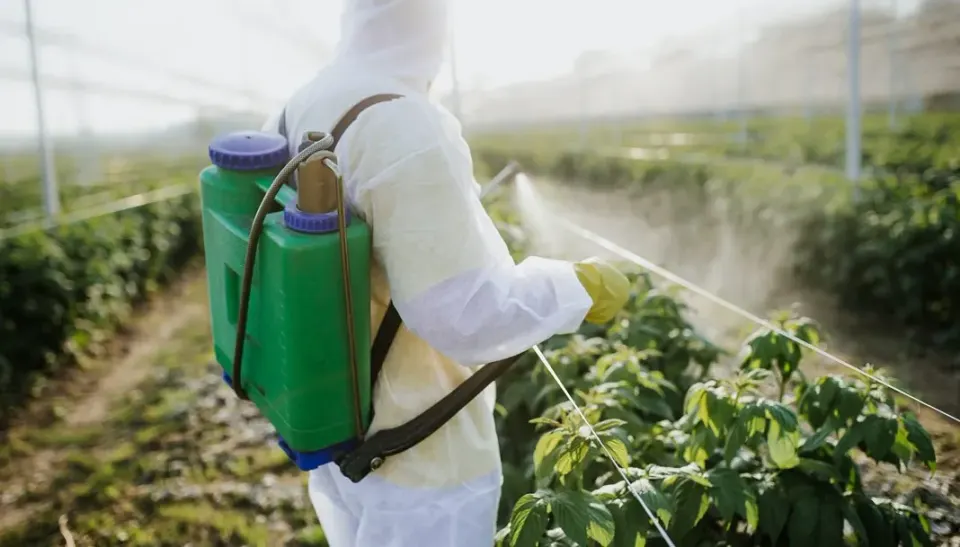
A European Commission proposal to lower maximum residue limits (MRLs) for pesticides not authorised in the EU could restrict market access for African agricultural exporters, including Kenya, South Africa, Egypt, Morocco and Uganda. A Joint Research Centre study published in August examined the potential economic impact across 235 commodities and 86 exporting countries. Kenya has raised the issue at the WTO, warning of shipment rejections and income losses for smallholder farmers. The proposal remains under consideration by the European Parliament and Council.
The second day of the Compound Livestock Feed Manufacturers Association (CLFMA) of India's 67th National Symposium in Mumbai brought together policymakers, industry leaders, scientists and farmers to address feed security, artificial intelligence, veterinary capacity and government-industry collaboration in India's animal-agriculture sector.
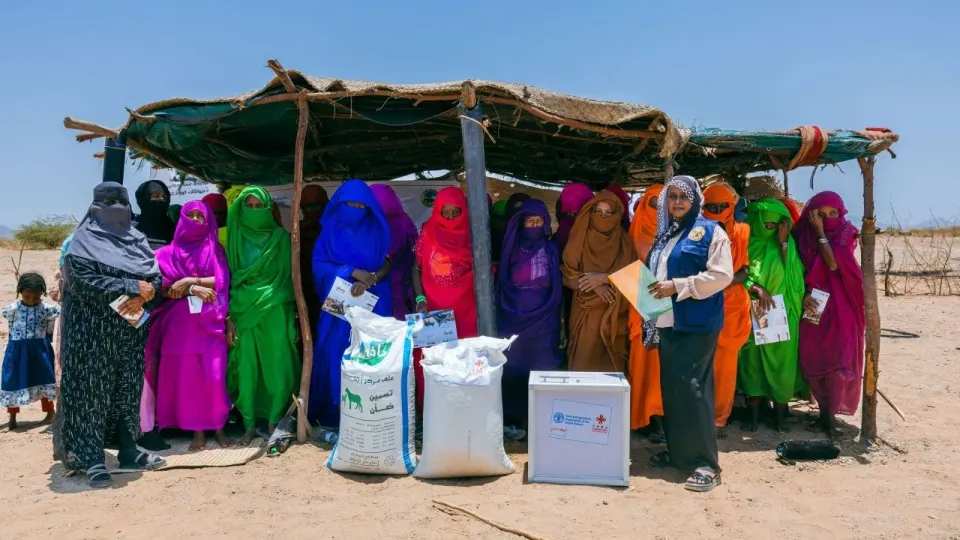
The UN Food and Agriculture Organization has distributed 100 tonnes of concentrated animal feed to 3,200 agropastoral households in Sudan's Red Sea State to protect livestock and sustain milk production amid drought-driven feed shortages, with the programme backed by US$2 million in emergency funding from the Government of China.
Côte d'Ivoire's poultry meat output has grown sixfold since 2010, reaching 139,000 tonnes in 2025 and driving rising demand for domestically produced maize and soybeans. Industry stakeholders meeting in Abidjan ahead of the Fieravicola 2027 trade fair called for stronger value-chain investment, improved animal health measures and technology partnerships with Italian companies to support further growth.
Kansas State University has officially opened the Western Star Global Grain and Food Center, a US$130 million, 178,000-square-foot facility that consolidates grain, milling, feed, pet food and food science programmes under one roof. The centre, the largest agricultural construction project in K-State's history, opened on 18 September 2026 and forms part of the university's broader US$216 million Agriculture Innovation Initiative.
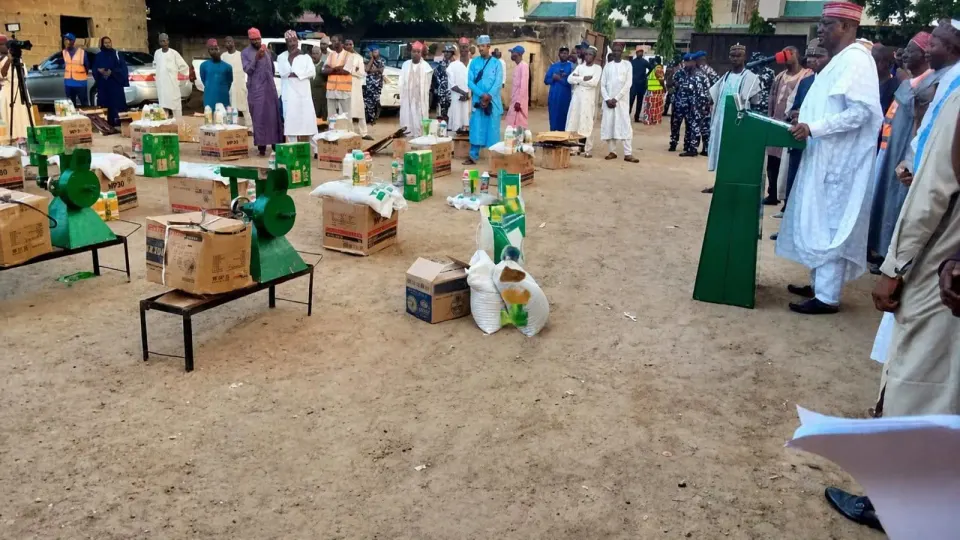
The World Bank-supported Livestock Productivity and Resilience Support Project (L-PRESS) has distributed feed-processing equipment and improved pasture seeds to more than 40 livestock unions and several farmer clusters in Zamfara State, Nigeria, aiming to improve feed access and boost livestock productivity.