Loading…
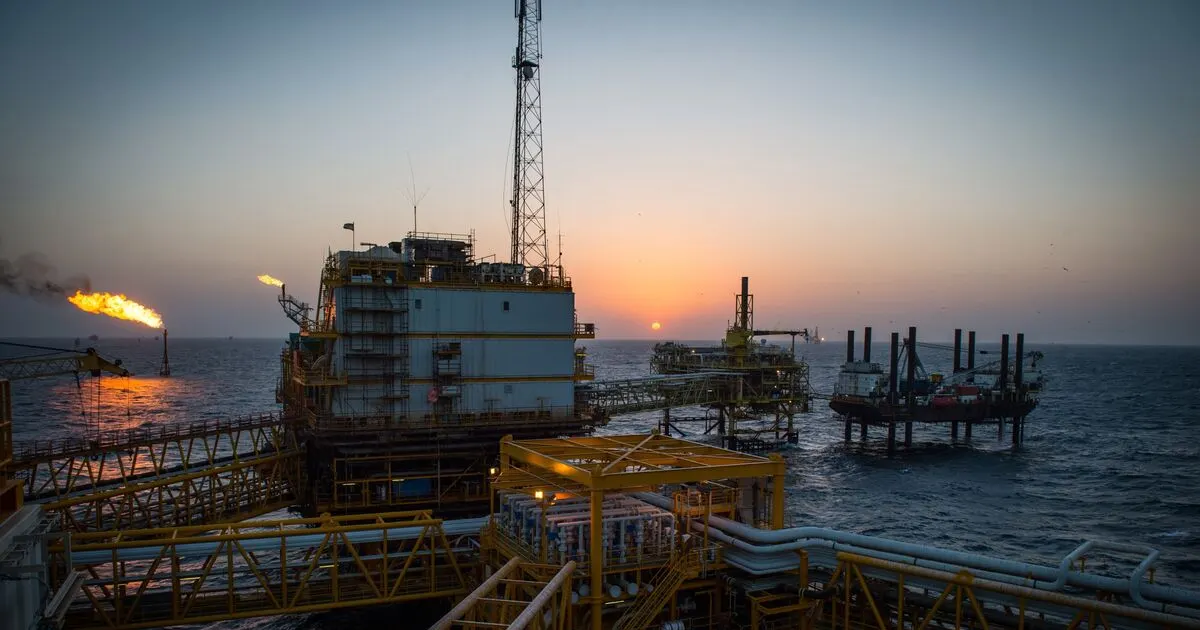
New York oil futures sank to their lowest levels in a year as oil demand in China, the world's largest importer, reportedly fell by about 3 million barrels a day. The drop was attributed to people with inside knowledge of the country's energy sector.
A roughly 3 million barrel per day demand loss is a large share of global consumption, which pressures crude and diesel prices lower. Weaker energy prices also reduce the cost advantage for biofuel feedstocks.
 bloomberg.comJackie DavalosFeb 3, 2020
After 32 past bearish disease events, Crude Oil (WTI) moved a median -5.2% over 5 sessions (13% higher; middle half -15.0% to -2.4%), and -5.7% over 20.
After 26 past bearish disease events, Crude Oil (Brent) moved a median -6.0% over 5 sessions (15% higher; middle half -13.3% to -2.0%), and -6.8% over 20.
Moves of each commodity's benchmark from the last close before the event. Historical reads pool past events of the same kind; they describe what happened, not what will. Not investment advice.
Reported ~3 mb/d drop in Chinese oil demand drove the Feb 3 slide to ~$50 WTI, a direct demand shock inside the window.
Same-day report of a reported ~3 mb/d fall in Chinese oil demand pushed futures sharply lower, a direct demand-shock mechanism.
