Loading…
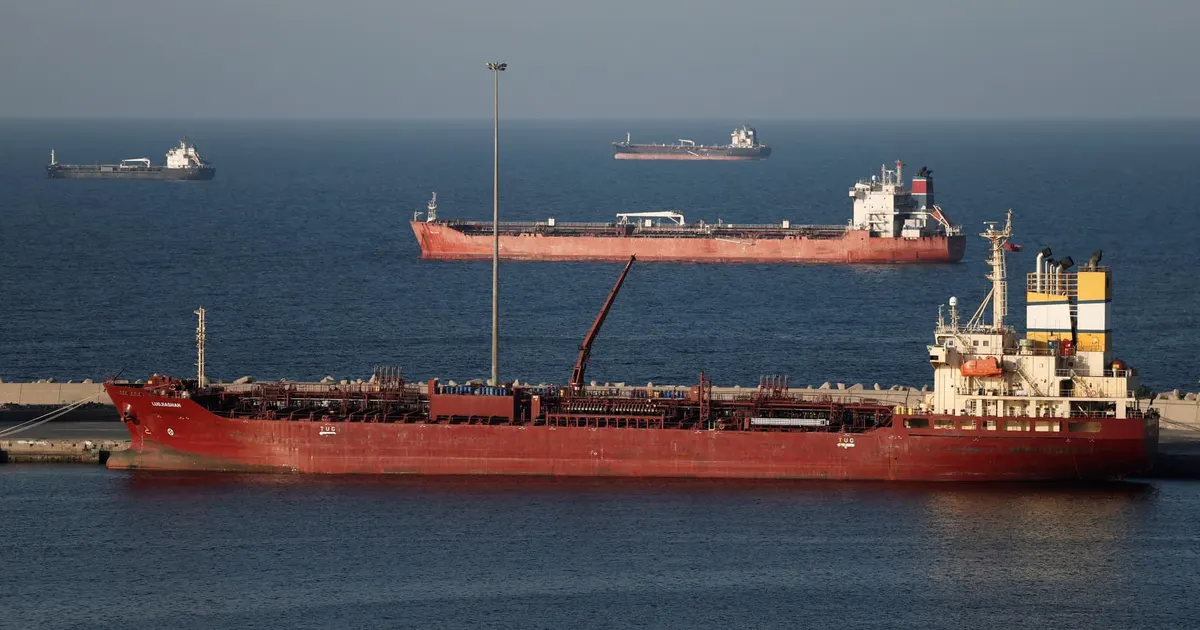
Oil prices fell on March 8 after Trump said the US was considering taking over the Strait of Hormuz and indicated the war would soon end. WTI traded down 6.19% to $85.27 after surging to $119.48 earlier, and Brent was 4.6% lower.
Trump also reportedly considered easing oil sanctions on Russia.
Prospects for a faster end to the conflict and possible Russian supply easing reduce the crude risk premium, lowering energy costs for feed producers. The earlier spike shows how sensitive prices are to Strait disruptions.
 cnbc.comSpencer KimballMar 8, 2026
After 255 past bearish geopolitics events, Crude Oil (WTI) moved a median -2.4% over 5 sessions (31% higher; middle half -7.0% to +1.7%), and -5.0% over 20.
After 250 past bearish geopolitics events, Crude Oil (Brent) moved a median -3.1% over 5 sessions (36% higher; middle half -7.9% to +1.6%), and -5.5% over 20.
Moves of each commodity's benchmark from the last close before the event. Historical reads pool past events of the same kind; they describe what happened, not what will. Not investment advice.
Trump's comments about taking over Hormuz and ending the war soon began the retreat from the spike highs, setting up the further drop.
WTI spiked to $119 intraday then reversed on Trump's comments, adding volatility to the window's ending level.
