Loading…
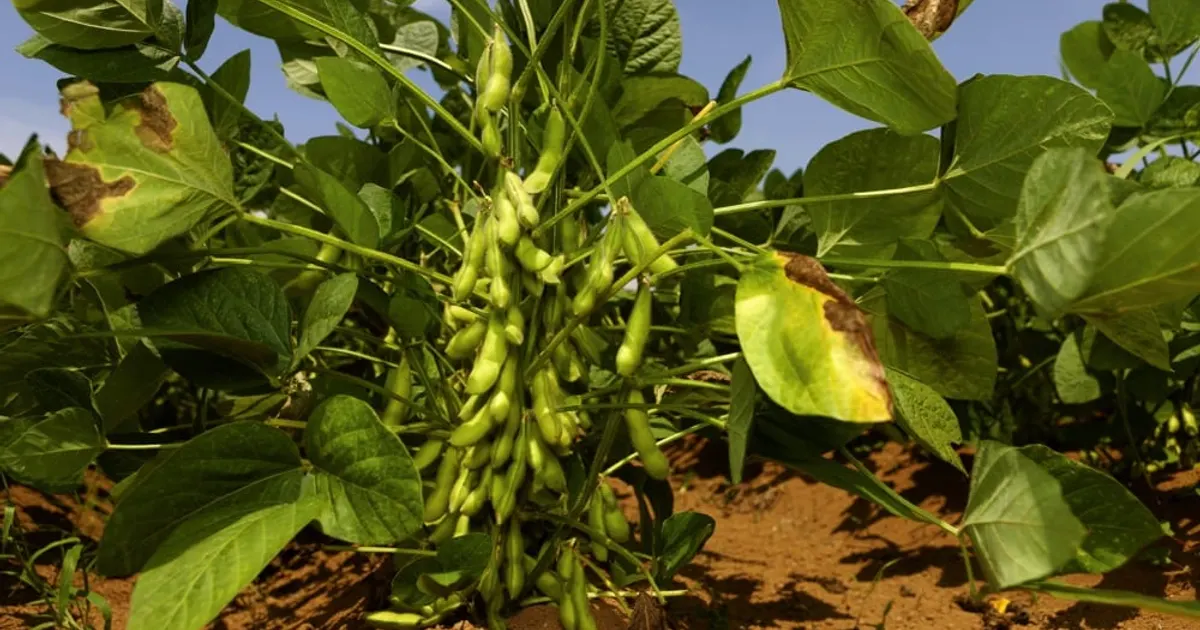
Vice Agriculture Minister Han Jun said China's imports of US agricultural products will fall sharply once retaliatory measures take effect, while domestic demand for cooking oil and animal feed will be covered. China has an annual soybean shortfall of 90 million tonnes, of which the US supplies a third, and it levied an extra 25% tariff on US beans from July 6.
Expected sharp drops in Chinese purchases of US farm goods and soymeal substitution from Brazil and other origins are bearish for US soybeans and soybean meal.
 grainews.caGFM Network NewsAug 10, 2018
After 803 past bearish trade events, Soybeans moved a median +0.0% over 5 sessions (51% higher; middle half -1.7% to +1.7%), and +0.9% over 20.
After 384 past bearish trade events, Soybean Meal moved a median -0.2% over 5 sessions (47% higher; middle half -1.7% to +1.6%), and -0.5% over 20.
After 480 past neutral trade events, Corn moved a median +0.2% over 5 sessions (54% higher; middle half -1.1% to +1.6%), and +0.7% over 20.
Moves of each commodity's benchmark from the last close before the event. Historical reads pool past events of the same kind; they describe what happened, not what will. Not investment advice.
