Loading…
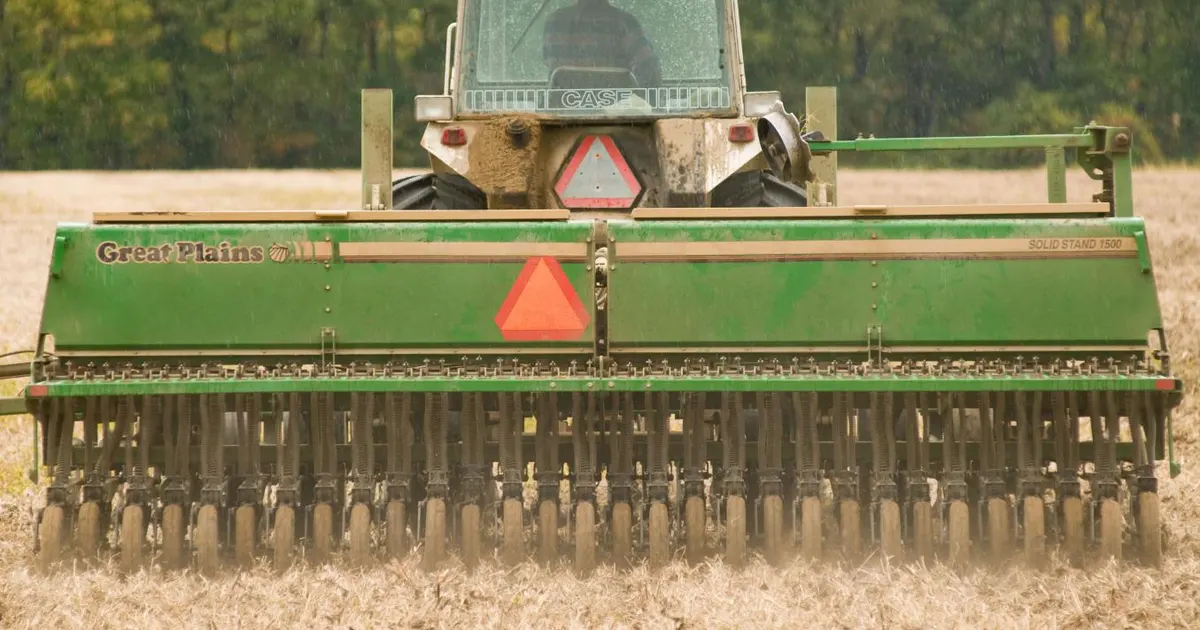
UMD and Cornell researchers found that specialization in rain-fed corn and soybeans has made US agricultural output more variable and climate-vulnerable, with the Midwest most at risk. The study combines weather data with state-level productivity measures from 1960 to 2004.
The research highlights structural drought exposure in Midwest feed grain production, a long-run supportive factor for corn and soybean prices with no immediate supply change.
 agnr.umd.eduSamantha WattersFeb 18, 2019
After 445 past neutral weather events, Corn moved a median +0.1% over 5 sessions (52% higher; middle half -1.4% to +1.6%), and +0.7% over 20.
After 324 past neutral weather events, Soybeans moved a median +0.0% over 5 sessions (52% higher; middle half -1.4% to +1.7%), and +0.7% over 20.
Moves of each commodity's benchmark from the last close before the event. Historical reads pool past events of the same kind; they describe what happened, not what will. Not investment advice.
