Loading…
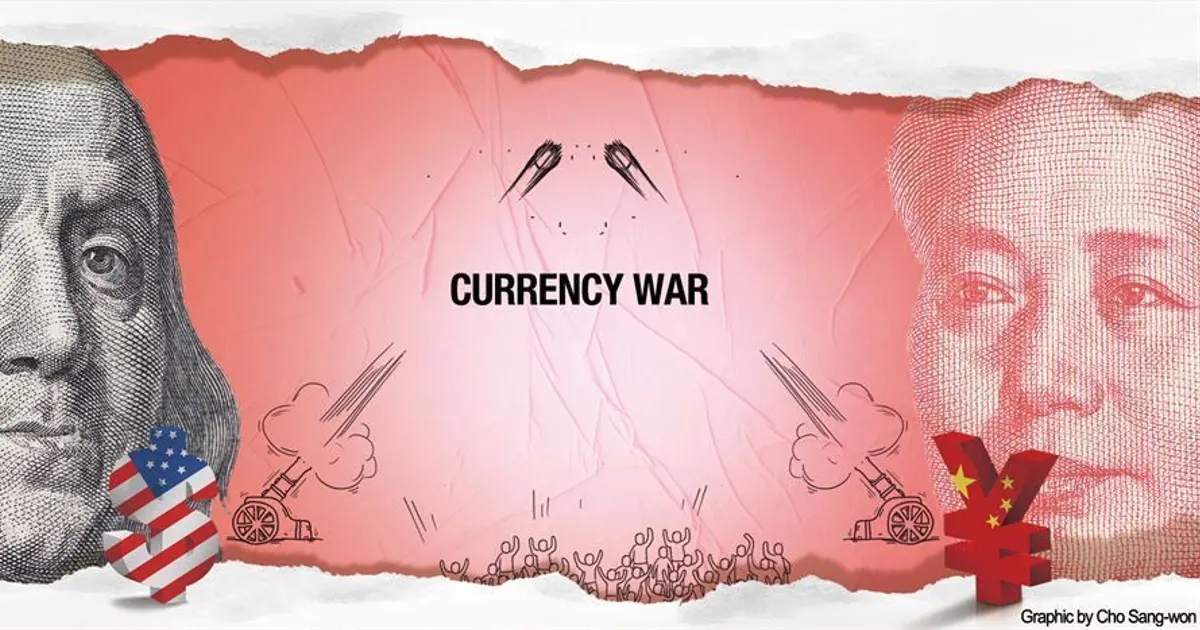
Korean economists said the country should prepare for the US-China trade dispute escalating into a currency war, as Beijing lets the yuan weaken against the dollar in response to US tariffs. The US Treasury kept China and Korea on its currency monitoring list in a May 29 report, and Commerce Secretary Ross said on May 23 that the US could countervail currency subsidies.
Possible currency retaliation would add volatility to Asian import currencies, which could change buying power for feed importers and the price of US grain and meal in local terms.
 koreatimes.co.krLee Kyung-minMay 29, 2019
After 14 past bullish geopolitics events, Chinese Yuan (CNY per USD) moved a median -0.0% over 5 sessions (36% higher; middle half -0.4% to +0.2%), and -0.5% over 20.
Not enough comparable past events yet for a historical read.
After 89 past bullish geopolitics events, US Dollar (Broad) moved a median +0.5% over 5 sessions (74% higher; middle half -0.0% to +1.0%), and +0.3% over 20.
Moves of each commodity's benchmark from the last close before the event. Historical reads pool past events of the same kind; they describe what happened, not what will. Not investment advice.
