Loading…
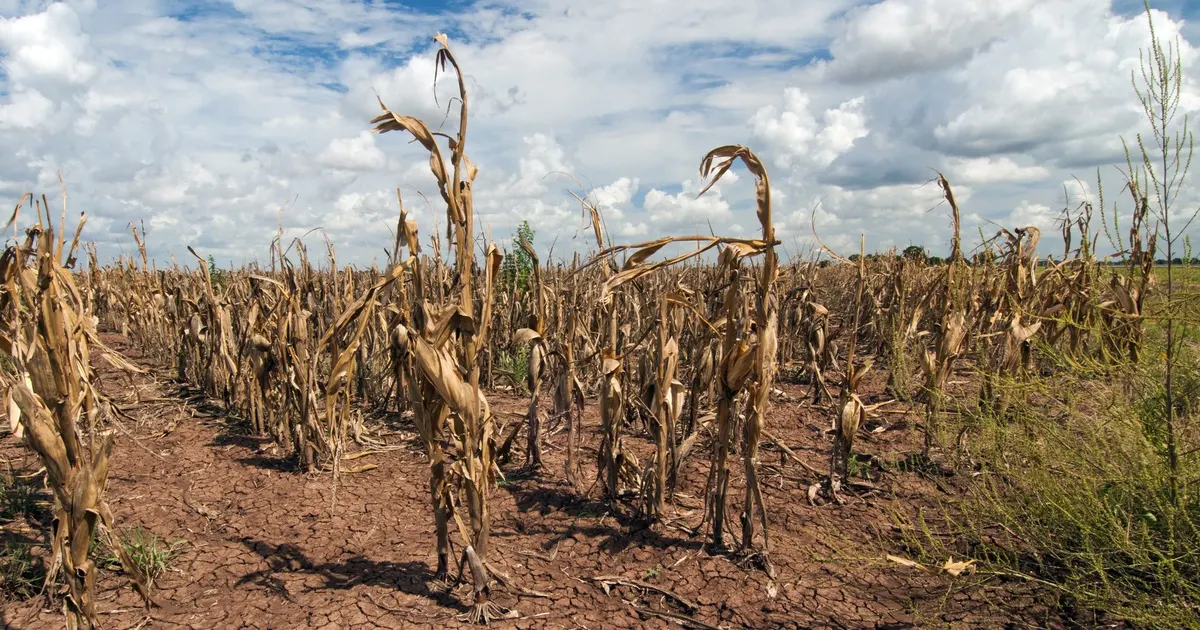
A University of Texas Institute for Geophysics study, published in the Journal of Climate, finds that El Niño events can persist into a second year when they start late in summer or fall. Long-running La Niña events are linked to intense preceding El Niños, and the study suggests they could be predicted up to two years ahead.
Better forecasts of long-lasting ENSO events could give feed buyers and growers earlier warning of drought in key producing regions. The research does not change current supply or prices on its own.
 ig.utexas.eduSep 4, 2019
After 2,467 past weather events, Corn moved a median +0.1% over 5 sessions (51% higher; middle half -1.5% to +1.7%), and +0.6% over 20.
After 1,964 past weather events, Soybeans moved a median +0.1% over 5 sessions (51% higher; middle half -1.7% to +1.8%), and +0.3% over 20.
After 1,773 past weather events, Wheat (SRW) moved a median +0.1% over 5 sessions (52% higher; middle half -1.5% to +2.1%), and +0.2% over 20.
After 361 past weather events, Palm Oil moved a median +0.0% over 5 sessions (51% higher; middle half -1.3% to +1.3%), and -0.2% over 20.
Moves of each commodity's benchmark from the last close before the event. Historical reads pool past events of the same kind; they describe what happened, not what will. Not investment advice.
