Loading…
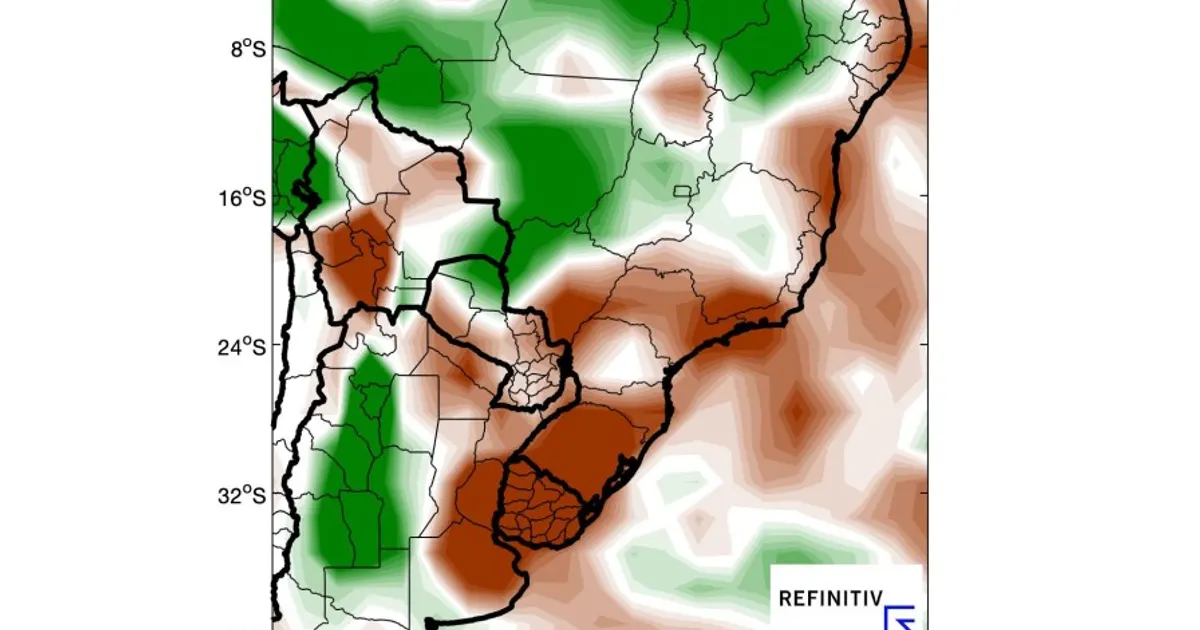
A late-September outlook note says Niño 3.4 temperatures have stayed near La Niña-like levels, with ENSO-neutral positive conditions expected for December to February. It flags a trend toward a favorable season for central-west Brazil and a warmer Black Sea region, and a possible cold winter in North America.
Favorable rain in central-west Brazil would support the coming soybean and corn planting, which can ease export supply concerns. A cold North American winter would add to demand for feed energy, but the signal is still early and uncertain.
 linkedin.comSep 27, 2019
After 2,467 past weather events, Corn moved a median +0.1% over 5 sessions (51% higher; middle half -1.5% to +1.7%), and +0.6% over 20.
After 1,964 past weather events, Soybeans moved a median +0.1% over 5 sessions (51% higher; middle half -1.7% to +1.8%), and +0.3% over 20.
After 1,773 past weather events, Wheat (SRW) moved a median +0.1% over 5 sessions (52% higher; middle half -1.5% to +2.1%), and +0.2% over 20.
After 361 past weather events, Palm Oil moved a median +0.0% over 5 sessions (51% higher; middle half -1.3% to +1.3%), and -0.2% over 20.
Moves of each commodity's benchmark from the last close before the event. Historical reads pool past events of the same kind; they describe what happened, not what will. Not investment advice.
