Loading…
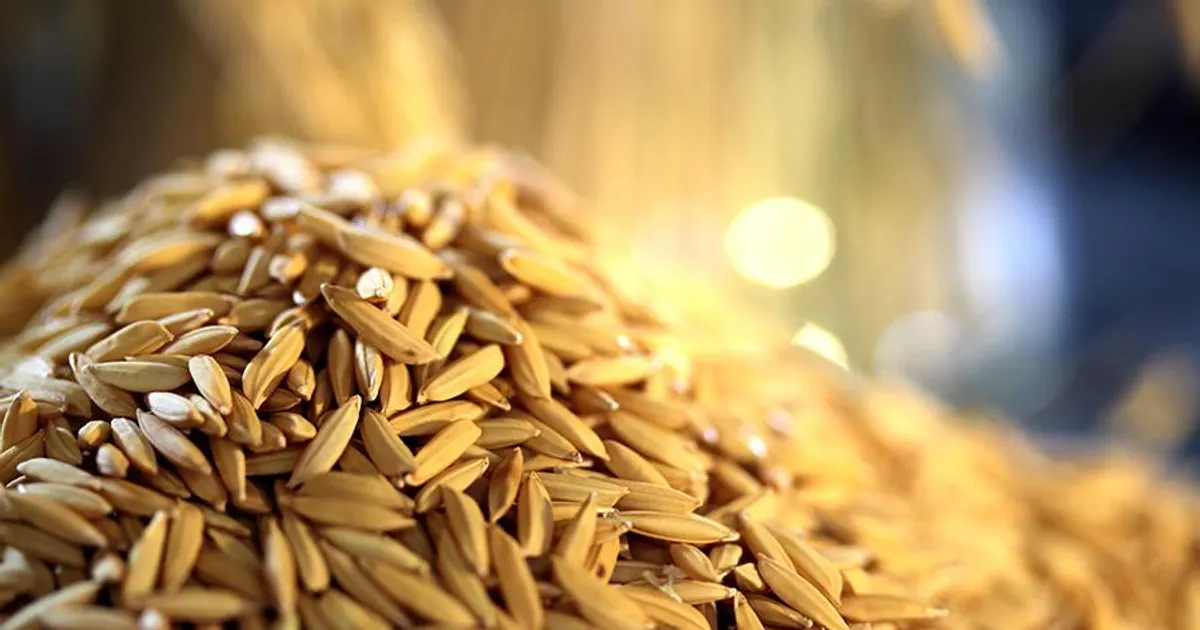
Latin American researchers used big data from 50 municipalities in Rondônia, Mato Grosso, Goiás and Tocantins to study how El Niño and La Niña affect rainfall and grain production. The team produced a revised planting calendar to reduce water-stress losses.
The work covers areas that account for 39% of Brazil's grain output.
The study is a research tool for planting-date decisions and has no immediate effect on supply or prices. Over time, better planting timing could reduce weather-related yield volatility in Brazilian grain.
 revistacultivar.comOct 20, 2020
After 1,964 past weather events, Soybeans moved a median +0.1% over 5 sessions (51% higher; middle half -1.7% to +1.8%), and +0.3% over 20.
After 2,467 past weather events, Corn moved a median +0.1% over 5 sessions (51% higher; middle half -1.5% to +1.7%), and +0.6% over 20.
After 639 past weather events, Soybean Meal moved a median +0.0% over 5 sessions (51% higher; middle half -1.9% to +2.3%), and -0.0% over 20.
Moves of each commodity's benchmark from the last close before the event. Historical reads pool past events of the same kind; they describe what happened, not what will. Not investment advice.
